 Civilnet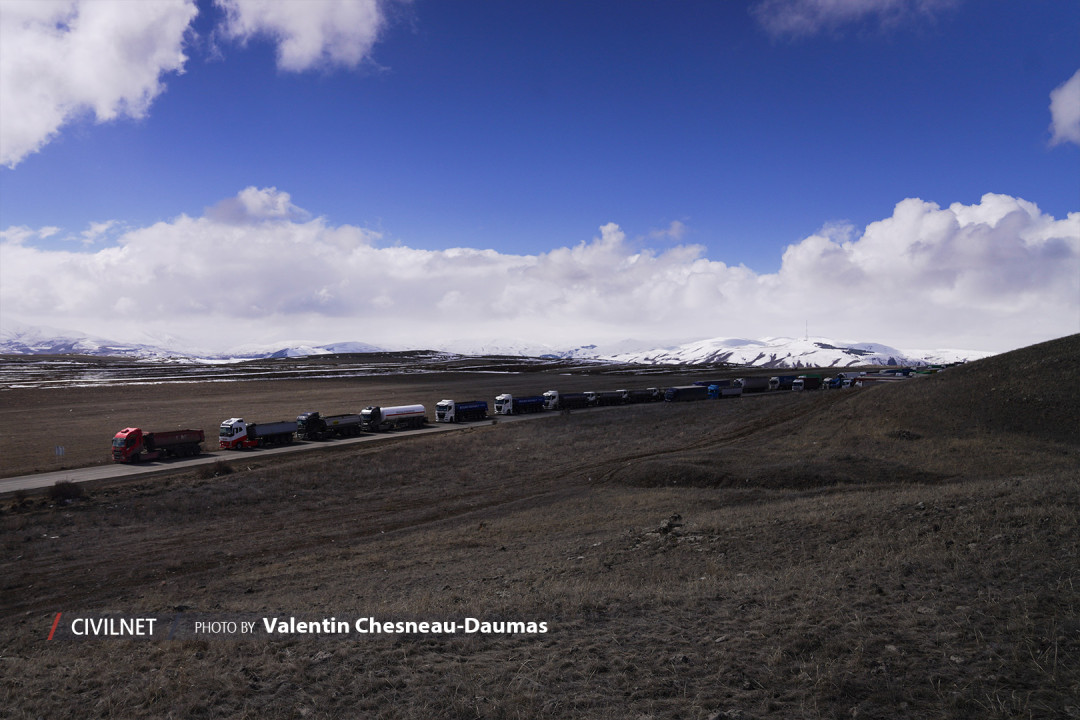
By Arshaluis Mgdesyan
War in Iran could raise prices, increase transport costs and disrupt supply chains in Armenia, while also creating limited economic opportunities if capital and labor shift toward relatively stable countries in the region. The Central Bank of Armenia told CivilNet that inflationary pressure could reach up to 0.5%, while risks to financial stability remain limited for now.
The comments came as Iran’s ambassador to Armenia Khalil Shirgholami, said on Monday that economic cooperation between Armenia and Iran continues despite the conflict.
Also read: Iran ambassador says trade with Armenia continues despite war
“Fortunately, economic cooperation continues. Our border remains open for both passenger and cargo movement,” Shirgholami said, adding that bilateral economic ties remain active and dynamic and that both governments are working to shield trade projects from the conflict.
The statements follow military strikes launched by Israel and the United States against Iran on Feb. 28, which have raised concerns in Armenia over trade routes, imports, and broader regional uncertainty.
Iran is one of Armenia’s growing trade partners. Bilateral trade reached more than $768 million in 2025, up 4.2% from a year earlier, while Iran’s share in Armenia’s foreign trade rose to 3.6% from 2.4%.
The Central Bank said Armenia’s exposure extends beyond direct trade, with up to 25% of foreign trade passing through Iranian territory.
Although Armenia’s customs authority has reported lower cargo volumes from Iran, the bank said no major disruption has yet been recorded in bilateral trade or logistics.
However the Central Bank warned that should the conflict deepen, transportation costs may rise, and import and export expenses may increase.
Also read: Iran war creates economic risks for Armenia
Parts of Armenia’s logistics chain are already under pressure. Freight operators told CivilNet that ships carrying Armenian cargo arriving at Bandar Abbas Port after the outbreak of hostilities remain unloaded, while some vessels have been unable to dock.
Armenia imports far more from Iran than it exports, with a trade deficit approaching $600 million. Key imports include natural gas, steel products, fuel, cement, and food.
The bank said the main inflationary impact would come through global oil prices. Although Armenia’s direct dependence on Iranian fuel is limited, higher crude prices could still push domestic prices upward.
It also warned that prolonged escalation could disrupt regional trade chains more broadly.
At the same time, the bank said previous regional crises suggest Armenia could see inflows of capital and labor that may support domestic economic activity.
The bank said it is monitoring multiple scenarios and stands ready to use monetary tools if price pressures become sustained. A fuller assessment is expected at its refinancing rate meeting on March 17.




 Stories