 Paul Vartan Sookiasian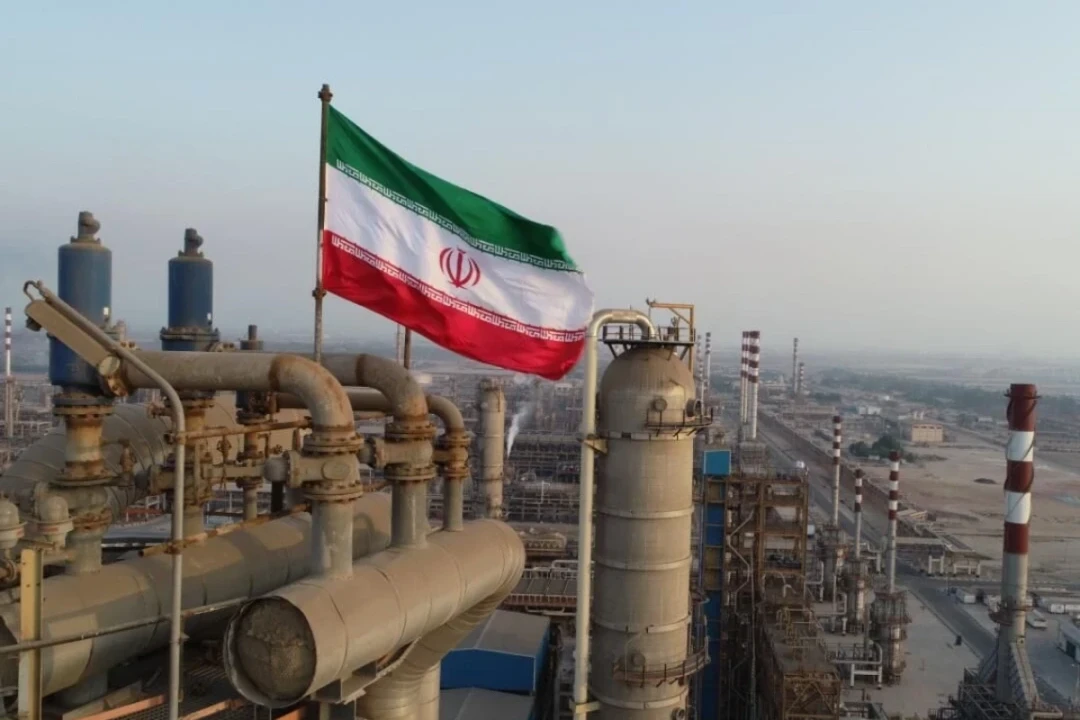
Iran has proposed a new framework to increase natural gas exports to Armenia as the two countries move to expand cooperation in energy, transportation, and infrastructure.
The proposal was presented during a meeting in Tehran between Iran’s Minister of Petroleum Mohsen Paknejad and Armenia’s Minister of Territorial Administration and Infrastructure Davit Khudatyan, who visited Iran over the weekend.
The two sides agreed to establish a joint specialized working group that will study new areas of energy cooperation in order to develop joint initiatives. Paknejad said the group should begin work as soon as possible so that concrete results can be assessed during future negotiations.
According to Iran’s petroleum minister, the proposed commercial framework would expand the volume of natural gas supplied to Armenia.
Khudatyan’s discussions in Tehran also focused on transportation and infrastructure projects, including progress on the Kajaran–Agarak road project, which connects southern Armenia to the Iranian border and includes a 4.5-mile-long tunnel designed to reduce travel times and improve transportation links between the two countries.
The sides further addressed a proposal to build a second bridge over the Araks River, which separates Armenia and Iran. Officials said the project would increase transportation capacity, facilitate greater cargo movement, and support economic cooperation.
Iranian gas remains constrained despite expansion plans
Iran and Armenia have been connected by the Iran-Armenia gas pipeline since 2007. The pipeline was built to diversify Armenia's gas supplies, but its role has remained limited. It is operated by Gazprom Armenia, the Russian-controlled monopoly that owns and manages Armenia's gas transmission and distribution network. Most Iranian gas enters Armenia under the long-standing "gas-for-electricity" swap arrangement, whereby Armenia generates electricity using Iranian gas and exports power back to Iran.
Although Iranian officials have now proposed increasing gas exports, any significant expansion would face technical and contractual constraints. Iranian gas currently accounts for only about 13% of Armenia's imports, with volumes largely limited by the capacity of the Iran-Armenia pipeline.
Energy economist Astghine Pasoyan told CivilNet that the pipeline's restricted diameter reflected political pressure during its construction to prevent Iranian gas from playing a larger role in Armenia's market. She also noted that Armenia's long-term gas supply contract with Russia links preferential pricing to minimum purchase volumes, meaning a substantial reduction in Russian imports could trigger higher prices.
Pasoyan added that while Iran holds some of the world's largest natural gas reserves, inefficiencies in its domestic gas sector and rising internal demand limit its export potential.




 Stories