By Lia Avagyan
Armenia aims to secure a “Yerevan agreement” at this month’s U.N. biodiversity summit to guide efforts to meet global conservation targets by 2030, Environment Minister Hambardzum Matevosyan said.
In a television interview broadcast on October 2, Matevosyan said reaching agreement on how to address gaps in implementing those targets would be a key measure of the summit’s success.
“We plan to name the document after Yerevan, for example, the Yerevan agreement,” he said.
The proposed document would emerge from a global review of progress under the Kunming–Montreal Global Biodiversity Framework. Adopted in 2022, the framework sets 23 targets for 2030. COP17 will mark the first time countries collectively assess progress toward those targets, according to the conference’s official website.
The review is intended to identify shortcomings and guide action over the remaining four years. Matevosyan said national reports would inform the discussions, with countries negotiating recommendations on where further attention and action are needed.
The proposed agreement’s name and adoption remain subject to negotiations.
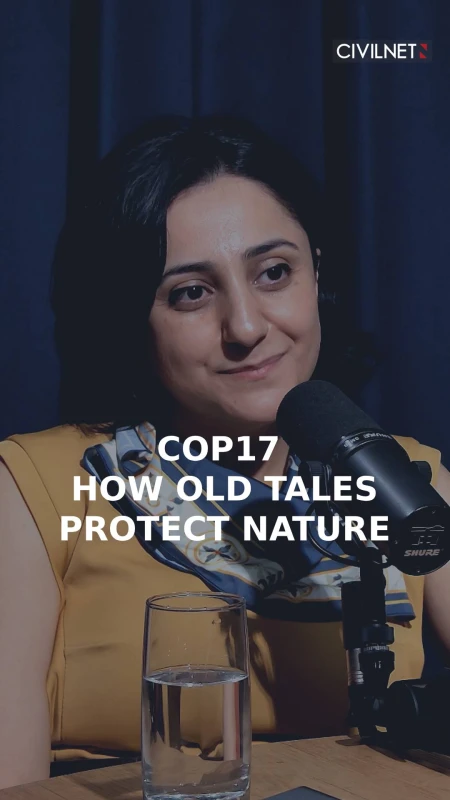
The COP17 conference, scheduled for October 19–30 in Yerevan, brings together governments, international organizations, scientists, civil society, Indigenous Peoples, youth and businesses. Unlike the U.N. climate conferences, the gathering focuses on biodiversity.
Armenia will also hold the conference presidency until October 2028, giving the country a role in following up on decisions after delegates leave Yerevan.
“We will not only host, but also preside over this entire process,” Matevosyan said.
He said Armenia would act as a neutral moderator while seeking fuller discussions of issues important to the country. These include the mechanisms and scale of funding available to developing countries, as well as the protection of mountain ecosystems.
Armenia also wants countries to discuss alternative approaches to conserving natural areas. Matevosyan pointed to domestic legislation allowing the creation of community protected areas in cooperation with local authorities.
The minister said the summit offered opportunities to strengthen bilateral relations and seek new financing, alongside the economic activity generated by thousands of visitors.
More than 12,000 participants had registered, he said. Delegations were expected from all 196 parties to the Convention on Biological Diversity, while some heads of state and leaders of major international organizations had confirmed their participation in a preceding leaders’ summit.
That gathering is scheduled for October 15–16 and is expected to conclude with a declaration. Matevosyan said the COP17 opening ceremony would take place on October 18, followed by negotiations from October 19. Ministers would join the final negotiating phase on October 27–28.
Yerevan will also host meetings of the parties to the Cartagena Protocol on Biosafety and the Nagoya Protocol, which addresses access to genetic resources and the sharing of benefits from their use.
Official negotiations will take place at Yerevan’s Meridian Expo Center. A separate public space at the Karen Demirchyan Sports and Concert Complex will open on October 19, offering exhibitions and discussions involving civil society, businesses and Armenia’s regions.
Matevosyan said preparations met the requirements set by the U.N. secretariat, though increased congestion in Yerevan would be unavoidable.



 Stories