 Civilnet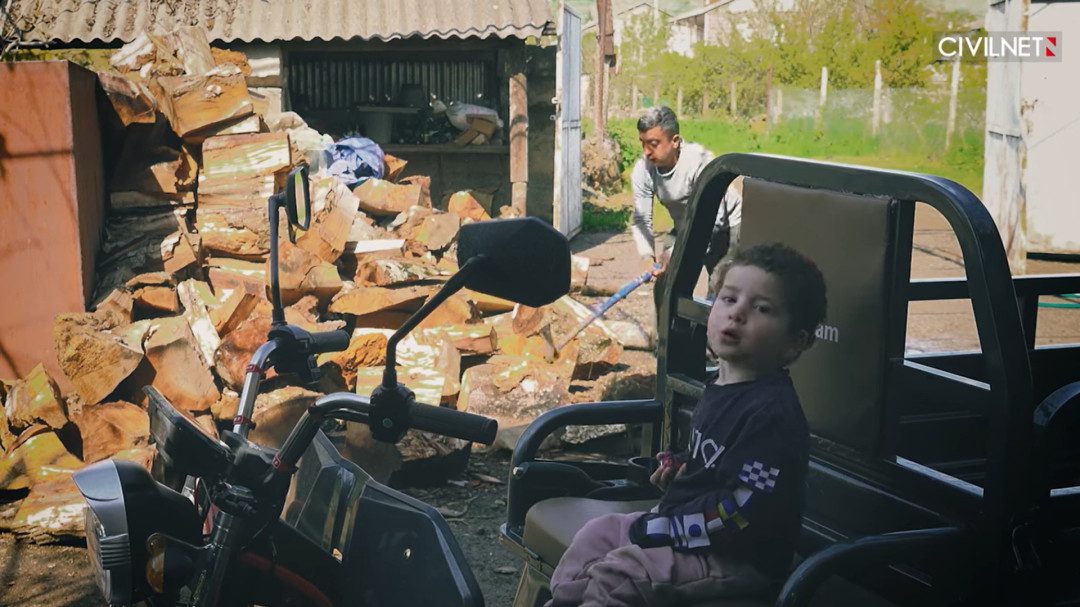
By Siranush Adamyan
In the shadows of Armenia's northern mountains, a new chapter unfolds for seven families who lost everything. After Azerbaijan's September 2023 offensive forced the entire Armenian population from Artsakh, these resilient families found an unexpected home in Berdavan, a small border village in Tavush province. While they've adapted to their new community with remarkable courage, one challenge remains persistent: finding stable employment.
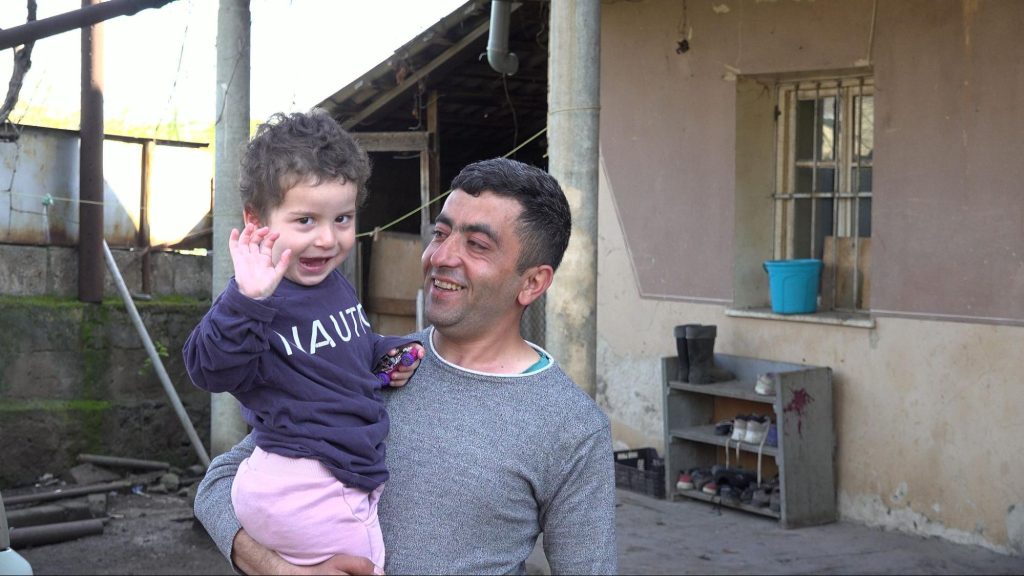
The seven-member Hayrapetyan family will soon move into their new home in Berdavan, purchased through the government's housing program for displaced Artsakh residents. Sasun Hayrapetyan, formerly a military serviceman in Artsakh, now picks up whatever temporary work he can find.
"I work in agriculture, cutting hay, chopping wood, or construction—whatever's available at the moment. Once we settle into our new home, I plan to find permanent work. I'm also ready to continue my military service if possible," says Sasun.
Armenia's government introduced a housing program for displaced Artsakh residents in 2024, but both the number of beneficiaries and the per-person allowance are insufficient to purchase adequate housing, especially for smaller families.
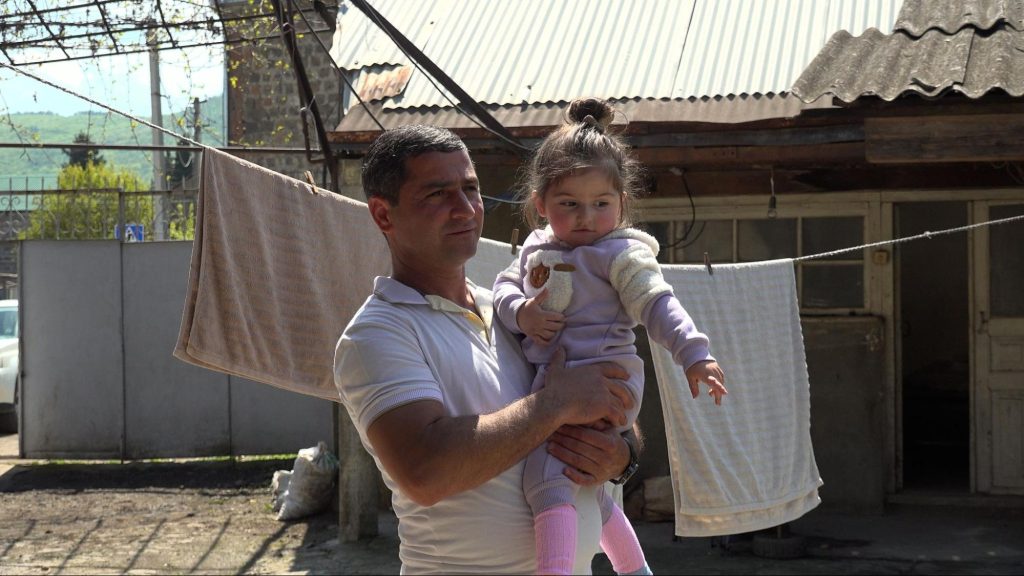
Eduard Tumanyan, also a former army serviceman from Artsakh, has settled in Berdavan with his family of six. While they've adapted well to village life, stable employment remains elusive. Eduard works as a craftsman when orders come in and occasionally finds construction jobs, but nothing permanent.
The employment situation is even more challenging for women. Lilya Sargsyan, who worked as an English teacher in Artsakh, has applied to schools in Berdavan and neighboring communities without success.
"There are no openings in our school or nearby schools. I've applied to the regional center in Ijevan, contacted the provincial governor, approached our school and the principal, but there are still no positions available," says Lilya, adding that if she found work locally, she wouldn't want to leave the village.
Vigen Asryan and his wife have managed to secure employment—Vigen teaches in the neighboring village of Zorakan, while his wife works in Berdavan—but adjusting to life without Artsakh remains difficult."How can you leave behind the graves of your loved ones? It's impossible, simply impossible. Sometimes I can't sleep at night and get up to smoke," Vigen confides.
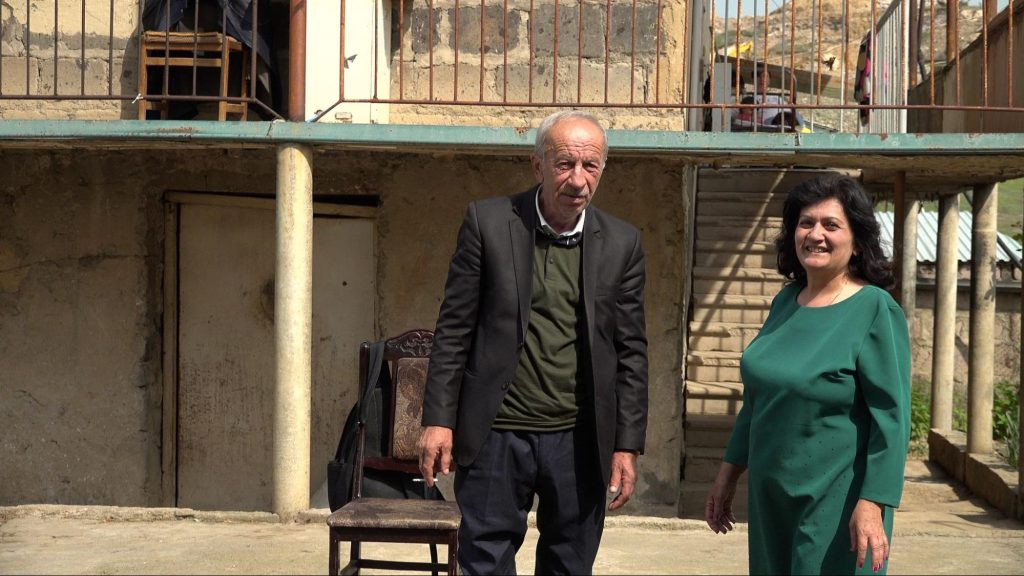
All the Artsakh families in the village know each other and visit frequently. They've also established good relationships with the local residents.
"They're wonderful people—friendly, hospitable, and welcoming. We've had no problems integrating with the community. From day one, we've felt like we're in our own village," says Sasun.
After being displaced from Artsakh, these families were offered several relocation options at the Vayq registration point—Chambarak, Vardenis, Gyumri, or the Noyemberyan region. They chose Tavush province, finding that Berdavan reminds them of their villages in Artsakh."I've said it's just like the climate in our Karabakh, which is why we don't want to leave this area. It reminds us of home," Lilya explains.
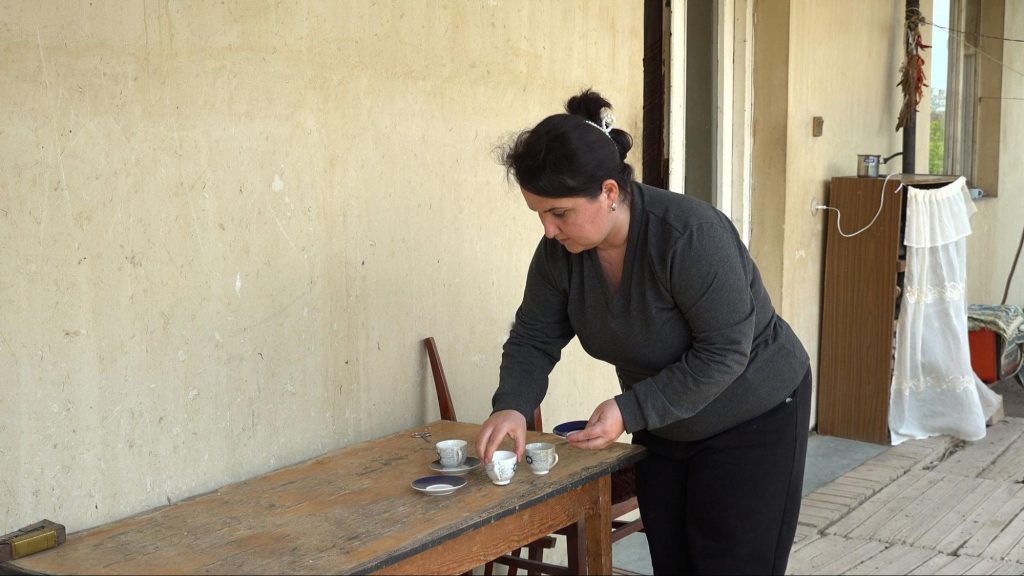
The Artsakh families settled in Berdavan wish to remain there, but without permanent employment, some may eventually move to neighboring or other settlements. They remain hopeful they'll find work, and living in a border region has never worried them.
"We can't say 'this is a border village' and leave for somewhere else. We need to start rebuilding our lives here, developing the community, and be ready to defend it the same way we did before," Sasun says with determination.

 Stories