Civilnet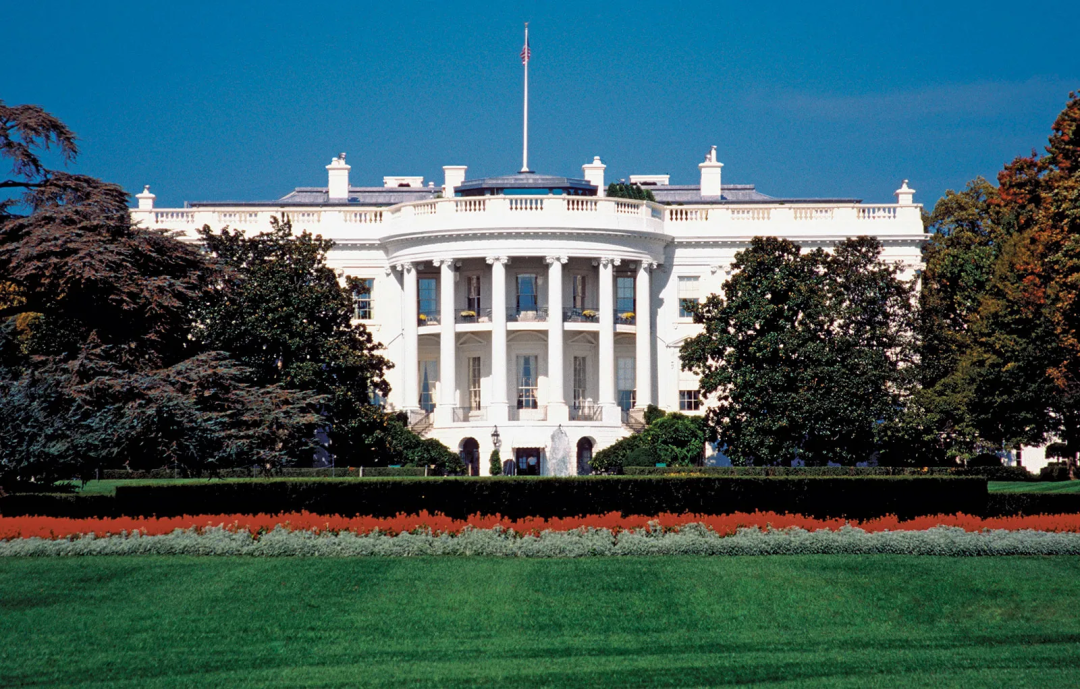
By Elen Muradyan
Armenian Prime Minister Nikol Pashinyan and Azerbaijani President Ilham Aliyev are expected to sign a joint letter withdrawing their countries from the OSCE Minsk Group during a high-level summit in Washington on Friday, according to multiple sources cited by Washington-based Azerbaijani journalist Alex Raufoglu.
The move would mark the formal end of the OSCE Minsk Group mediation format, established in 1992 and since 1997 co-chaired by Russia, France, and the United States, which has been widely viewed as ineffective in resolving the Nagorno-Karabakh conflict.
https://twitter.com/ralakbar/status/1953395836273975499Raufoglu, who was first to report on the planned August 8 Trump-brokered meeting on Monday, said the leaders will also sign a Joint Declaration aimed at creating an “irreversible pathway to peace” and initial a bilateral peace agreement that has been under negotiation for the past several months.
The summit, expected to take place at the White House, will be hosted by U.S. President Donald Trump and include bilateral memoranda of understanding between the U.S. and both nations.
While the Minsk Group was long considered the primary diplomatic track for resolving the conflict, it has been inactive since the 2020 war and further sidelined after Russia’s invasion of Ukraine.
‘Trump Route for International Peace’
The upcoming declaration is expected to also reference the long-disputed Syunik corridor, a proposed transit route across southern Armenia linking mainland Azerbaijan to its Nakhichevan exclave. While Pashinyan has rejected the idea of ceding or leasing Armenian land, he has indicated openness to a Western-managed infrastructure solution under Armenian sovereignty.
According to Raufoglu, the initiative—formally titled the Trump Route for International Peace and Prosperity (TRIPP)—is a master development and joint venture agreement between the United States and the Republic of Armenia. The TRIPP would provide unimpeded commercial access for Azerbaijan from its mainland to Nakhichevan, while maintaining Armenia’s legal control over the territory.
Raufoglu emphasized that the TRIPP is framed as a commercial rather than military or security project. While the U.S. will not deploy troops, it would assume responsibility for the safe operation of the route through commercial agreements with "top-class operators."
According to Raufoglu, the use of the name TRIPP is intended to move away from the politically charged “corridor” terminology often associated with Russian influence and to promote the project as a regional trade initiative. U.S. officials view the plan as an opportunity to transform the broader “Middle Corridor” linking Asia to Europe through improved transport of goods, energy, and data.
Despite speculation, according to Raufoglu, no full peace treaty is expected to be signed during the Washington meeting.
Should the joint declaration be signed, it would mark the most visible U.S. effort yet to facilitate normalization between the two countries, amid increasing Western interest in the South Caucasus following Russia’s waning regional influence.




 Stories