 Civilnet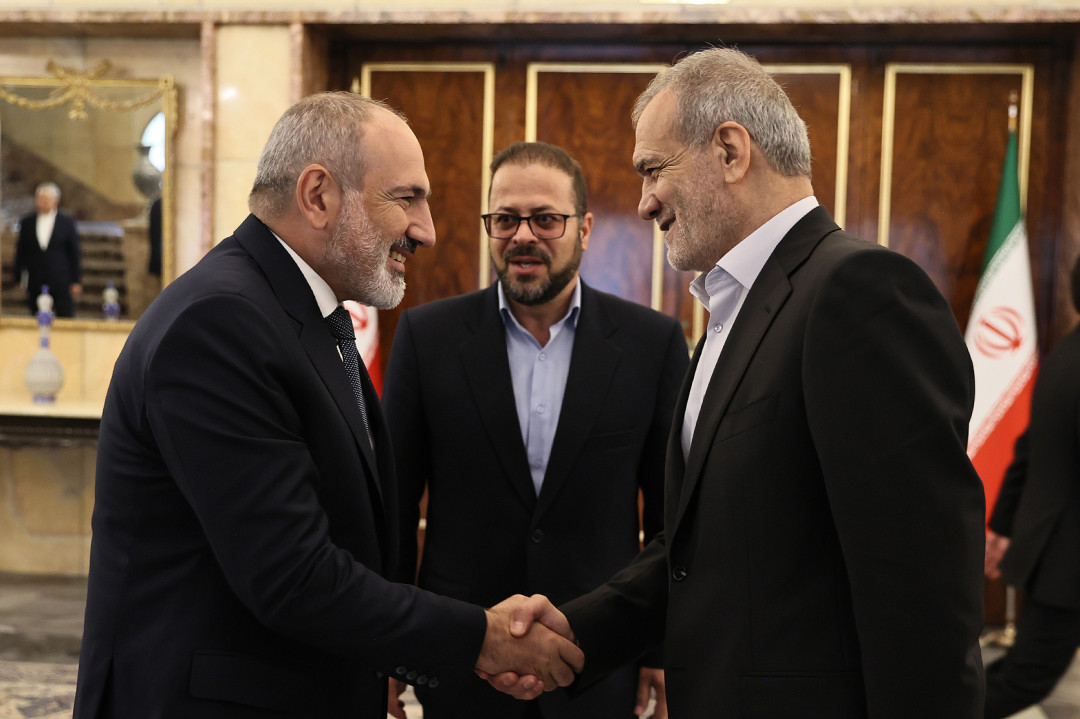
By Alexander Pracht
Last Friday, Armenian Prime Minister Nikol Pashinyan and U.S. President Donald Trump signed an agreement in Washington granting Azerbaijan a long-sought overland connection between its mainland and the Nakhichevan exclave via Armenia’s southern Syunik region. The route, officially named the Trump Route for Peace and Prosperity, will be operated by U.S. private contractors as a neutral party, ensuring uninterrupted Azerbaijani transit while preserving Armenia’s territorial integrity. Yerevan will receive revenue from the road’s operation and avoid the risk of Baku attempting to seize a corridor by force, while Washington strengthens its foothold in the South Caucasus at Russia’s expense.
The arrangement satisfies both Armenia and Azerbaijan, but leaves one regional player, Iran, potentially worse off. Tehran values its short border with Armenia as a critical link to Russia and onward to Europe via the Black Sea, given that Azerbaijan’s land borders have been closed for more than five years. The new road will run along this frontier, raising concerns in Iran about its future access and influence in the region. However, Armenia’s swift diplomatic outreach following the deal appears to have eased some of those fears.
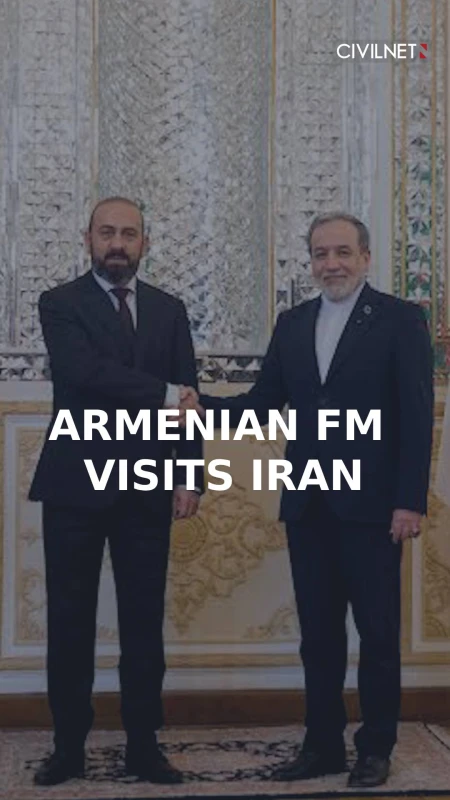
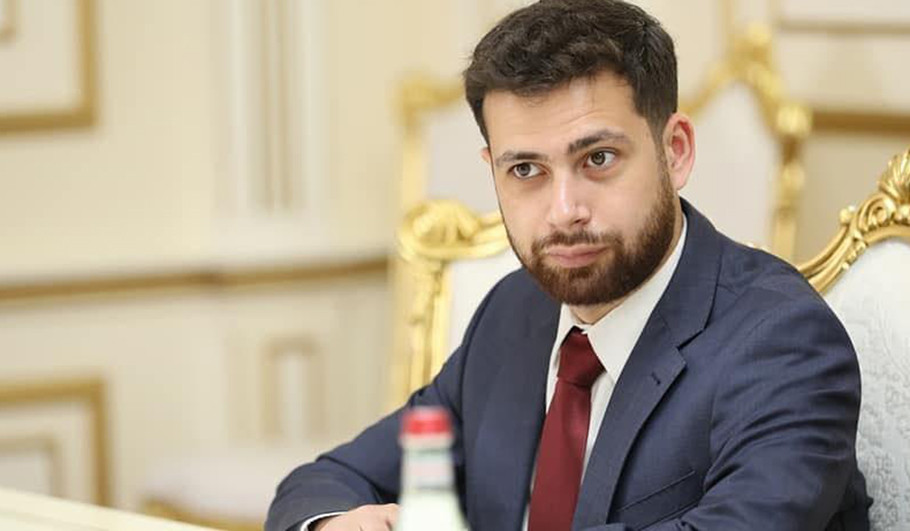
On Tuesday, Armenia dispatched Deputy Foreign Minister Vahan Kostanyan to Tehran, apparently to convey Yerevan’s position on the ‘Trump Route’ and defuse any potential tension. The effort appeared to pay off: the very next day, Iranian Foreign Minister Abbas Araghchi told the IRNA news agency that Tehran was satisfied with the assurances it had received.
“The joint statement signed by Armenia and Azerbaijan in the presence of the U.S. president affirms that the region’s borders remain unchanged, and the independence and territorial integrity of all countries are respected, and that is exactly our position,” he said.
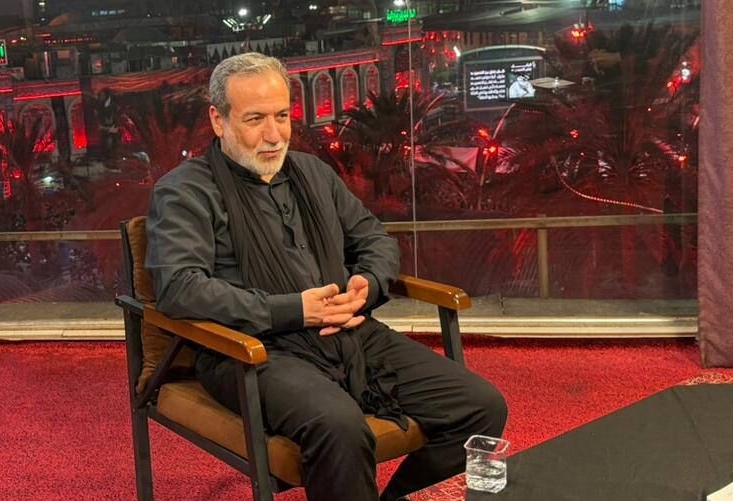
Arraghchi added that Iran had previously feared Baku might attempt to seize a corridor by force, triggering a war, which had led Tehran to station troops near the area. This happened during Azerbaijan’s September 2022 incursion into internationally recognized Armenian territory, although fighting then took place far from the Armenian-Iranian border.
The Iranian foreign minister also stressed that Armenia’s post-Washington diplomatic outreach, including direct calls from Prime Minister Nikol Pashinyan to Iran’s President Masoud Pezeshkian and from Foreign Minister Ararat Mirzoyan to his Iranian counterpart, as well as Kostanyan’s visit to Tehran, had provided “comprehensive explanations.”
Key for Iran, he said, was Yerevan’s pledge that U.S. involvement would remain purely civilian.
“No American troops will be stationed near us, and all of Iran’s red lines have been respected,” he concluded.
During his visit to Tehran, Kostanyan also gave an interview to IRNA, thanking Iran for its “balanced statement” from the foreign ministry and subsequent remarks by the Iranian foreign minister and president.
“One of our key agreements with Azerbaijan is the restoration of communication routes in the region with full respect for the sovereignty, jurisdiction and territorial integrity of countries on a reciprocal basis,” he said.
This, Kostanyan noted, would open new opportunities for rail cooperation between Armenia and Iran, including via the Nakhichevan–Julfa railway line, giving Iran rail access to Armenia and eventually to the Black Sea.
Addressing Tehran’s concerns about the deal and the U.S. role, Kostanyan said this had been one of the main topics of his meetings in Iran.
“I came here with the message that Armenia has taken Iran’s concerns into account, and that these sensitive issues were considered during the preliminary negotiations on the TRIPP project,” he said, adding that some project details had already been finalized.
He also assured Tehran that the company overseeing the route would be registered in Armenia with shares split between Armenia and the United States.
“This does not mean U.S. involvement in regional security,” Kostanyan stressed. “We know this was a key issue for the Iranian side, and I believe it has been resolved.”
Kostanyan also said uninterrupted and unhindered operation of the Armenian-Iranian border for the movement of goods and passengers is of strategic importance for Yerevan, and no obstacles are expected.
“One of Tehran’s main concerns is the border between Iran and Armenia. We value this border and are grateful to Iran for its political support on this issue in recent years. This position is as important for us as it is for Iran, and it will not change under any circumstances. We have given the Iranian side the necessary guarantees,” he concluded.
Armina Arm, vice-president of Tehran’s Iran-Eurasia think tank, told CivilNet that the Washington agreements “can have a long-term impact on geopolitical and strategic issues in the region, in the Caucasus, and in some sense change the balance of forces.” She stressed that “any kind of border change in the region is a red line, and this has always been announced.”
She noted that one of the most important outcomes for Tehran was the declaration’s confirmation of Armenia’s sovereignty over Syunik.
“It is a very important issue for Tehran, because the Iranian side would not want to lose the border with Armenia, which is one of the roads leading to Europe,” Arm said, recalling earlier concerns in Iran that Azerbaijan might use military force to take control of Syunik.
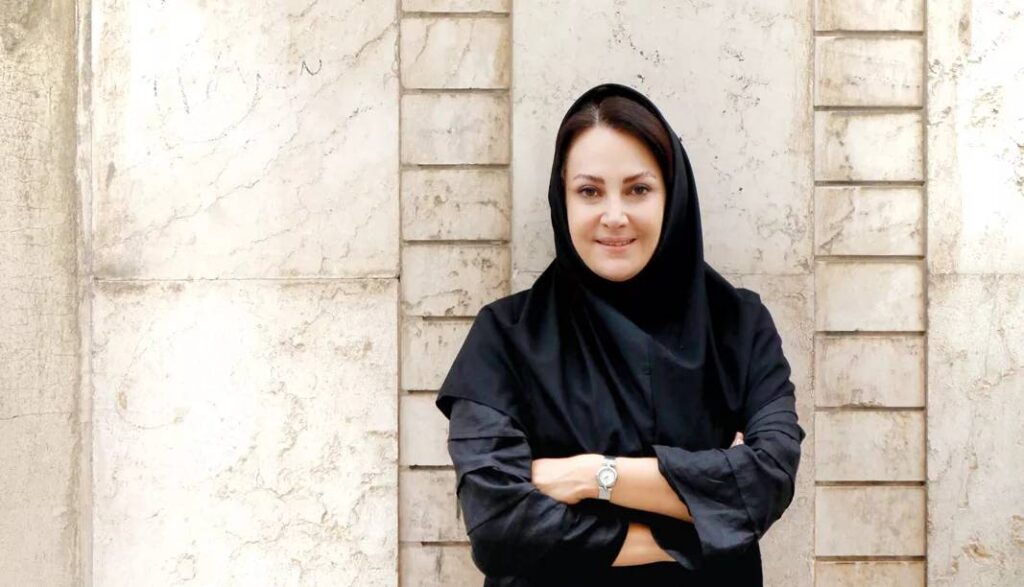
Arm said that any lifting of restrictions that facilitates economic cooperation “will be welcomed.” At the same time, she cautioned that the planned transfer of road management to a consortium, with the U.S. potentially holding more than a 60% stake, gives Iran reason to be wary.
“Not to mention,” she added, “we are talking about an extra-regional power, a state like the U.S., a member of NATO, on Iran’s borders.”
Inside Iran, opinions differ sharply. Some officials, including Ali Akbar Velayati, adviser to the Supreme Leader on international affairs, had taken a hard line, vowing that Iran, with or without Russia, would block what they called the “American corridor” in the South Caucasus. Others had gone so far as to warn it would become a “graveyard for Trump’s mercenaries.”
But President Masoud Pezeshkian and Foreign Minister Abbas Araghchi had instead adopted what Arm described as a “more balanced and milder position,” declaring that the corridor issue was “closed once and for all” and that the principles of the agreement do not run counter to Iran’s core interests.
“Iran’s official position is, of course, the one expressed by the foreign minister and President Pezeshkian,” she said. Still, she warned that while Russia's role in the South Caucasus was acceptable to Tehran, “military presence of the U.S. or NATO in the region would be a problem.”
Asked whether U.S.–Iran economic cooperation or joint interests were realistic, Arm replied that “one should keep in mind the tense relations and recent developments” between the two countries. Still, she said, the agreement “can find a positive reflection” in corridor-related matters, and that greater economic activity in the South Caucasus would ultimately “benefit all the countries involved in the region.”
Looking ahead, Arm pointed to President Pezeshkian’s upcoming visit to Armenia as part of Tehran’s policy of strengthening ties with neighbors. Having already visited Azerbaijan and Pakistan, Pezeshkian’s trip will follow the Armenia–Azerbaijan declaration of peace, which she said “increases the importance of his visit.” She expressed hope that, during the trip, Armenia and Iran — “as the old states of the region and countries that have always had ties of love” — could reach agreements that deepen bilateral relations, leaving aside concerns over the corridor.
“It would be excellent if, during this visit, Armenia and Iran could reach agreements to strengthen bilateral ties and set aside all concerns regarding the transit corridor,” she concluded optimistically.



 Stories