 Civilnet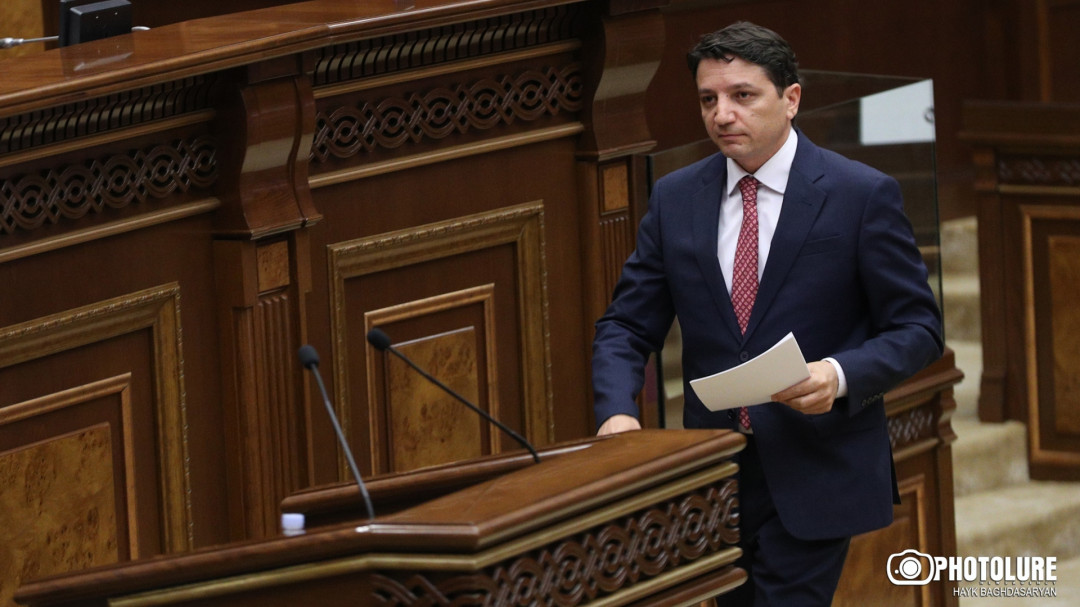
By Siranush Adamyan
Armenia’s finance minister has sought to calm fears that reopening the frontier with Turkey would swamp local markets with cheap goods, saying the step could instead cut costs for trade and create economic opportunities.
Vahe Hovhannisyan, speaking to state television late on Thursday, dismissed warnings of “catastrophe” from critics opposed to normalization. “Turkish goods already reach Armenia through Georgia,” he said. “If the border opens, imports will become slightly cheaper, but so will our exports. Some companies may face difficulties, but competition must be met. This is not a shock, not a catastrophe.” He added that Armenia could benefit by becoming a transit hub, attracting investment and collecting transit fees.
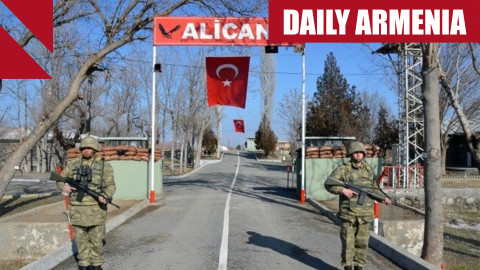
His remarks come as Turkey’s special envoy Serdar Kılıç arrived in Armenia on Firday morning. Kılıç crossed at Alican, where Armenia has rebuilt the Margara checkpoint at a cost of about $2.5M.
The meeting is part of a process launched in 2022, when both sides agreed to open the border to nationals of third countries “as soon as possible.” That step has yet to be implemented, though the crossing has briefly opened for humanitarian aid after the February 2023 earthquake in Turkey and again in 2024 for deliveries to Syria.
The Armenia-Turkey border has been closed since 1993, when Ankara sealed it in support of Azerbaijan during the first Nagorno-Karabakh war. Diplomatic ties have never been established, and past attempts at normalization, including the 2009 Zurich Protocols, collapsed under domestic and regional pressure. Ankara says reopening the frontier now depends on progress in Armenian-Azerbaijani peace talks following the 2020 and 2023 conflicts over Nagorno-Karabakh.
Prime Minister Nikol Pashinyan has promoted what he calls a “Crossroads of Peace” plan to reconnect Armenia’s transport links with Turkey and Azerbaijan. Supporters argue that a direct border opening could reduce transport costs by up to 30% for goods and expand markets for Armenian exporters. Critics, especially among farmers and small manufacturers, warn that they may not withstand competition from cheaper Turkish products.
The timing of border reopening remains unclear. Armenian officials say infrastructure is ready, but political decisions rest with Ankara.

 Stories