 Civilnet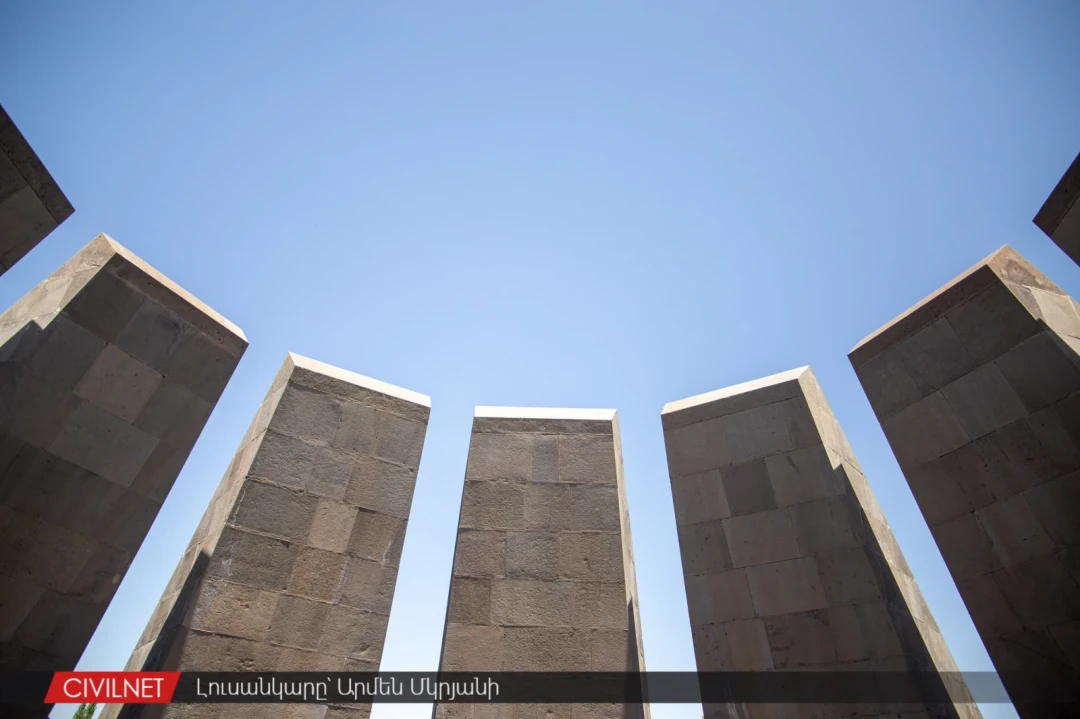
By Siranush Adamyan
Former board members of the Armenian Genocide Museum-Institute said the removal of its director, Edita Gzoyan, bypassed formal governance procedures, raising concerns about transparency and political influence over academic institutions.
A group of scholars who resigned from the Board of Trustees of the Armenian Genocide Museum-Institute said on Thursday that the forced resignation of the institute’s director raises serious concerns about academic freedom and political interference.
The statement follows controversy over the departure of Dr. Edita Gzoyan, which Prime Minister Nikol Pashinyan said he had personally ordered after her actions during a February visit by U.S. Vice President J. D. Vance.
Pashinyan said Gzoyan’s conduct during the visit “contradicted the foreign policy of the Armenian government” and described it as “provocative,” adding that state officials must align with government policy.
During the visit to the Tsitsernakaberd memorial complex, Gzoyan showed Vance memorials related to anti-Armenian pogroms and graves of fighters from the 1990s Karabakh war, and presented him with books related to the Artsakh issue.
Gzoyan resigned in early March following the dispute, after being instructed to step down, prompting protests from museum staff and sparking wider controversy.
Also read: Genocide scholars urge Armenia to reinstate museum director after resignation dispute
In their April 2 statement, the former board members said the government initially offered different explanations for Gzoyan’s resignation, including alleged management shortcomings and issues related to renovation works, before the prime minister publicly linked the decision to the Vance visit.
They said this sequence pointed to a lack of transparency and raised concerns about political pressure on academic and memory institutions.
The scholars who signed the statement include Stephan H. Astourian, Raymond H. Kévorkian, Hranush S. Kharatyan, and Harutyun T. Marutyan, all of whom stepped down from the board following Gzoyan’s dismissal.
Also read: Academic Freedom in Armenia at Risk? The Case of Edita Gzoyan
They also argued that the dismissal bypassed established governance procedures. Under the museum’s charter, the Board of Trustees is responsible for appointing and dismissing the director, and no prior concerns about Gzoyan’s performance had been raised, they said.
The case has triggered broader debate in Armenia over the relationship between state policy and academic institutions.
Pashinyan has argued that Armenia’s official position is that the Karabakh conflict is over, and that actions perceived as contradicting that stance are unacceptable for state officials.
Critics, including the resigning board members, say applying foreign policy considerations to research and museum work risks undermining institutional independence and setting a precedent for political oversight of academic activity.
The controversy has drawn criticism from academic circles in Armenia and abroad and raised questions about the autonomy of cultural and research institutions.


 Stories