By Melika Safaei
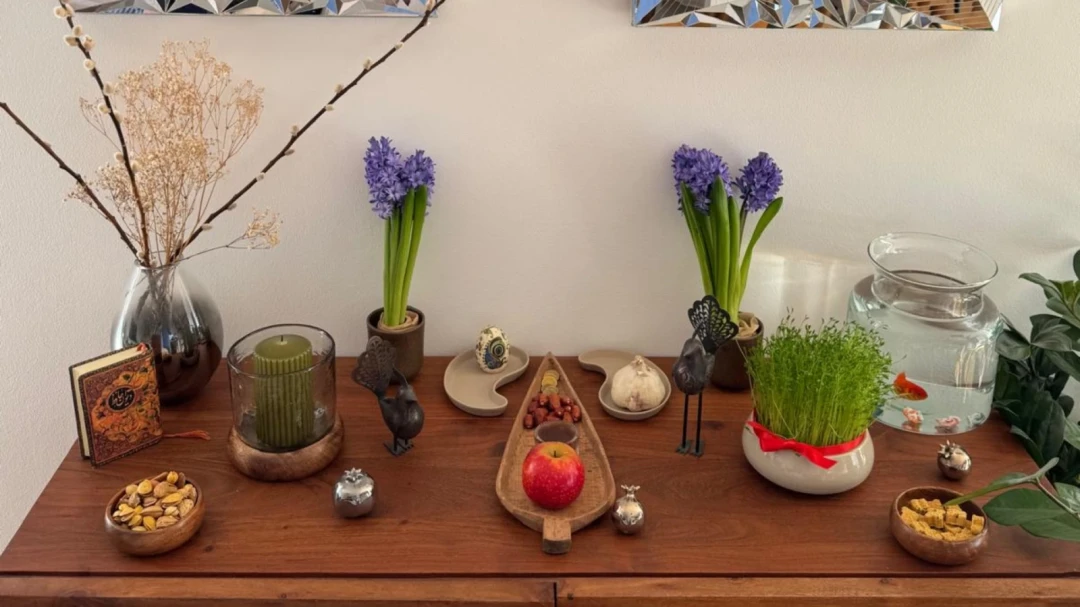
As Iranians release their Nowruz green sprouts into the nearest running water, Armenians set it on their tables for Easter– one of just many overlapping traditions between the two celebrations.
"When I was tying my greens to let go into the water, I looked up and saw my Armenian neighbor holding the exact same sprouts, waving at me," says Naeime, a 30-year-old Iranian woman living in Yerevan. "At that moment, the feeling of being a foreigner vanished."
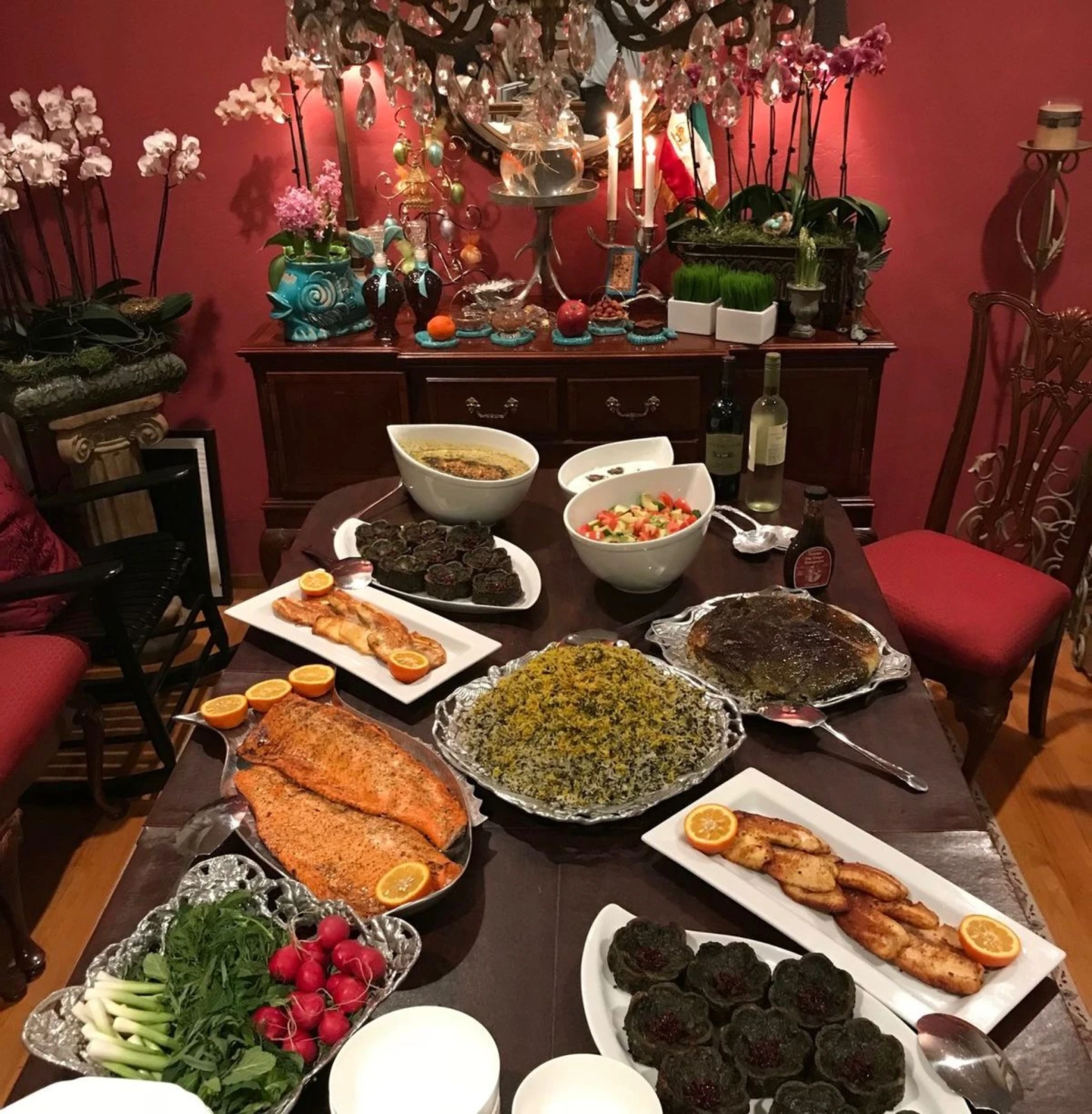
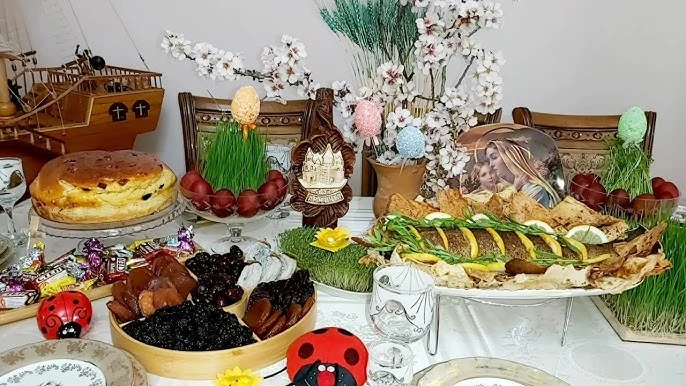
While Armenians prepare for Zatik (Armenian Easter), Iranians are celebrating Sizdah-be-dar (Iranian Nature Day), the final day of the Nowruz festival.
Read more: In the shadows of war, Iranians Celebrate Nowruz in Armenia
With similar symbols, both Armenians and Iranians mark the start of spring and the earth coming back to life. Long before Armenia became the world’s first Christian state in 301 AD, it shared a religious and cultural universe with Iran. For centuries, under the Parthian and Achaemenid empires, Armenians and Iranians revered the same Zoroastrian elements. They worshipped Ahura Mazda as Aramazd, and Anahita as Anahit.
The similarities begin even before the ceremonies. Right before Nowruz, Iranians do a massive deep cleaning called khaneh-tekani (literally meaning shaking the house). It's exhausting, but the idea is to scrub away all the stagnant energy from the year before. For Armenians, this clearing isn't just physical. On Holy Thursday, the church performs the Rite of the Absolution of Penitents. Just as the house is scrubbed clean, the spirit is washed of its burdens.
In February, Armenians also celebrate Trndez. The tradition involves building huge bonfires to jump over in order to leave their bad luck behind. For Iranians it looks and feels similar to Chaharshanbe-Suri, the fire-jumping festival right before the Iranian New Year.
The Architecture of a Shared Table
The traditional Armenian Easter meal of fish, rice pilaf, and fresh herbs (kanachi) is an exact replica of the Nowruz staple, Sabzi Polo ba Mahi.
For 57-year-old Armenian-Iranian Razmik, this shared history is not an abstract concept; it is something felt and tasted daily.
"Our roots are so deeply intertwined in this soil that even the smell of our kitchens is the same," he reflects. "They say sabzi, and we say kanachi, but what difference does it make whether the fish was pulled from the Caspian or Lake Sevan?"
The core of Zatik is the family gathering, preferably at the grandmother’s house. For an Iranian in Armenia, stepping into that living room feels like a homecoming. The soul of this hospitality is the woman pouring tea from the Samavar.
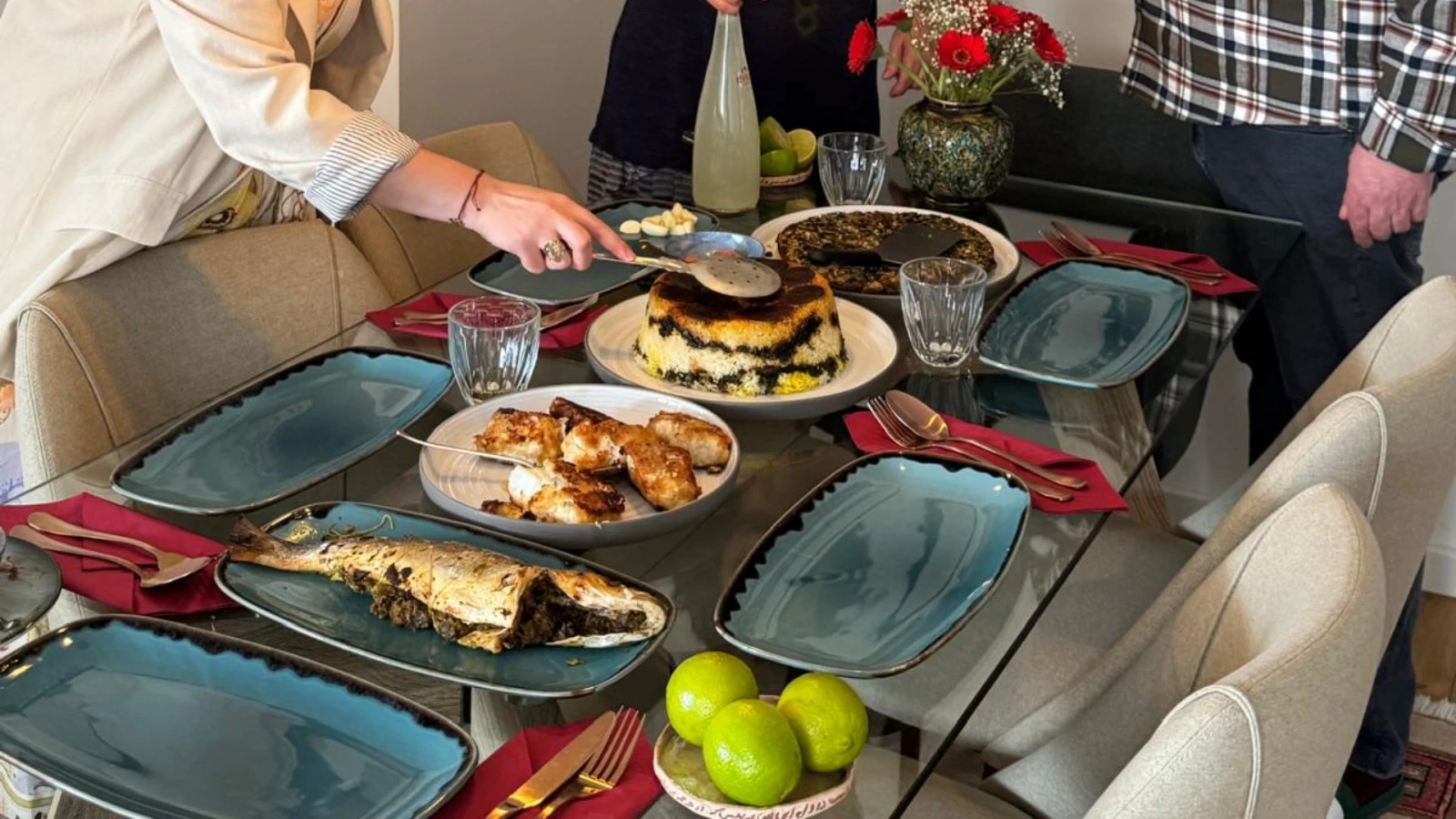
For a young Iranian far from home, being scolded by an Armenian grandmother for not eating enough feels perfectly natural. To an outsider, the insistent back-and-forth over a second helping might look like a heated debate; in reality, it is the foundation of respect. This shared culture mirrored exactly in the Iranian tradition of Ta’arof, which is the invisible social contract that binds the host and the guest together.
Today, these two ancient peoples are separated by complex geopolitics and different religions. Yet, the moment you cross the border, institutional differences fade, and the shared history becomes immediately apparent.


 Stories