 Alexander Pracht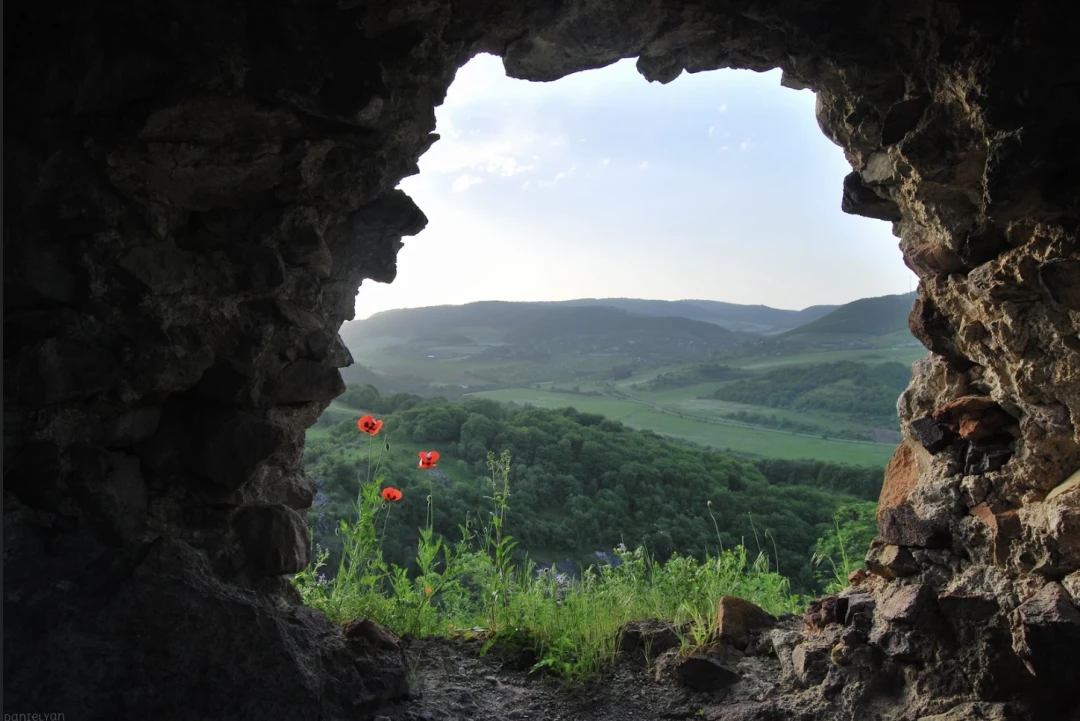
Armenian authorities on Tuesday rejected media reports claiming that Yerevan may hand over a border village to Georgia as part of ongoing demarcation efforts, calling the information false.
The speculation followed remarks by Prime Minister Nikol Pashinyan a day earlier during a speech marking the anniversary of Armenia’s Border Guard Service, in which he noted that most of the country’s border with Azerbaijan and some sections of its frontier with Georgia remain undefined but would soon be clarified.
The comments prompted several Georgian media outlets to publish unverified claims that Armenia could give up the village of Jiliza, located in the northern Lori Province and cut in half by the non-demarcated state border with Georgia. The area had been a single cohesive unit during the Soviet period, but independence left neighbors in different countries, unable to reach each other. This has been an ongoing problem that has created significant challenges in the daily lives of local residents, leaving them increasingly isolated, with many having moved away over the past decades. Jiliza’s population has shrunk to around 100 residents.
Similar reports of a possible handover have surfaced periodically in both Armenian and Georgian media in recent years, though they gained wider traction this time.
“A number of media outlets have spread ‘information’ that an agreement has been reached for Armenia to hand over the village of Jiliza in the Alaverdi community. Any statement claiming an intention or agreement to transfer any part of Armenia’s sovereign territory [to another country] is false,” Prime Minister Nikol Pashinyan’s press secretary, Nazeli Baghdasaryan, said in a statement.
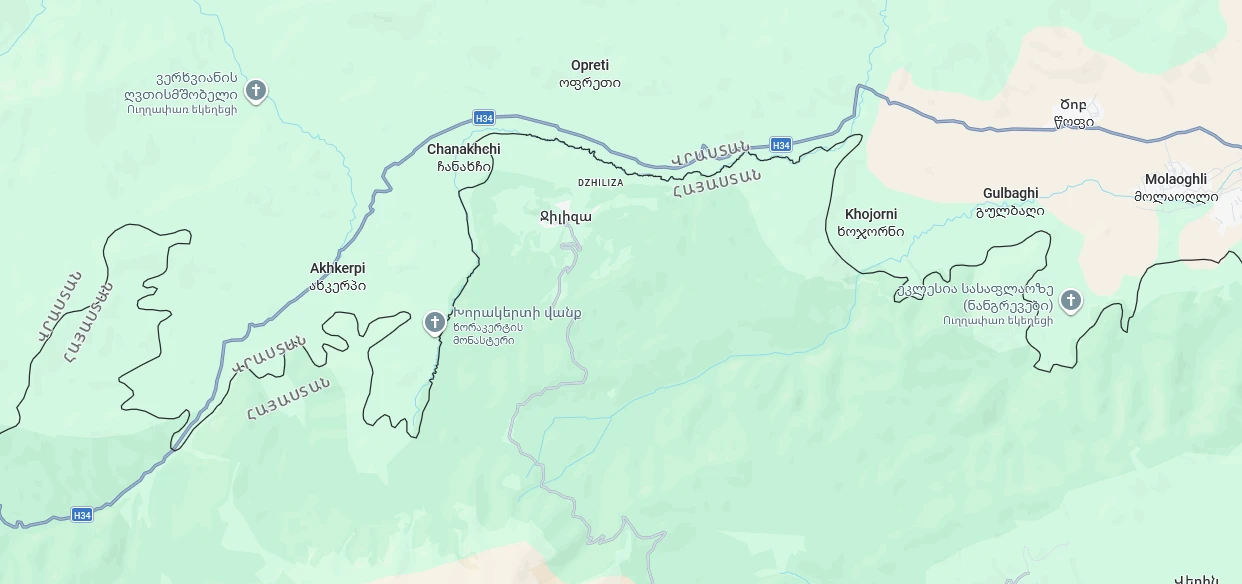
Border demarcation talks between Yerevan and Tbilisi, launched in the mid-1990s, have resolved most sections of the frontier, but some areas remain disputed, including the vicinity of Jiliza.
The surrounding area is known for its medieval heritage sites, including the Chakhalaberd fortress (known as Orfeti in Georgian), which is controlled by Armenia, and the abandoned Khorakert Monastery, currently under Georgian control.
Watch CivilNet’s video report from Jiliza





 Stories