Nicholas Castillo
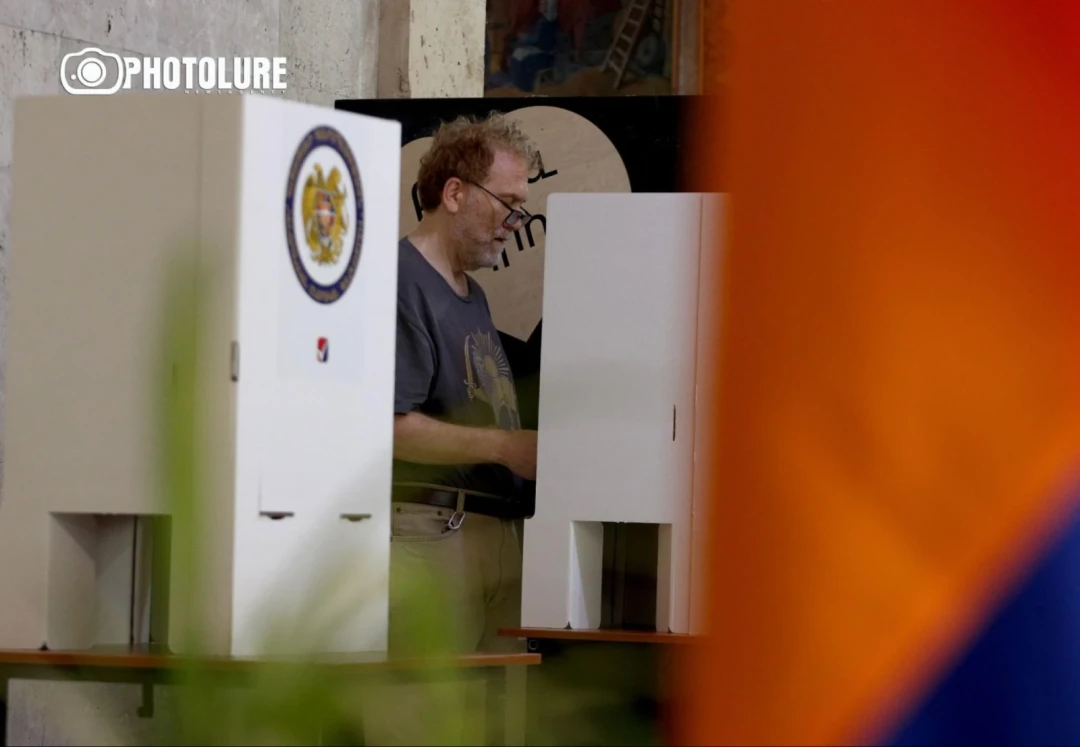
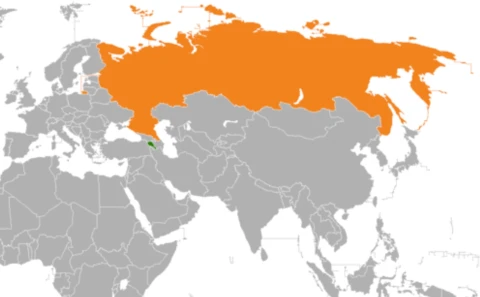
Amid Armenia’s national elections, the international media has taken notice, framing the parliamentary vote as a choice between Russian and Western alignment.
Covering the elections, The Guardian described the vote as one that “could cement the country’s shift towards Europe and away from its traditional alliance with Russia.” Utilizing a similar framing, a New York Times headline described Prime Minister Nikol Pashinyan as a leader “backed by Trump, opposed by Putin, and fighting for his political life.”
Similar stories have been published by the BBC, CNN, Le Monde, and other major Western outlets. The British outlet The Telegraph went further in a story titled “Russia’s old ally set to give Putin a bloody nose.” The article credited Pashinyan’s pro-Western shift in part to the Armenian Prime Minister being “appalled by Russia’s conduct in Ukraine,” despite the fact that Pashinyan has consistently taken a largely measured stance on the conflict.
Such articles have tended to center reports of Russian influence operations, the trade restrictions Moscow has imposed in recent weeks, and allegations of pro-Russian alignment that surround the opposition Strong Armenia and Armenia Alliance blocs. Several articles have framed the vote as specifically a contest between the influence of U.S. President Donald Trump, who has endorsed Pashinyan, and Russian President Vladimir Putin.
American or European stories have not only focused on Russian and Western influence. The Times article went on to note additional themes such as regional security, potential peace dividends, democracy, and the expansion of the welfare state. The Telegraph piece additionally detailed allegations of democratic backsliding against the Pashinyan government. Yet, the framing of a contest between Russian and Western influence remains central.
Russian state media picked up on the same theme, while also highlighting accusations of Yerevan’s attacks on the opposition.
A subtitle on RT’s English language site described the election as one which comes “amid pressure on the opposition as Yerevan drifts toward the EU and away from Moscow.” A commentator speaking to RT’s Russian service on election day has argued that pro-Russian Armenian voters are “not given the opportunity to express themselves in any way, so it seems that there is more anti-Russian sentiment.”
Russian aligned media have also claimed French intelligence services are assisting Pashinyan in the suppression of opposition narratives.

Meanwhile, exiled Russian outlets critical of the Kremlin are also covering the Armenian election. In their coverage published a day prior to the vote, Meduza wrote that the focus of the campaign has shifted from “[a] standoff between the government and the opposition” to “the clash between Yerevan and Moscow.” The piece concludes that under Pashinyan, “Armenia's relations with Russia, it seems, will never be the same again.”
In their coverage, Novaya Gazeta Evropa described that while Pashinyan is the choice of Washington and Brussels, “the Kremlin is placing its bets on businessman [Samvel] Karapetyan.”
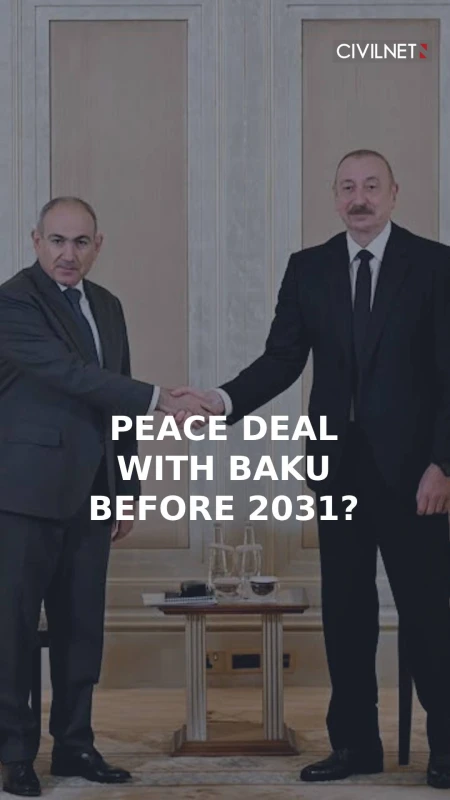
Azerbaijani state media has taken a more mixed approach. The English language Azerbaijani AnewZ described the election as a broader referendum on Armenia’s “future political direction,” saying that Pashinyan is seeking reelection amid “domestic polarisation, security challenges and regional diplomatic tensions.” A piece published on Armenia’s election day by the Azerbaijani Press Agency underscores Pashinyan’s comments on peace normalization with Azerbaijan.
The more incendiary Azerbaijani outlet Caliber has published coverage underscoring violations or chaos reported over the course of the election.
“Armenian politics has finally lost what little seriousness it had left,” one article claimed, describing violations by government and opposition forces.
Still returning to the EU vs Russia framing however, the Caliber piece also argued “Brussels is not turning a blind eye to violations out of negligence – it became embedded in the Armenian campaign long before election day, and it became embedded on one side.”
Some observers have noted, however, an increasingly pro-Pashinyan tilt in Azerbaijani media coverage as the election neared. Evidencing this trend, Caliber published an article in the run up to the elections arguing that “Pashinyan is demonstrating an increasingly firm commitment to pursuing a policy aimed at peace with Azerbaijan, which will undoubtedly contribute to the development of both Armenia itself and the region as a whole.”
Amid a number of issues, Armenia’s elections have touched in large part on the future of the country’s foreign policy. Under Pashinyan, Armenia has pivoted away from Russia, welcoming in the United States to back a transit route through the country and has begun to publicly discuss the possibility of eventual EU membership. At the same time, opponents such as Robert Kocharyan have staked out explicitly pro-Russian stances, while reporting has pointed to coordination between Samvel Karepetyan’s Strong Armenia and the Kremlin.

 Stories