By Olivia Law
On June 21, Armenia joined millions around the world in celebrating the 12th International Day of Yoga, with events taking place everywhere from the Eiffel Tower and the Taj Mahal to the Pyramids of Giza.
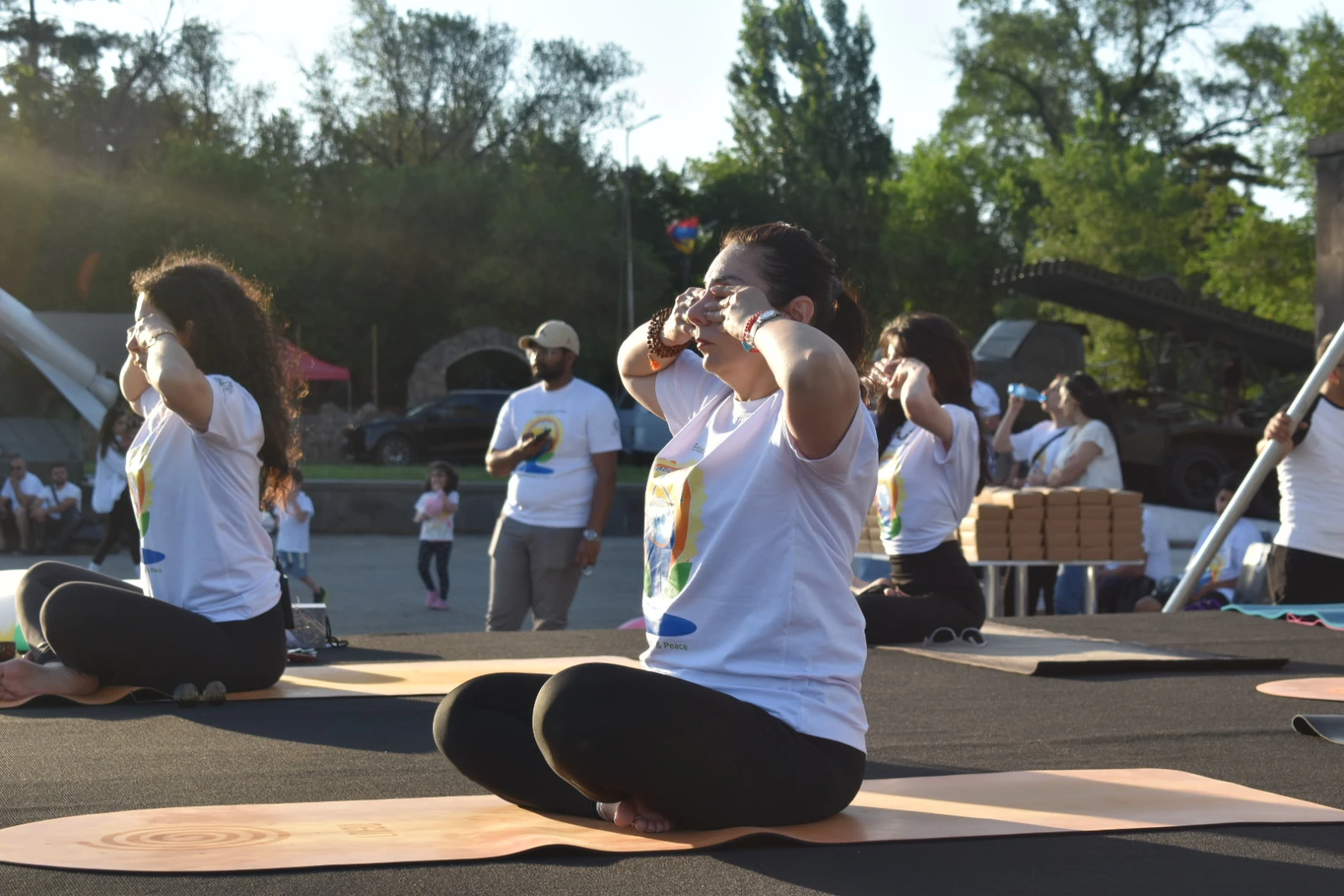
With nearly 200 participants gathered in rows of white-shirts and yoga mats at the foot of Mother Armenia, the event showcased Yerevan’s evolving yoga culture.
International Yoga Day
Armenia’s national yoga day events have been put on annually since 2014. While this year’s event took place in Victory Park, previous International Yoga Days have been held at Tumo Park, the Cascade and Freedom Square.
Participants noted that this year’s turnout has been the biggest thus far. Khusboo Pannu, a medical student from India, also noted a difference in demographics.
“There are a lot more Armenians than last time,” she shared. Previously, the celebration was smaller and mostly Indian students.
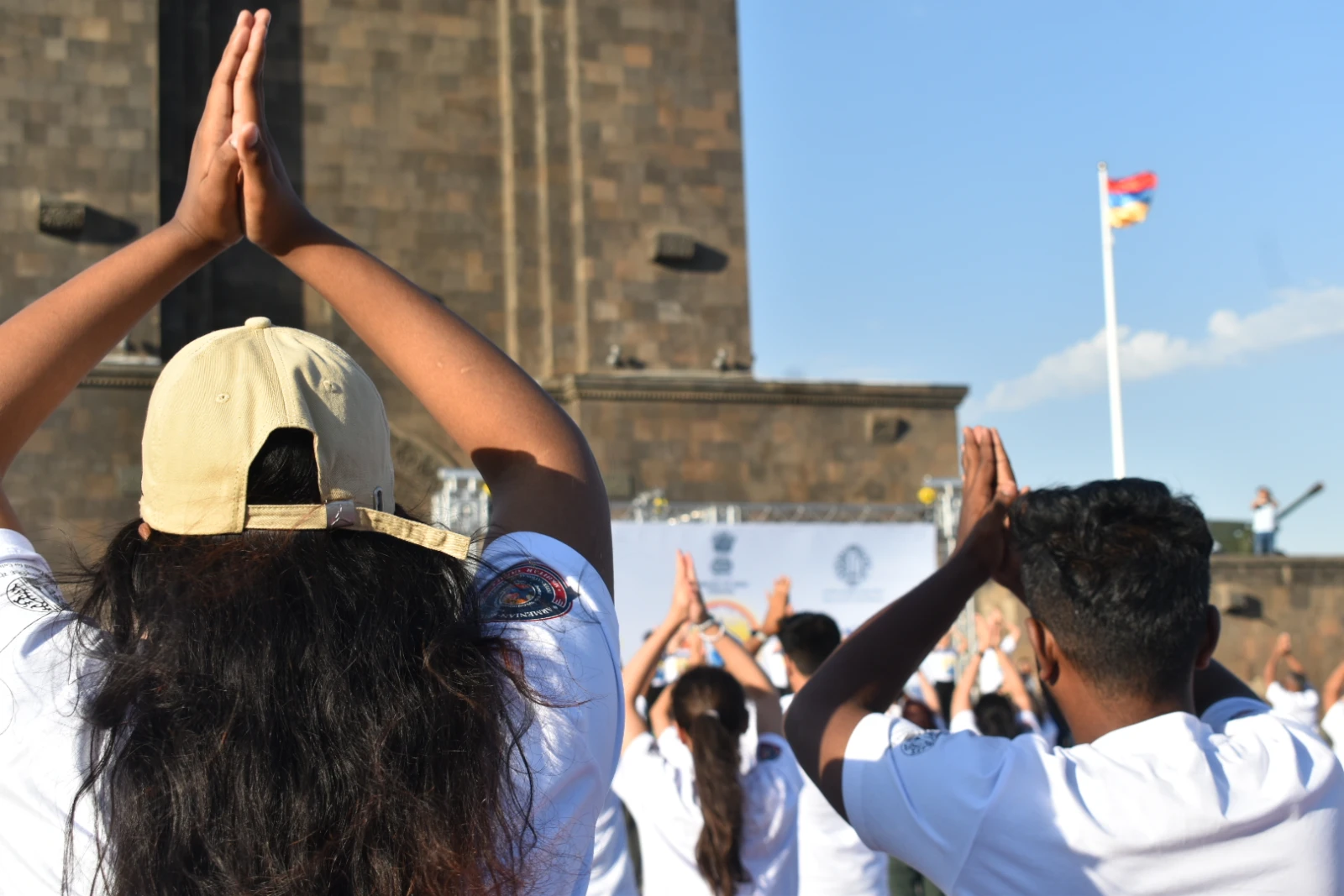
The public event is organized by the Embassy of India, the Indian Council for Cultural Relations, and Yoga 365, a campaign by the Government of India’s Ministry of Ayush (responsible for traditional and alternative medicines) to promote yoga as a daily practice. Yoga mats were provided along with t-shirts, water, and small boxes of fruit.
As a flexibility practice, yoga is known to improve strength and circulation as well as relieve back pain and arthritis. Alongside breathwork and meditation, yoga is also known to calm the mind, making the practice popular for its curative effects in healing both physical and psychological trauma. This year’s International Day of Yoga theme was “healthy aging,” emphasizing the benefits of yoga in sustaining health.
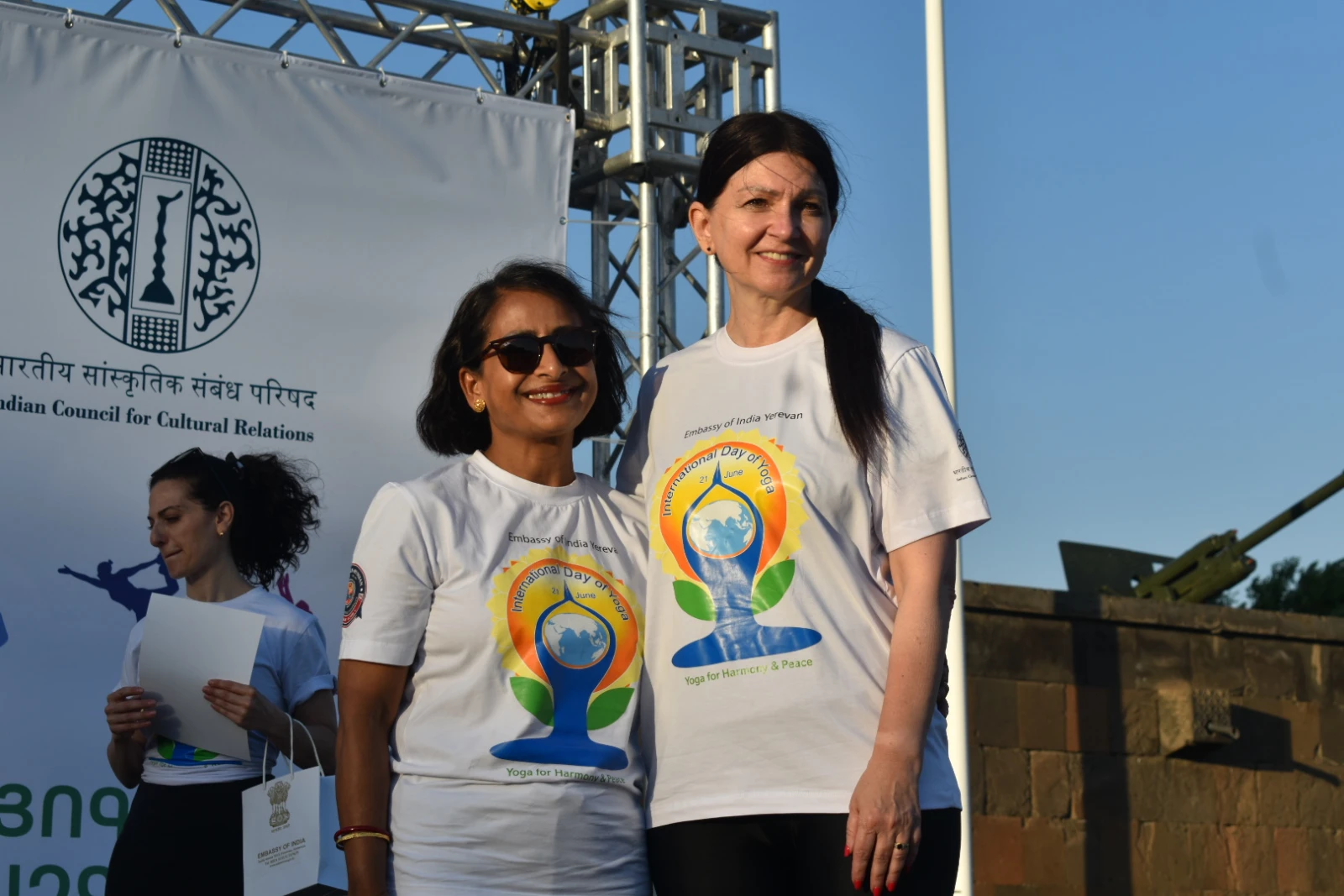
In the six weeks leading up to the International Day of Yoga, smaller events took place throughout Armenia to promote yoga as a healthy practice. On June 12, 180 cadets came out to twist and stretch at the Vazgen Sargsyan Military Academy. The week prior, India’s ambassador to Armenia, Nilakshi Saha Sinha, hosted a yoga event at her residence, promoting women’s health for women ambassadors and heads of missions.
“At each place, we have seen tremendous turnout and success,” Saha Sinha told CivilNet.
Arthur Martirosyan, Deputy Minister of Education, Science, and Culture noted yoga’s increasing popularity in Armenia. “Every year more and more yoga studios are opening,” he said.
Yoga’s beginning in Yerevan
When Narina Bagdasarayan founded Sattva in 2006, it was the country’s only yoga studio. Bagdasarayan was just twenty-six years old.
“I was trying to find myself,” she told CivilNet “I had questions but no answers.” Her journey into yoga began as a process of self-discovery.
Two decades later, Sattva is one of nearly thirty yoga studios spread throughout Yerevan. While some, like Schoonch, were founded in the years following Sattva’s opening, many studios have opened just recently.
“I like that this is happening,” Bagdasaryan noted, “but it should be done wisely.”
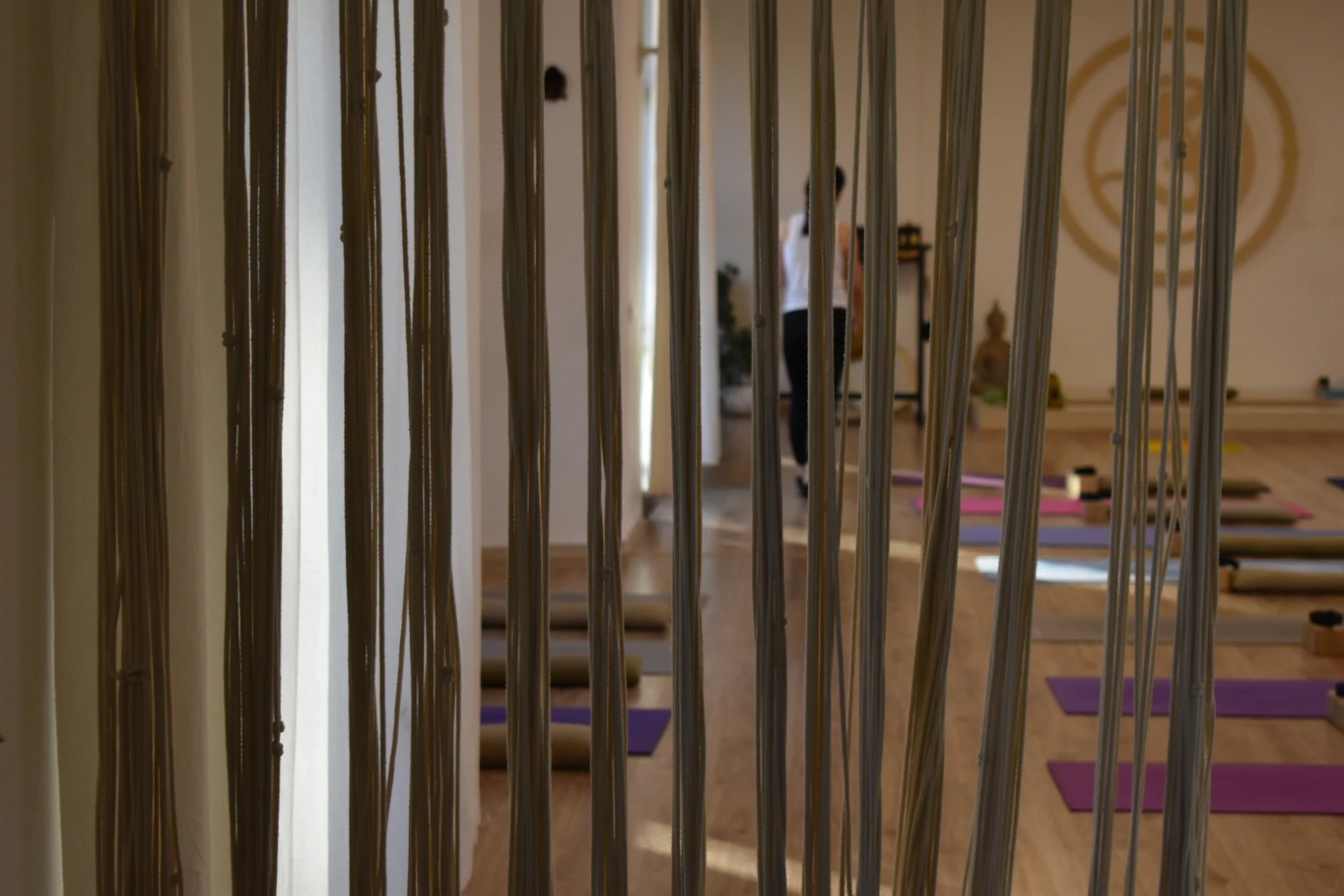
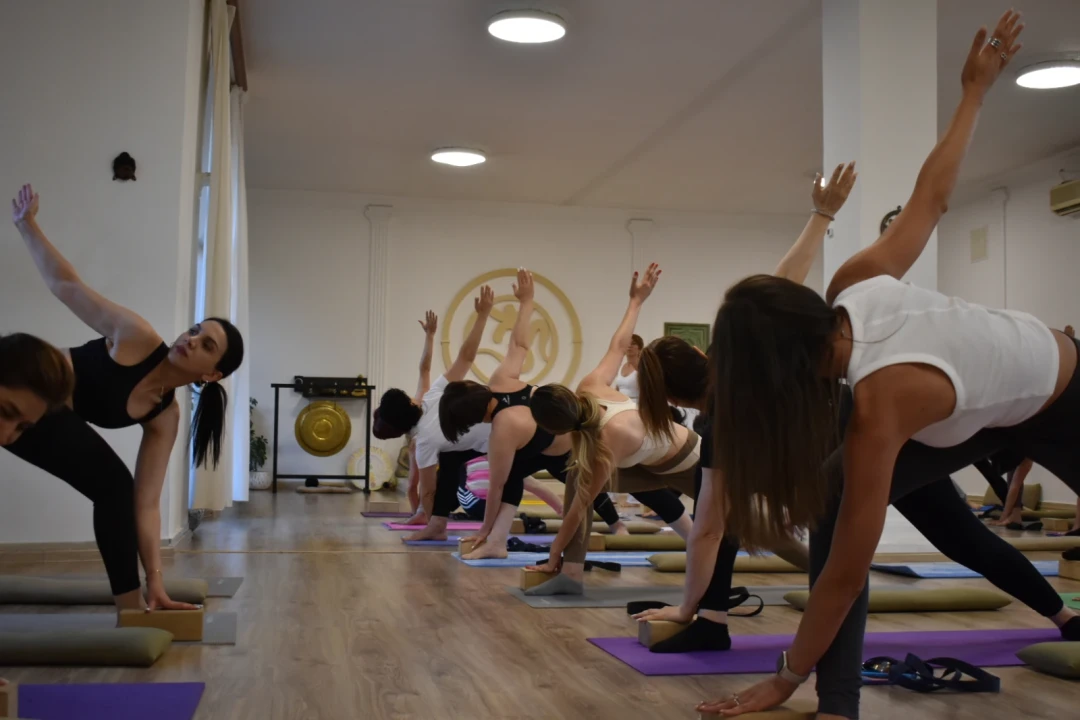
With a multitude of yoga studios in the city, each location offers a different experience and methodology. One studio, Sacralá, identifies yoga as a place for women to grow and heal — seeing yoga as a hybrid practice with movement and dance. Another, Arpi Yoga, offers cooking workshops and pregnancy yoga classes. Some, like Yoga Ashram, offer a yoga practice strongly rooted in Indian tradition.
But while they differ in technique, nearly all of Yerevan’s yoga studios share a majority female membership and are founded and led by women. Many centers make this a focus of their programming — with “women’s circles” and classes on prenatal care.
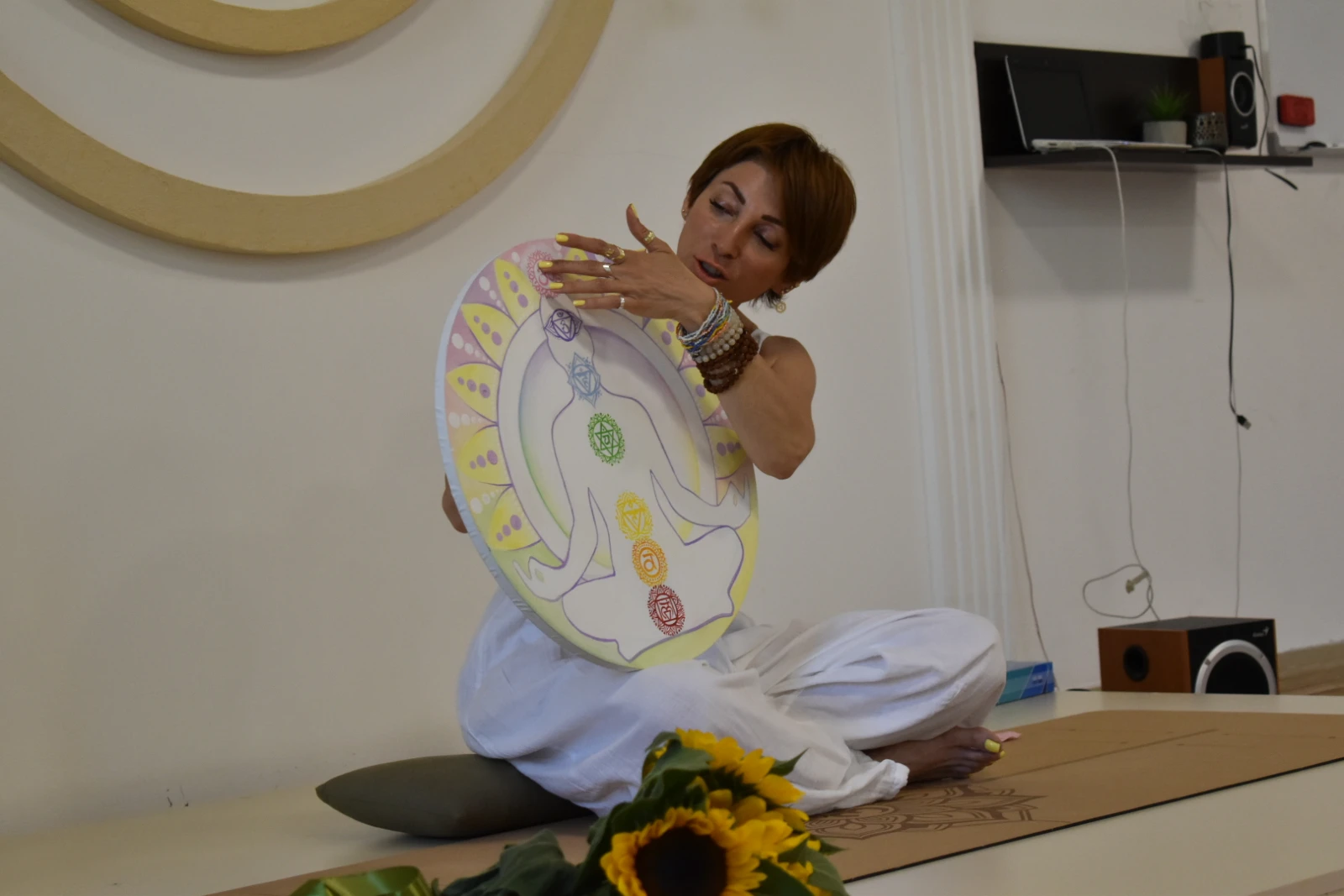
In a spoken lesson at Sattva, Bagdasaryan discussed empowerment and sexuality while teaching her students about the seven chakras.
For Bagdasaryan, to practice yoga means “to be in balance,” to direct her students in the dietary and spiritual elements of the practice, alongside the physical. Lilit Minasyan, Sattva Yoga Studio’s Public Relations manager, says their clientele see significant changes after just a month.
“Some say that they lost weight, some say that their mindsets have changed,” she shared.
Yoga’s Future
As yoga becomes a practice for connection, community, and health in Yerevan, it is expected that the practice will only continue to grow. “It is becoming more and more institutionalized, for which we are very happy,” Martirosyan said.
Saha Sinha also believes the practice of yoga has gained a renewed importance in an age “marked by rapid technological change, rising stress, and social fragmentation.”
“Beyond personal well-being, yoga offers a broader vision for humanity,” she said.
“India firmly believes in Vasudhaiva Kutumbakam, which means the world is one family,” Saha Sinha said “Yoga promotes harmony, and you know harmony is what India is all about.”



 Stories