By Nicholas Castillo, a CivilNet intern through The Armenia Project.
“Whatever you see, it was done by the Karapetyans,” is a common refrain in the town of Tashir.
Tashir is the largest town in the home district of Samvel Karapetyan, Armenia’s richest man and the politician at the center of Armenia’s largest opposition party, Strong Armenia. The town has a population of roughly 7,000 and is situated in the northern Lori region.
In a country where smaller communities have often struggled with poor infrastructure and a lack of investments, the town stands out for its level of development, in large part driven by large charitable and commercial investments by Karapetyan into his home region.
Armenia’s richest man made most of his fortune in Russia. Now holding Russian, Cypriot, and Armenian citizenship, the billionaire built a career as a subcontractor for Russia’s state-owned Gazprom and developed an empire of shopping malls, real estate holdings, and other businesses in post-Soviet Russia and Armenia.
Karapetyan is a divisive figure in Armenian politics.
His ties to Russia and vast economic influence raise concerns reminiscent of Georgia's Bidzina Ivanishvili, the billionaire founder of Georgian Dream, who has been widely seen as the country's de facto ruler despite holding no formal office. Similar concerns have been voiced in Armenia, where opponents argue that Karapetyan's wealth and influence could enable him to wield political power without commensurate institutional accountability.
Those fears intensified after it emerged that Karapetyan did not meet the Armenian Constitution's residency requirement to run for parliament or become prime minister. Holding non-Armenian citizenship likewise bars the billionaire from holding a parliamentary seat. Karapetyan’s Strong Armenia party subsequently proposed amending the Constitution to remove that obstacle, prompting criticism from constitutional experts and civil society who argued that the country's fundamental law should not be tailored to accommodate a single individual.
In Tashir, however, one is hard pressed to find someone speaking critically of the Russian-Armenian billionaire.
“They always helped, even for poor people, they provided flour, oil, and so on,” Seyran Baghdasaryan, a 65-year resident of Tashir, told CivilNet, describing Karapetyan’s charitable activities.
“He’s a rich man. He’s not doing it for money, he has it. He thinks about us,” Baghdasaryan said.
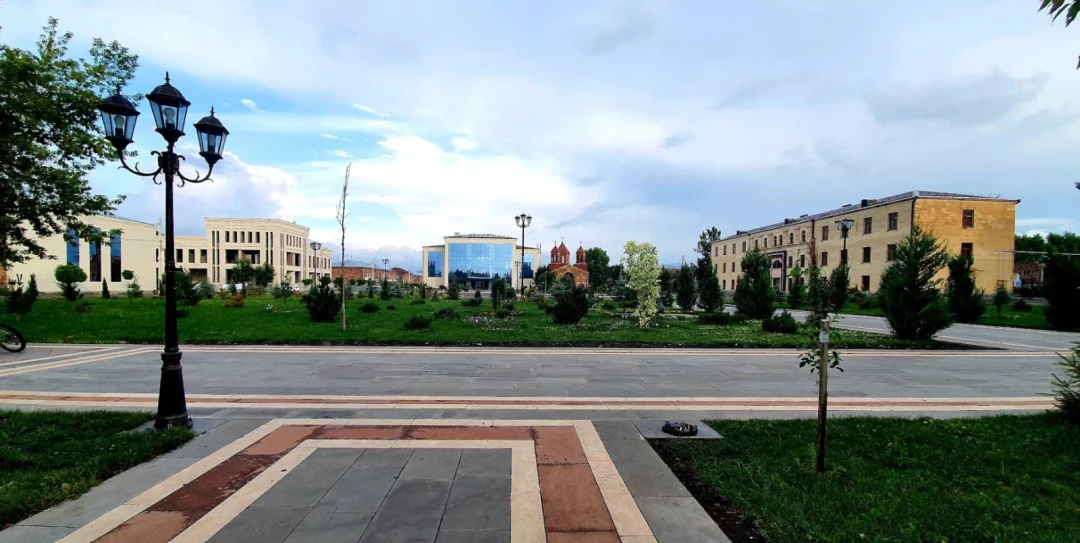
The town’s park is surrounded by Tashir Foundation-funded buildings, including the fund’s central office and a large kindergarten made of beige stone, the facade of which is topped with a prominent Tashir Group logo. In the Lori region, there are four kindergartens named for Karapetyan’s mother, Amalya, including one in the town of Tashir.
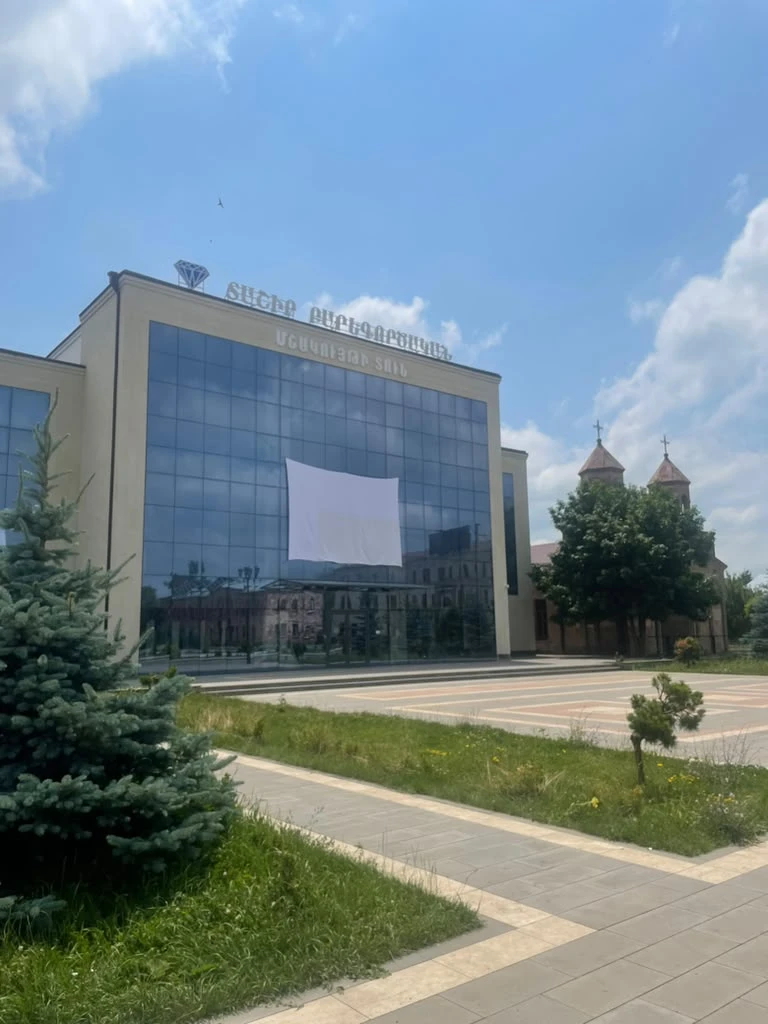
The town’s cultural center alone reportedly received 400 million drams (slightly more than $1 million) from Karapetyan for renovations in recent years, and now provides concerts, clubs, and services for locals.
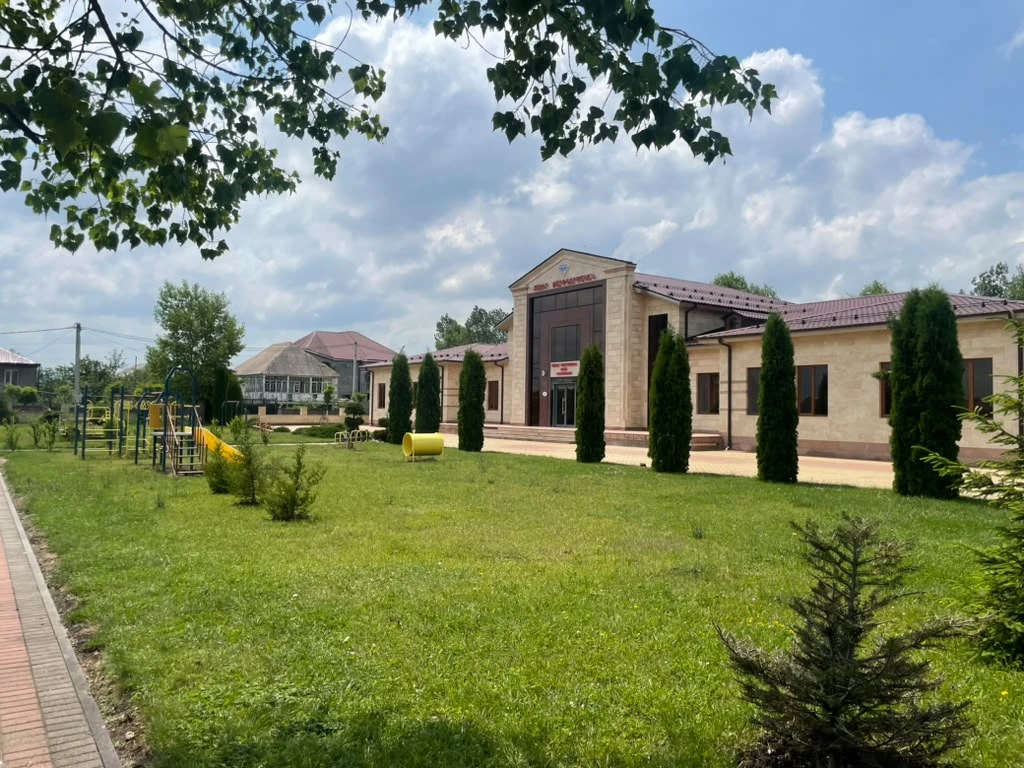
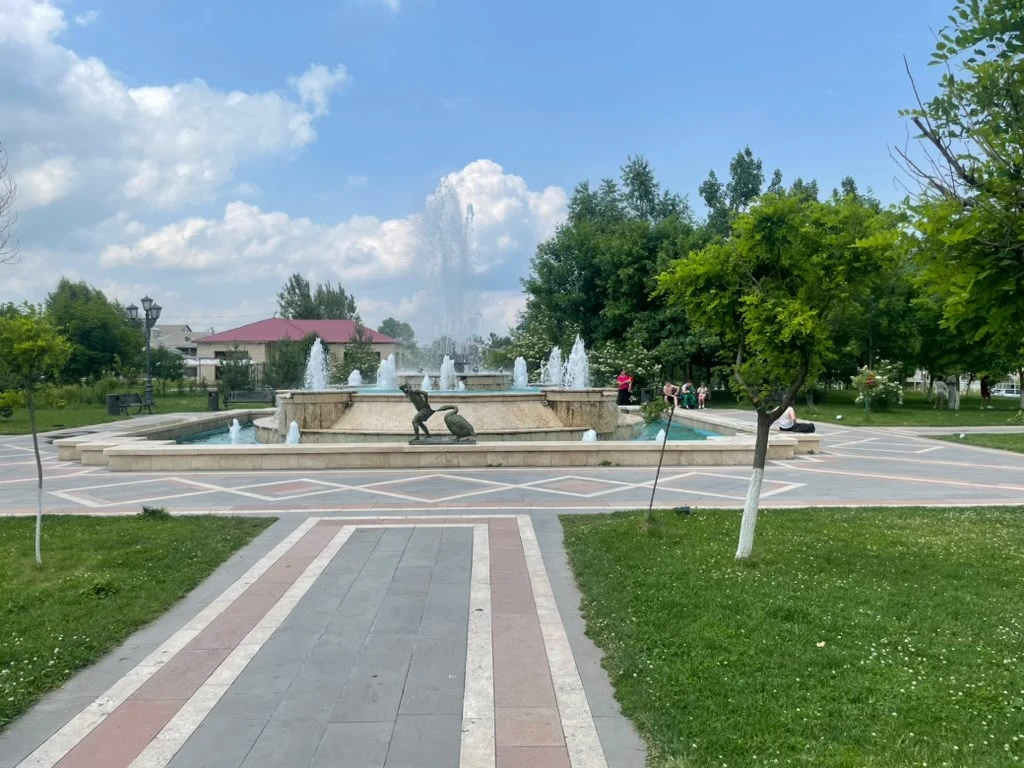
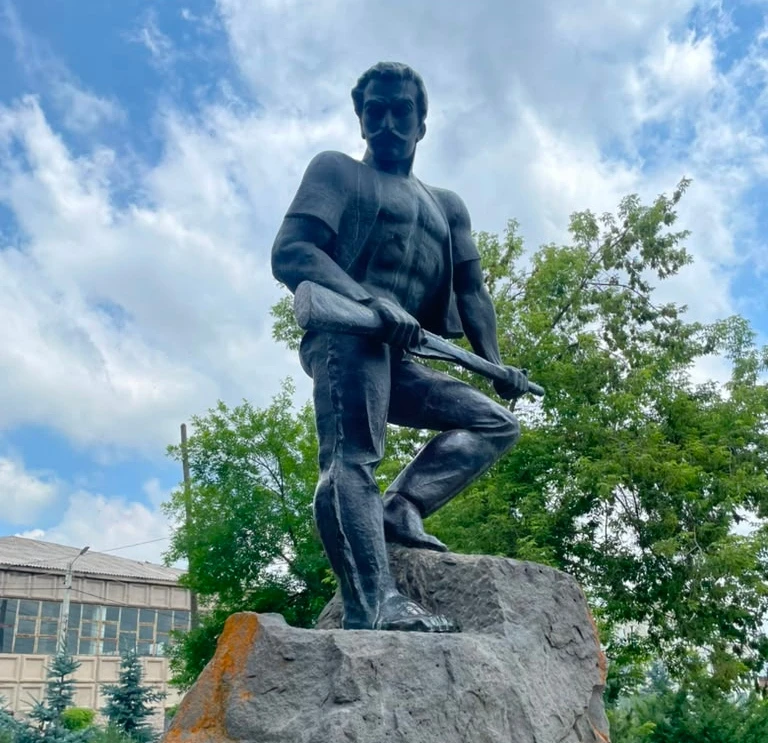
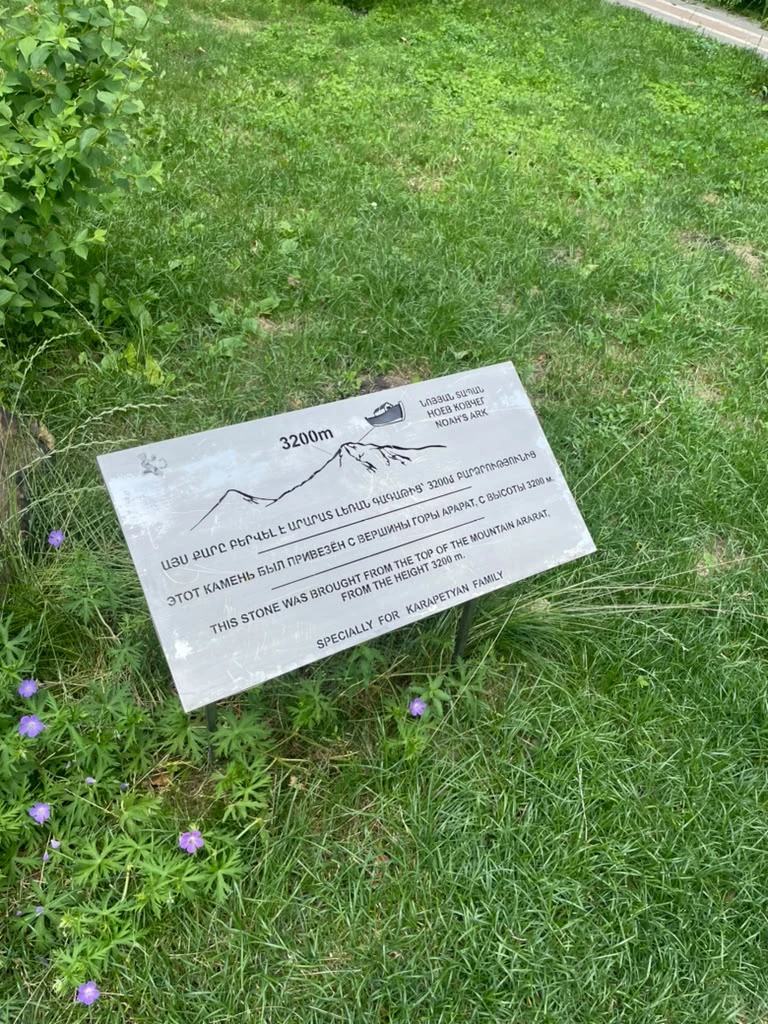
A monument in Tashir Central Park financed by the Karapetyan family.
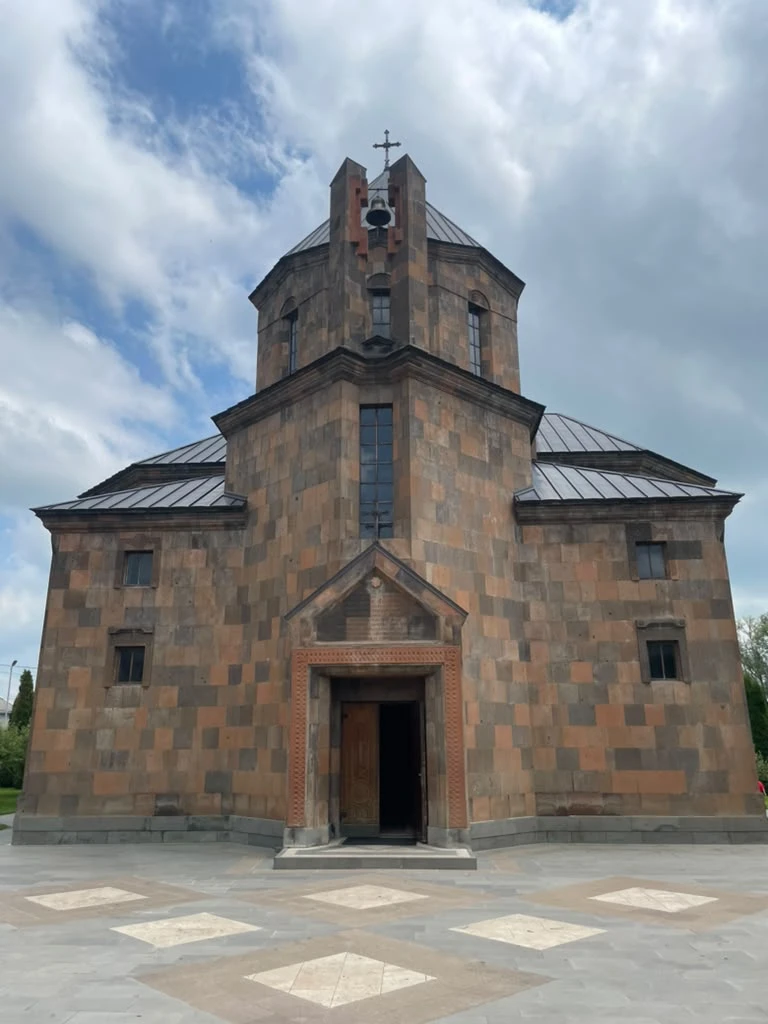
Venturing into the town, one sees more signs of Karapetyan’s investments. A church with its own park complex, a textile factory, a cable factory, and other buildings in Tashir were either built by Karapetyan or received significant support from him.
Many locals also recount stories of Karapetyan financing the construction of personal homes.
Even business investments in the town blur the lines between commercial and charitable activity.
Artur Aghayan, the 35-year-old deputy director of the Tashir textile factory, framed the factory as a social development project as much as a business investment.
“The main idea was not to make money or profit from it,” Aghayan said of the factory, “the main idea was to create jobs and whatever profit we generate, rather than taking a dividend, we reinvest it.”
“We also provide free transportation that brings employees to the factory and back,” Aghayan reports, “plus, as you see, the cafeteria is free for everybody.”
The factory, a Soviet-era business bought and now operated by Tashir Group, employs around 200 people, mostly women. Today, it ships mainly to European countries, including the Netherlands and Italy.
Aghayan described the educational investments that the Tashir Foundation had brought to the local community.
“There is also a kindergarten,” he recounted. “When it was being built, Karapetyan was taking control of the process. Karapetyan came and said all the furniture should be ecologically clean, all the paint should be clean, and the kids should sleep on the best linen. It should be safe and the best.”
“In Armenia, you will not find another kindergarten like this,” Aghayan said, mentioning his own daughter attends the school.
Tashir has greatly benefited from Karapetyan’s investments, but, in many ways, it is still a typical Armenian town. A variety of homes, some large and newly renovated and others idle and empty, line Tashir’s streets. Young people are still leaving to Yerevan, Russia, or Europe for education and work.
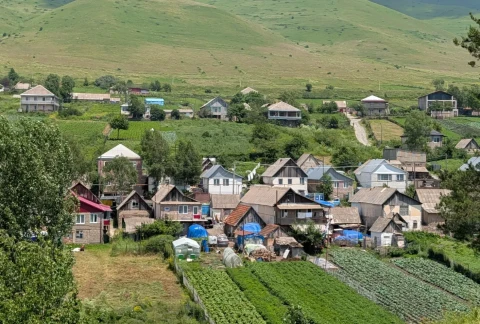
While at times one can mistake Tashir for a typical Armenian town in terms of its development, the nearby village of Lernahovit immediately strikes the visitor with its large, well-maintained houses made in a uniform style of beige stone and red roofing.
Roughly 15 minutes away by car from Tashir, Karapetyan was born in Lernahovit, which he once described as his “favorite place in the world.”
The streets of the small village are well-paved thanks to a large investment by the Tashir Foundation. In 2019, the fund was granted permission by the government to conduct a roughly $3 million charitable project aimed at the "improvement of the streets of Lernahovit village and adjacent areas of Tashir enlarged community."
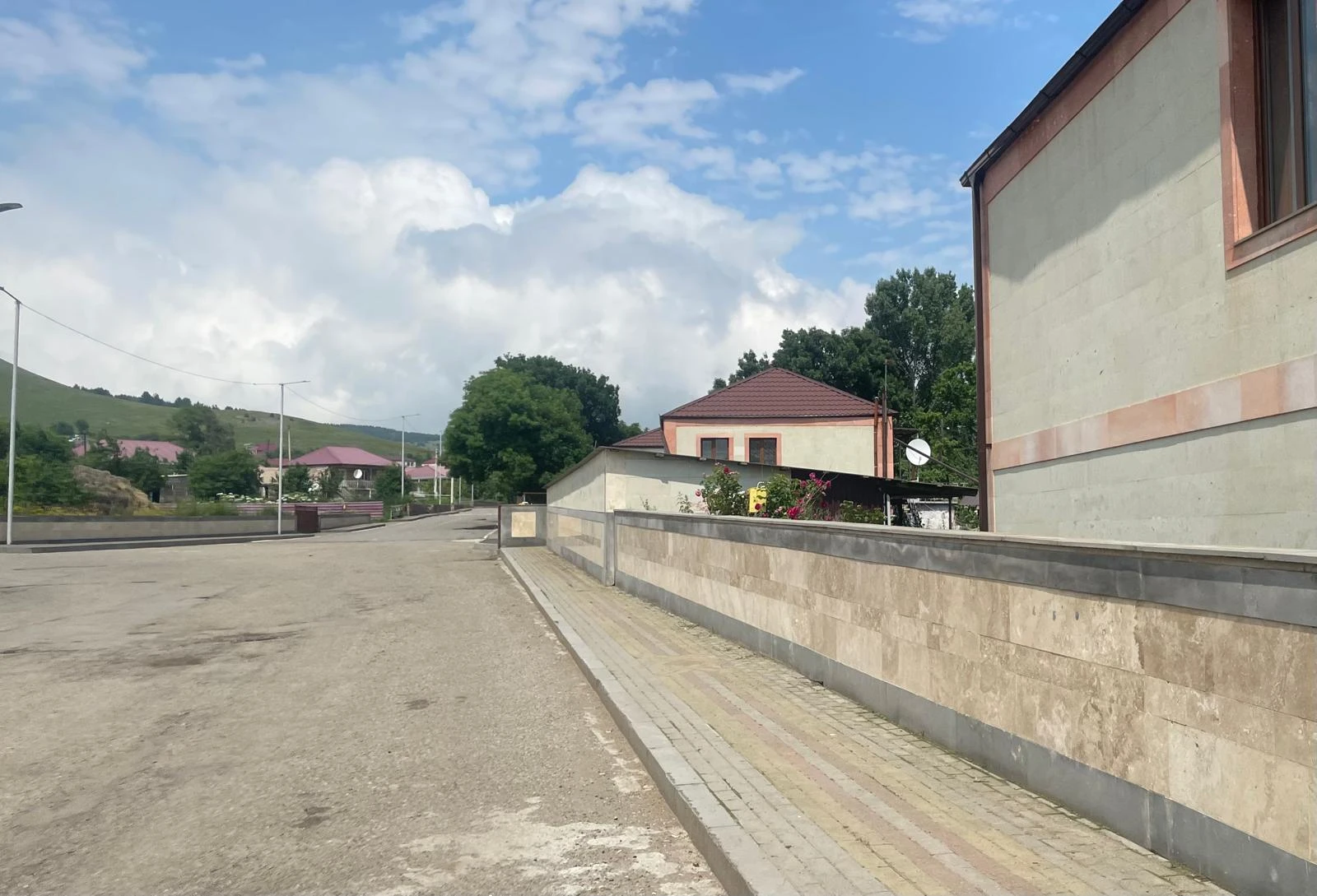
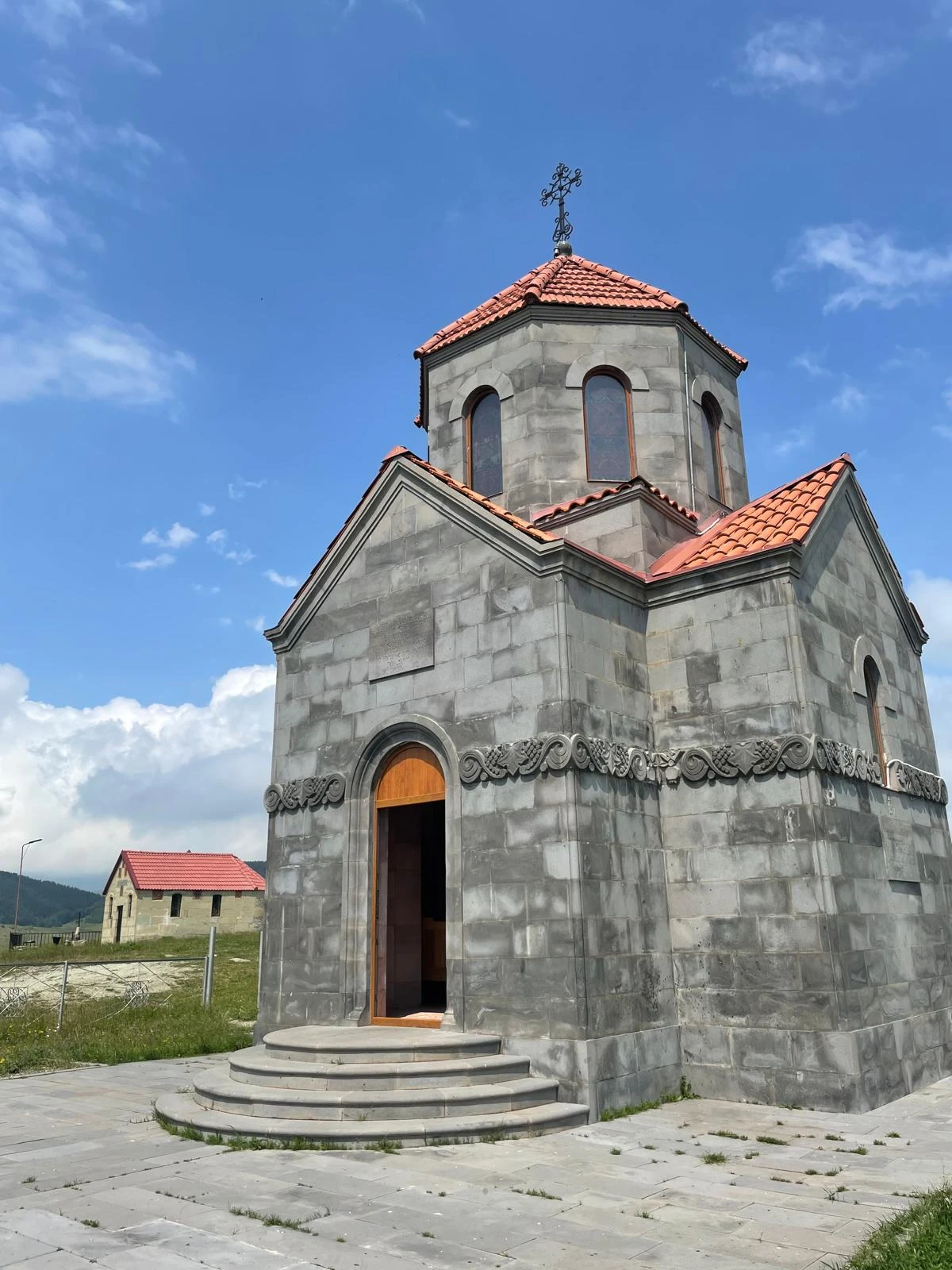
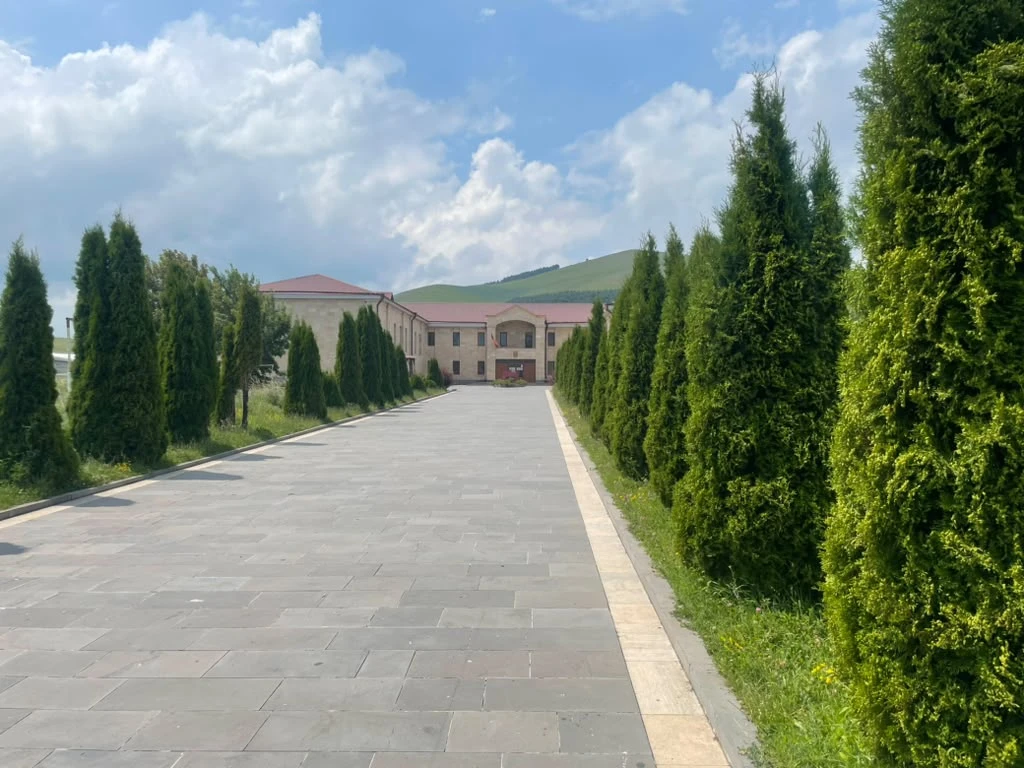
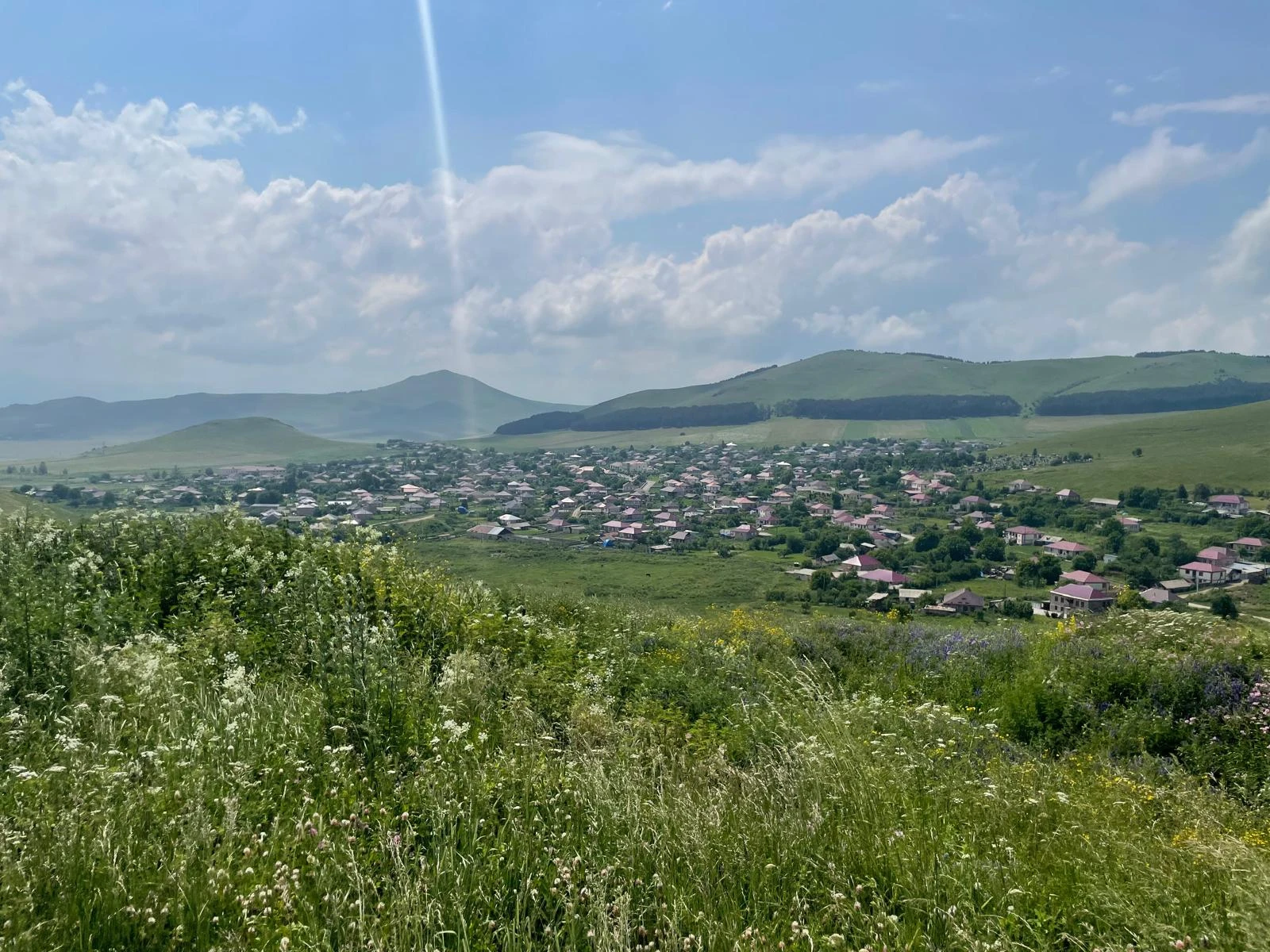
Robert Artanyan, a 56-year-old resident of the village, recounted how Karapetyan financed and organized the construction of nearly every house.
“Go to the church, from there you’ll film everything and whatever is done is done by [Karapetyan],” Artanyan said, referencing the view of the entire town available from the hilltop church.
“Not a single villager didn’t receive investments,” he recounted.
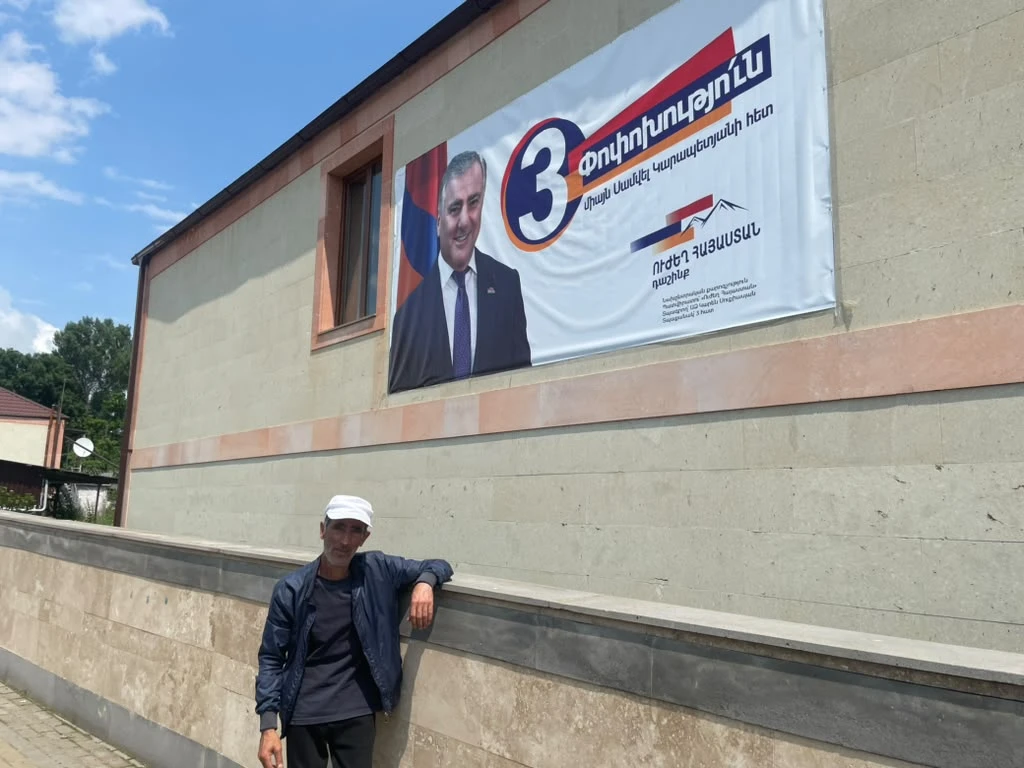
“Get a photo of me and the king,” Artanyan said when asked if he would like to be pictured, pointing to the Karapetyan banner on the side of his home.
In Tashir’s town-center, visitors are never far from Karapetyan’s face, with election posters on nearly every block and in the windows of most shops. Even with the elections over, the posters mark the town as Strong Armenia territory. Signs of support for the ruling Civil Contract party or other opposition groups are notably absent.
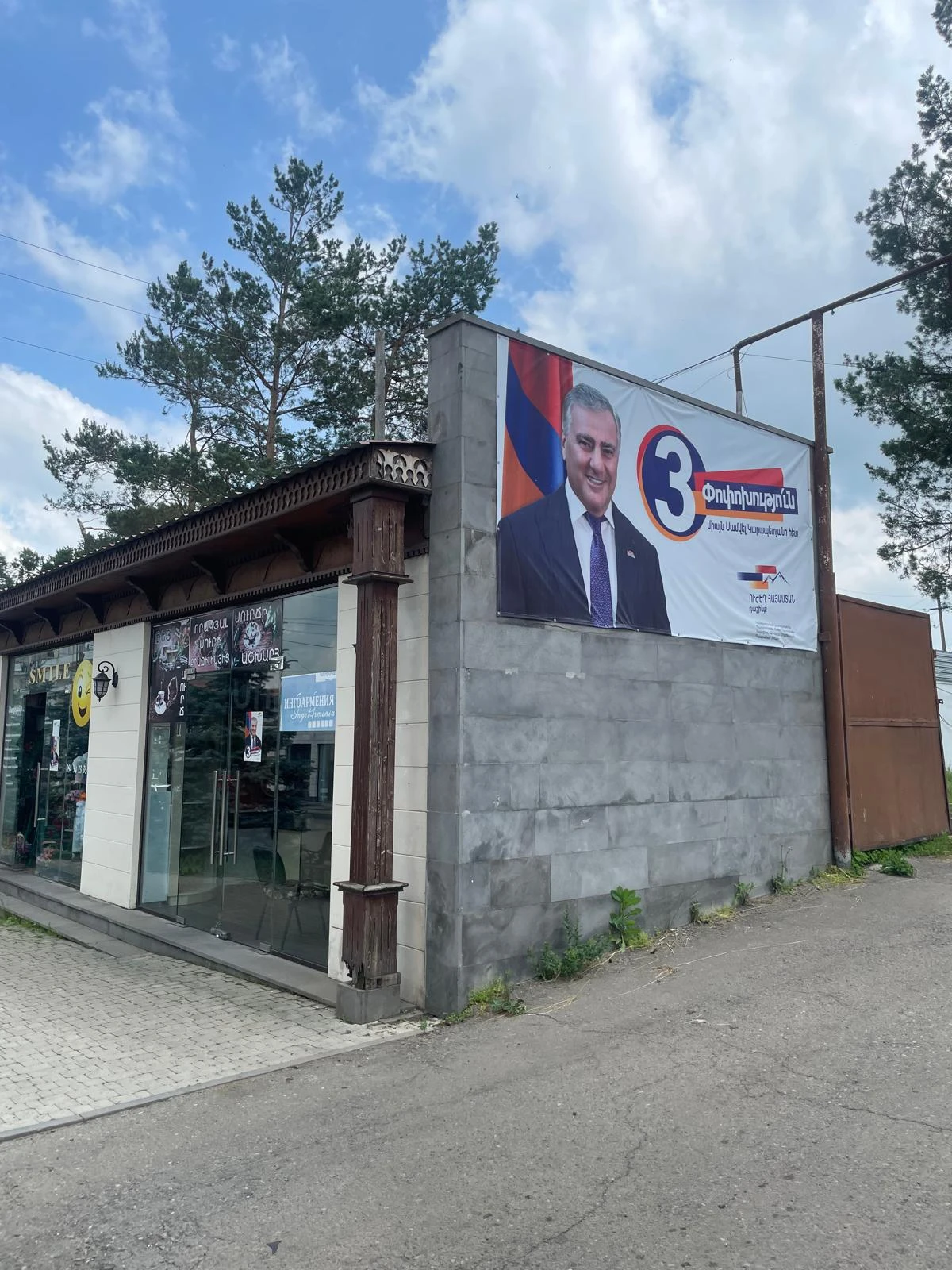
Locals in Tashir and Lernahovit told CivilNet that they believe Tashir’s long-running investments in the region increased Strong Armenia’s political support during this year’s elections.
“If his political party would get power, he would take care of people better,” Baghdasaryan said of Karapetyan.
It can be difficult to assess the overall impacts of this scale of investment, considering that the Armenian statistical committee largely publishes data on a regional or national basis.
Lori region hovers around Armenia’s national average for poverty rates. In 2024, 21% of Lori’s population was classified as either “poor” or “extremely poor.” This is far better, however, than the 42% and 45% rates in neighboring Tavush and Shirak regions.
As for politics, Armenia’s governing party performed poorly in Lori compared to other rural regions, garnering only 50% of the vote share during the June 7 national election. Strong Armenia on the other hand took 33% of the vote, by far the highest share received by the party in any province and ten points above their national average.
Yet, while some may look at Tashir’s level of development with appreciation, others may see a billionaire turning his home community into a personal economic fiefdom or vanity project.
In a country where the average salary sits at around $820 dollars a month, Armenians outside of Tashir may bristle at the degree of attention Karapetyan has directed to just one community. While some small towns go without stable water or electricity, Karapetyan’s foundation has poured millions into parks, large kindergartens, and sidewalks in Tashir district.
In Tashir, however, Karapetyan’s charitable activities appear to have generated predictable goodwill.
Local residents consistently told CivilNet they felt as if the level of development in Tashir was far ahead of other similar communities, even saying that some Armenians from other districts can be resentful of the help Tashir has received.
“He built this building for children, offices, that other building is a hotel, a cultural house, parks, the factories, he’s doing asphalt,” Baghdasaryan relayed to CivilNet, gesturing around the Tashir’s downtown.
“Everything you see, it was done by them.”



 Stories