By Lia Avagyan
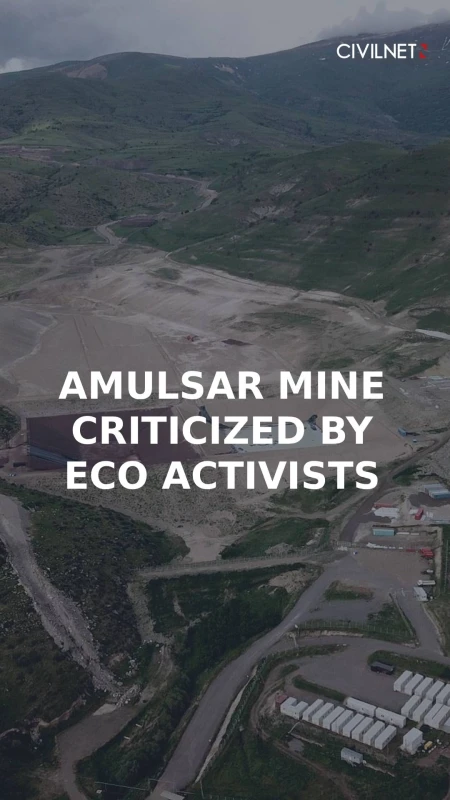
Armenia’s Amulsar gold mine is expected to generate $120–130 million a year in taxes and royalties at current gold prices, the government’s representative at its operator said, as environmental activists renewed calls to halt the project.
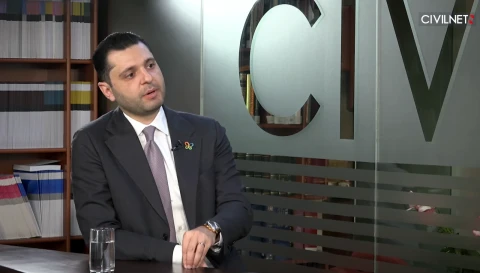
Gnel Sanosyan, a board member at Lydian Armenia representing the government’s 12.5 percent stake, gave the estimate in an interview published by Armenia’s Public TV on Tuesday evening. The figure excludes dividends payable to the state.
The mine is expected to employ around 1,200–1,300 people, Sanosyan said. He estimated that demand for supplies and services could support at least another 4,000 jobs elsewhere in the economy.
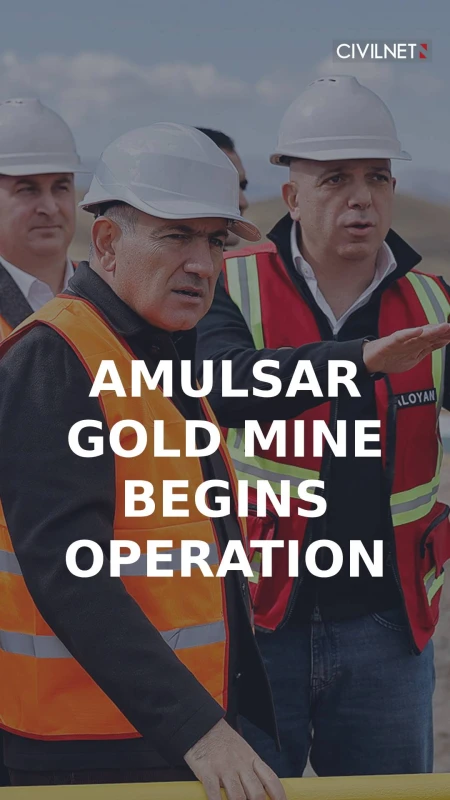
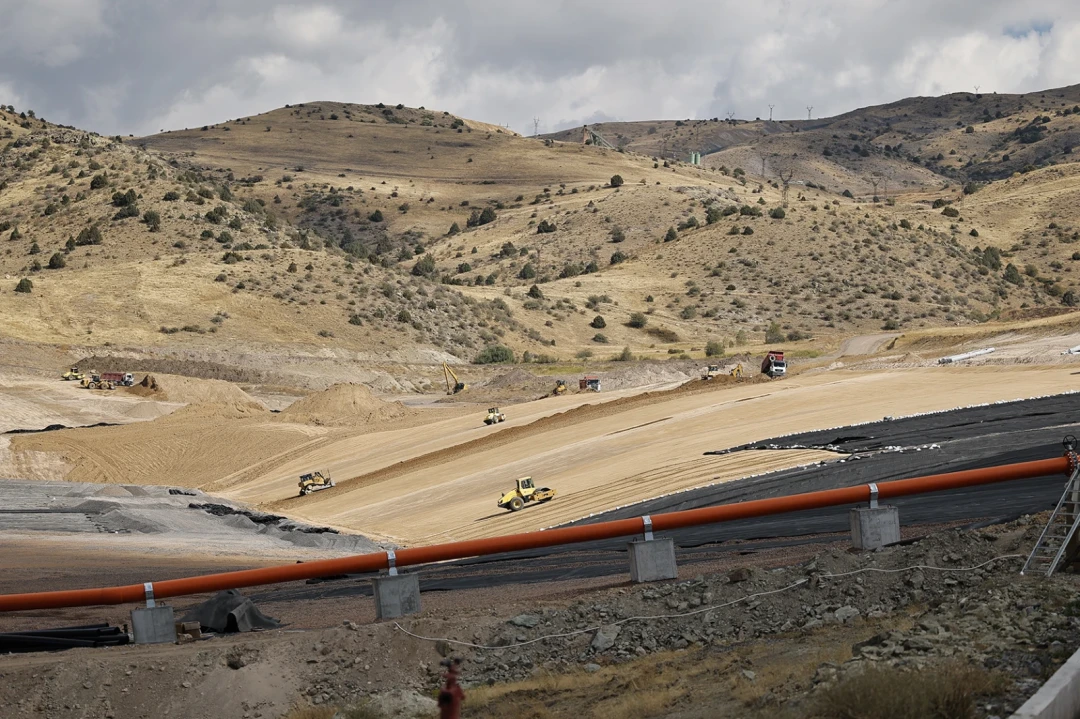
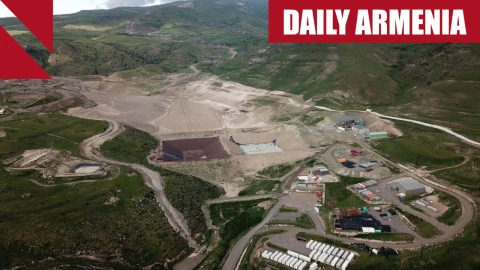
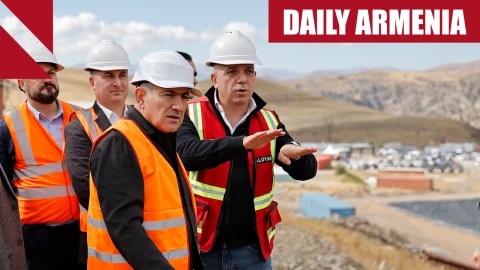
Armenia officially launched operations at Amulsar on October 10, a decade after construction began on a project repeatedly delayed by environmental protests and financing setbacks. Prime Minister Nikol Pashinyan attended the opening near Jermuk, a spa town known for its mineral waters.
Sanosyan said the latest investment phase involved more than $250 million, including a $150 million loan backed by a government guarantee. Contracts for mining equipment had reached around $130 million, exceeding the company’s initial $100 million commitment, he said. Some equipment has arrived, while further deliveries are pending.
The mine has begun producing gold but is still operating below full capacity as construction and equipment deliveries continue, he added.
State ownership and financing
Sanosyan said the government’s stake provides income and a degree of oversight while helping officials respond more quickly to the company’s operational problems.
He said the ownership structure envisaged an international mining company United holding 87.5 percent of Lydian Armenia and the Armenian government holding 12.5 percent. He left unclear whether all arrangements with former owners, creditors and investors had been completed.
According to Lydian’s website, United has held the 87.5 percent stake since 2025. The government formally acquired its share in December 2024.
The financing arrangements changed after an earlier plan involving the Eurasian Development Bank fell through. A February 2023 agreement envisaged a $250 million package, including $100 million from the development bank, $50 million from a local bank and $100 million raised by Lydian.
In November 2024, the development bank told CivilNet that Lydian had withdrawn its application. The government subsequently approved a guarantee for borrowing of up to $150 million from banks.
Environmental and anti-corruption organizations challenged the guarantee in court in May 2025, alleging violations of financial and environmental safeguards.
Environmental concerns persist
A petition signed by 68 civil society figures, environmental activists and concerned citizens criticized the mine’s launch and demanded that operations and related activities be halted. The signatories also called for government financing to be withdrawn and Armenia’s long-term mining policy to be reviewed.
They warned that mining could contaminate groundwater systems feeding Lake Sevan, Armenia’s largest freshwater lake, and harm tourism in nearby Jermuk.
The petition cited risks associated with cyanide-based gold extraction, including potential contamination of the Arpa River in the event of an accident or leakage. It also warned of an “extremely high and long-term risk of acid rock drainage,” which can occur when exposed rock reacts with air and water.
Sanosyan said the company and state agencies monitor environmental conditions, with measurements of water, air and other indicators used to identify changes from the initial conditions. Company specialists conduct sampling and prepare reports, while government agencies carry out their own oversight, he said.
He rejected concerns about Jermuk’s water sources, citing the company’s explanations that the relevant sites were in entirely different areas. He said the company conducted ongoing monitoring to establish whether problems existed and whether any identified problems were manageable.
Sanosyan said people with genuine environmental concerns should be heard. He also alleged that some critics had spoken at others’ prompting and that most of their claims were false. He did not identify those involved or substantiate the allegation in the interview.
At the October 10 opening, Pashinyan said environmental concerns had been addressed and pointed to the absence of protesters as evidence. The Amulsar Without a Mine initiative disputed that reasoning, saying the opening had not been officially announced and its members learned about the ceremony by chance.
Opposition to the project dates back to 2018, when residents and activists blocked access roads and halted development. Lydian has maintained that its safeguards would prevent contamination and allow mining and tourism to coexist.


 Stories