 Civilnet
by Artak Ayunts
In his article entitled “Strategic Studies, Conflict Resolution and Transnational Conflict” published on August 24, 2016, renowned professor of Peace Studies and peace practitioner Oliver Ramsbotham argues that efforts aimed at extended conflict resolution, i.e. conflict transformation, should focus not necessarily “between the conflict parties but within them by promoting collective internal strategic thinking - where are they, where do they want to go?” He continues that “on this basis it is then possible to open new windows of strategic opportunity across and between conflict parties” to engage in traditional conflict resolution mechanisms, such as negotiation, problem-solving workshops, dialogue or conflict transformation.
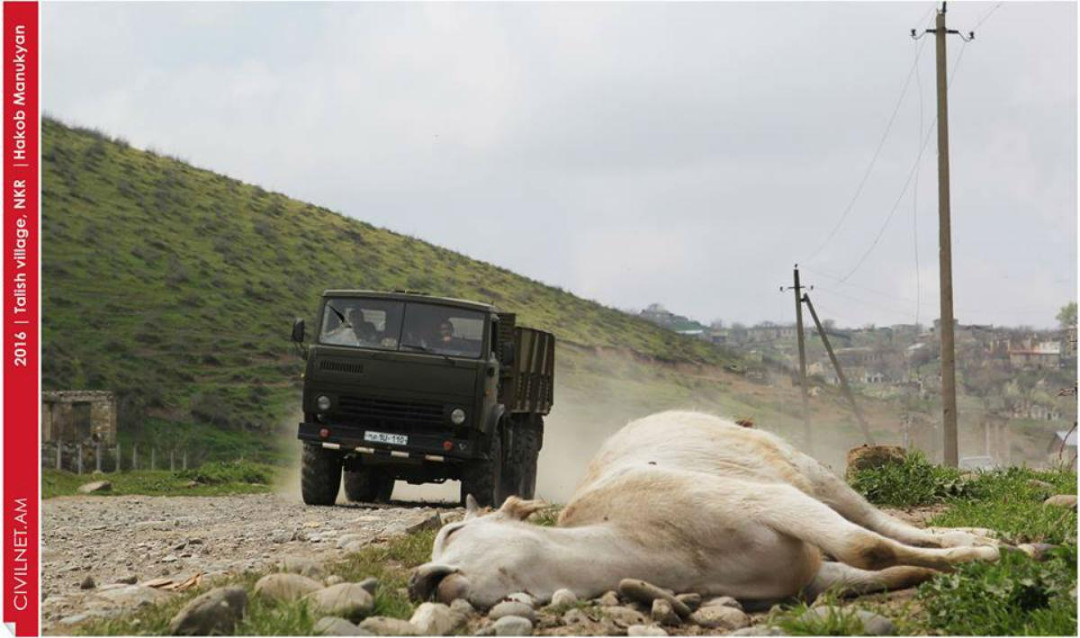
After the 4-day war in April 2016 in NK, which claimed about 200 lives on all sides, including civilians, the prospects for peaceful settlement of conflict in the short-term perspective seem extremely unlikely for many in Armenia, Azerbaijan and NK. Despite the fact of activation of the efforts by the OSCE Minsk Group co-chair countries, particularly Russia, to bring the parties to conflict together for another round of negotiations in the aftermath of the 4-day war, there are still plenty of issues without tackling which, it will be impossible to conceive the possibility of framework peace agreement to be agreed. The parties to conflict consider any move for compromise as a threat to security, to highlight one: Armenians refuse to discuss the retreat from the territories adjacent to NK without solid guarantees for the future status of NK, Azerbaijanis refuse to consider any idea for confidence-building measures, such as, for instance the incident investigation mechanisms along the line of contact, considering this as a move to sustain the status quo.
Among the issues to be addressed before signing a sustainable peace agreement is the lack of peace and conflict education providing an answer to the above “where are they, where do they want to go?” question. To make this a real issue of discussion within Armenians and Azerbaijanis, civil society and grassroots actors have to be engaged more substantially in the peacebuilding efforts to pave the way to peace aiming at transformation of conflict through bottom-up activities. As things stand today, any discussion of compromise inside the societies, in particular in Armenia and NK is considered as a “treacherous” move by the large nationalistic groups and media, including some internet media. Peacebuilding is perceived as the “loser’s” strategy, which makes own party weaker and less capable of “winning” the conflict. The perception is significantly tied around “zero-sum” mentality: “my victory implies your loss, no space for compromises”. It is not possible to organise meaningful discussions around such issues as mutually acceptable compromises, prospects of peace, and war, cost of conflict, war and peace, etc., not least because of the fact that discussing such issues requires knowledge, information and “safe heavens” not to feel estranged and instantly labeled a “traitor” for those who are wiling to change the context. Therefore, it is important that people understand what is peacebuilding, what is conflict transformation, what could the future peace look like, why critical thinking is crucial in conflict transformation, how media frames the conflict, what civil society and grassroots can do in peacebuilding, who is “the peacebuilder”, etc.
In other words, Track Two activities are the key to NK peace process. The focus of such work should be:
- education and training programs with an aim to provide knowledge and information on conflict transformation and peacebuilding;
- application of the methodology of critical thinking in the attempt to understand the other side and enhance own analysis of conflict and peace;
- “peace envisioning” discussions on how to build harmonious relations with the other side in the current state of affairs; and finally
- identification of initiatives aimed at dialogue between the parties to conflict addressing issues of mutual concern, including security, human rights, identity, economy, etc.
Civil society efforts at this stage should aim for addressing the conflict mostly within the societies, they should continue despite significant problems for peacebuilders in the region and the “looming war mood” among many in the society. Mostly thanks to previous such efforts civil society activists and leaders still have a chance to discuss conflict developments and the ways to move toward peace. Within such activities Eurasia Partnership Foundation’s Conflict Transformation School is one of the mechanisms to provide a platform (“safe heaven”) for young people to assess the conflict, study peacebuilding as well as the peace process, explore the prospects for future peace, suggest innovative ways of conflict resolution and conflict transformation.
For EPF and other local and international peacebuilding actors it will also be important to clearly formulate and set the agenda of Track Two peacebuilding activities widening the scope of people potentially willing to promote peaceful transformation of conflict and deepening the frames of activities aimed at tackling sensitive issues of compromises and future coexistence between conflicting societies.
The author is the Cross-border program manager at the Eurasia Partnership Foundation (EPF)

 Stories