 Civilnet
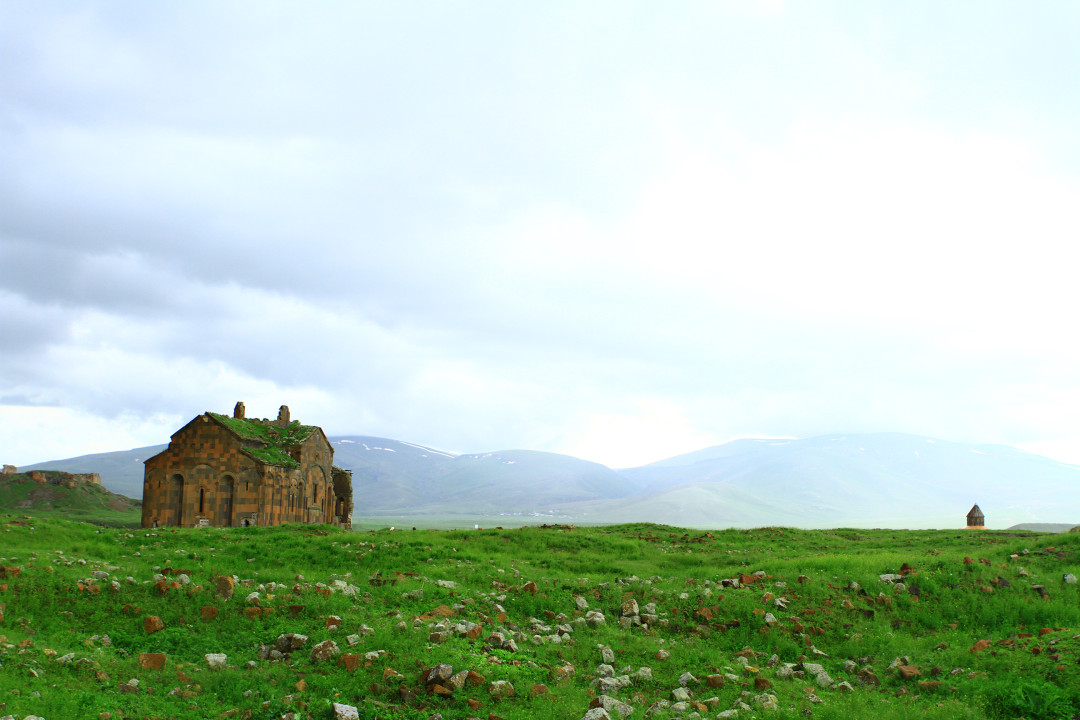
 The 40th session of the UNESCO committee opened on Sunday in Istanbul. Over 10 days, the summit is set to consider 27 sites nominated to be added to the List of UNESCO World Heritage Sites and review the state of conservation of 108 sites already on the list.
The new nominations include nine new natural sites, 14 cultural sites and four mixed sites (i.e. both natural and cultural).
Ani, the historic capital of the Bagratid Armenian kingdom, also known as the city of 1001 churches, is the only cultural site in the territory of today's Turkey nominated to become a UNESCO Heritage site.
In UNESCO Director-General Irina Bokova’s words, World Heritage embodies a revolutionary idea, the idea that people of all cultures and faith can unite around outstanding universal value. When a World Heritage site is destroyed anywhere in the world, we all suffer, we are all diminished, even if it is from another region, another period, another culture. “What is at stake here is more than adding new sites on a list. It is about reaffirming human values and human rights. It is about healing wounded memories, harnessing heritage to regain confidence, to recover and look into the future,” the Director-General added.
 So far, the cathedral and churches of Echmiadzin and the archaeological site of Zvartnots, the monasteries of Haghpat and Sanahin, monastery of Geghard and the upper Azat Valley are the only UNESCO Heritage Sites in Armenia.
The archaeological site of the city of Dvin, the basilica and archaeological site of Yererouk, the monasteries of Tatev and Tatevi Anapat and the Noravank monastery are on UNESCO’s Tentative List of World Heritage Sites.
Photos by Sargis Bulghadaryan





 Stories