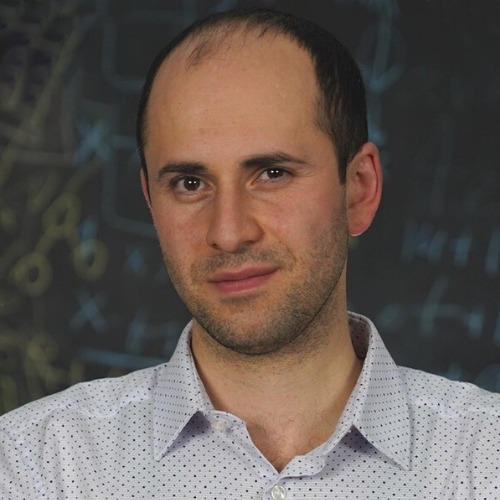
 Gevorg Tosunyan
By Gevorg Tosunyan
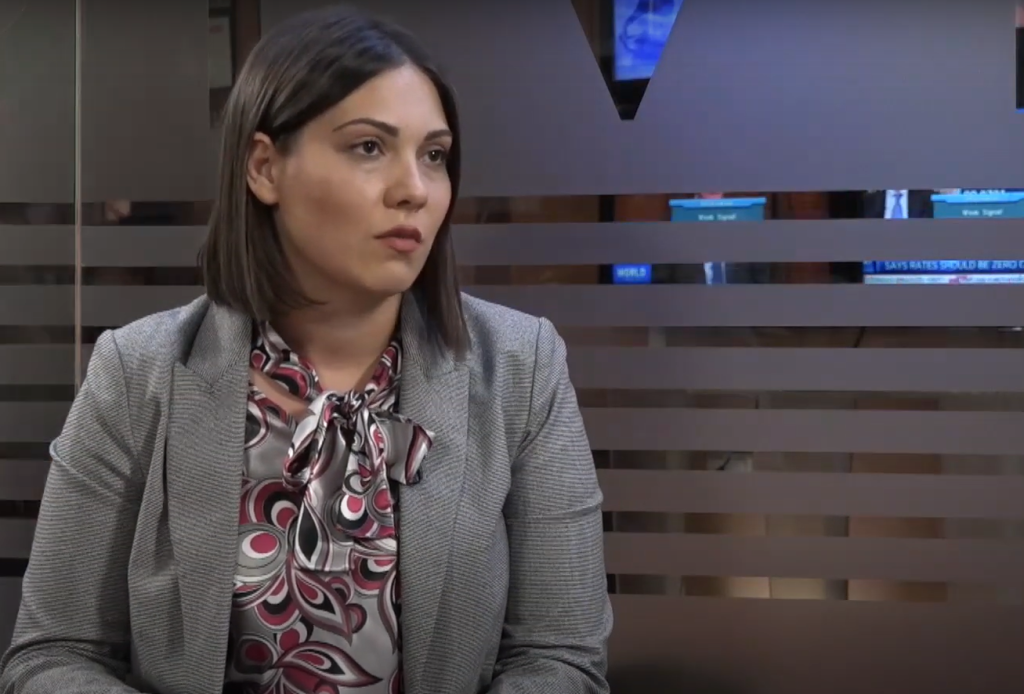
Deputy Prosecutor General Srbuhi Galyan's nomination for Minister of Justice highlights both progress and persistent gender imbalances in Armenia's institutions.
Recent progress
The ruling Civil Contract party's nomination of Galyan follows several precedent-setting appointments. In June 2022, Anna Vardapetyan became Armenia's first female Prosecutor General. In 2023, Kristinne Grigoryan was appointed to lead the newly established Foreign Intelligence Service, while Anahit Manasyan currently serves as Human Rights Defender, becoming the second woman to hold this role, following Larisa Alaverdyan.
However, major security institutions remain male-dominated. The National Security Service has maintained an all-male directorship throughout its 100+ year history. The Investigation Committee and Anti-Corruption Committee, though newer institutions, continue this pattern with exclusively male leadership.
Representation in government
The executive branch shows minimal female representation at top levels. Among 15 cabinet members, only two are women, with Galyan potentially becoming the third. As of 2022, women held just 18% of minister and deputy minister positions.
The National Assembly presents a more complex picture. While women now comprise 36% of members, up from historical lows, this improvement largely stems from mandatory gender quotas. The quota increase from 5% to 30% has driven this major shift.
Current representation stands at 36% (26 women) in the Civil Contract party, 38% (11 women) in the Armenia Alliance, and 33% (2 women) in the I Have Honor faction.
In the judiciary, women hold 31% of positions overall but only 11% of Constitutional Court seats, demonstrating continued underrepresentation at the highest judicial level.
Representation in law enforcement
The police force exemplifies persistent gender imbalances. Women constitute just 9% of officers, though they hold 29% of leadership positions—a disparity that raises questions about recruitment versus promotion practices. The Ministry of Internal Affairs has only one female deputy minister, Arpine Sargsyan.
Representation in education
The education sector presents a notably different yet equally troubling gender imbalance. Women make up 99.5% of preschool educators and 89% of general education teachers. Teaching remains a heavily feminized profession often associated with lower pay and prestige despite its social importance.
Armenia's leadership landscape shows a mixed picture of progress and stagnation in gender representation. While many women have broken through into historically male-dominated positions, systemic barriers persist. The data suggest that achieving genuine gender balance remains a distant goal. Recent high-profile appointments, while significant, have yet to indicate broad institutional change across government sectors.

 Stories