 Gevorg Tosunyan
Ahead of Armenia's June 7 parliamentary election, several little-known polling organizations have emerged, publishing data that critics say is intended to shape public opinion. CivilNet examined these groups, their alleged links to Russia, and international efforts to counter similar practices.
The FOCUS center and pro-Russian narratives
One of the most prominent organizations is the Free Alliance of Euro-Asian Sociologists, known as FOCUS. The group has no official website, address, or phone number, and conducts its activities through a Telegram channel.
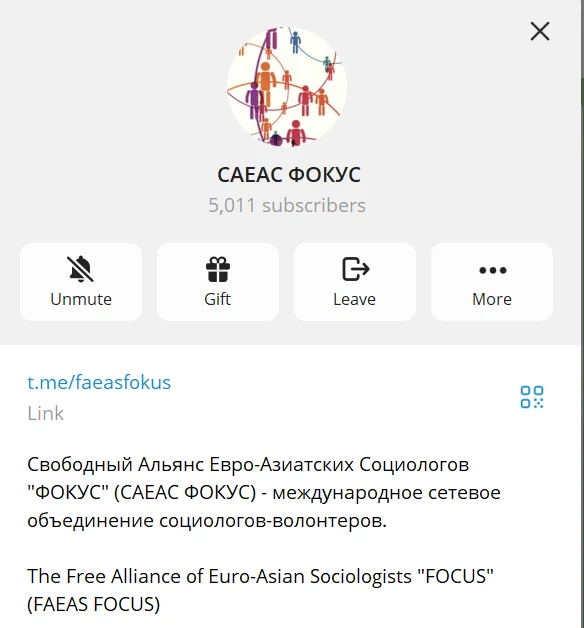
FOCUS publishes polling data that is then widely circulated by pro-Russian media outlets in Armenia, including Voice of Armenia and Arminfo, as well as a network of Telegram channels.
Its surveys consistently promote three themes:
Support for Armenia's continued alignment with Russia, including claims that 74% of Armenians favor the Eurasian Economic Union over closer ties with the European Union.
Higher ratings for specific pro-Russian political figures and opposition leaders, including Russian-Armenian businessman Samvel Karapetyan and Archbishop Bagrat Galstanyan, who led anti-government protests in 2024.
A sharp decline in support for the current government and criticism of European integration, often using informal or derogatory language. In one example, supporters of closer ties with the West were described as "lovers of lace panties."

The organization says it operates on a voluntary basis. However, experts note that conducting surveys with samples of 1,200 to 1,600 respondents over short periods requires significant financial resources and call-center infrastructure, raising questions about how such research is funded.
Commercial polling and commissioned surveys
Another trend has been the emergence of local research centers conducting private surveys for political clients.
One example is Empirica, a polling center owned by a sociology professor at Yerevan State University. The company does not publish its findings publicly, instead providing them directly to clients.
In a survey commissioned by the Strong Armenia party, led by Karapetyan, respondents were asked to choose between only two candidates: Prime Minister Nikol Pashinyan and Karapetyan. The poll showed Karapetyan receiving 41% support compared with Pashinyan's 36.3%.
At the same time, MPG, the official representative of Gallup International Association in Armenia — which is not affiliated with the U.S.-based Gallup Inc. — presents a different picture. Its latest public survey showed the ruling Civil Contract party leading with 24.3%, followed by Karapetyan's party with 13.4%.
In the run-up to the election, Armenian social media has also seen the proliferation of short-lived accounts offering small payments in exchange for participation in online surveys, a practice that undermines the reliability of the results.
Moldova's experience in tackling poll manipulation
Concerns over the use of opinion polls to influence public opinion are not unique to Armenia.
According to Andrei Curararu, co-founder of the Chisinau-based think tank WatchDog, Moldova has repeatedly faced similar tactics. He says some polling organizations claim to finance surveys themselves while concealing external funding, which can amount to 15,000–20,000 euros per poll.
To improve transparency, Moldovan experts have proposed requiring organizations that publish election-related polling to register at least one year before an election and disclose detailed financial records demonstrating the absence of hidden foreign funding, including from Russia.


 Stories