 Civilnet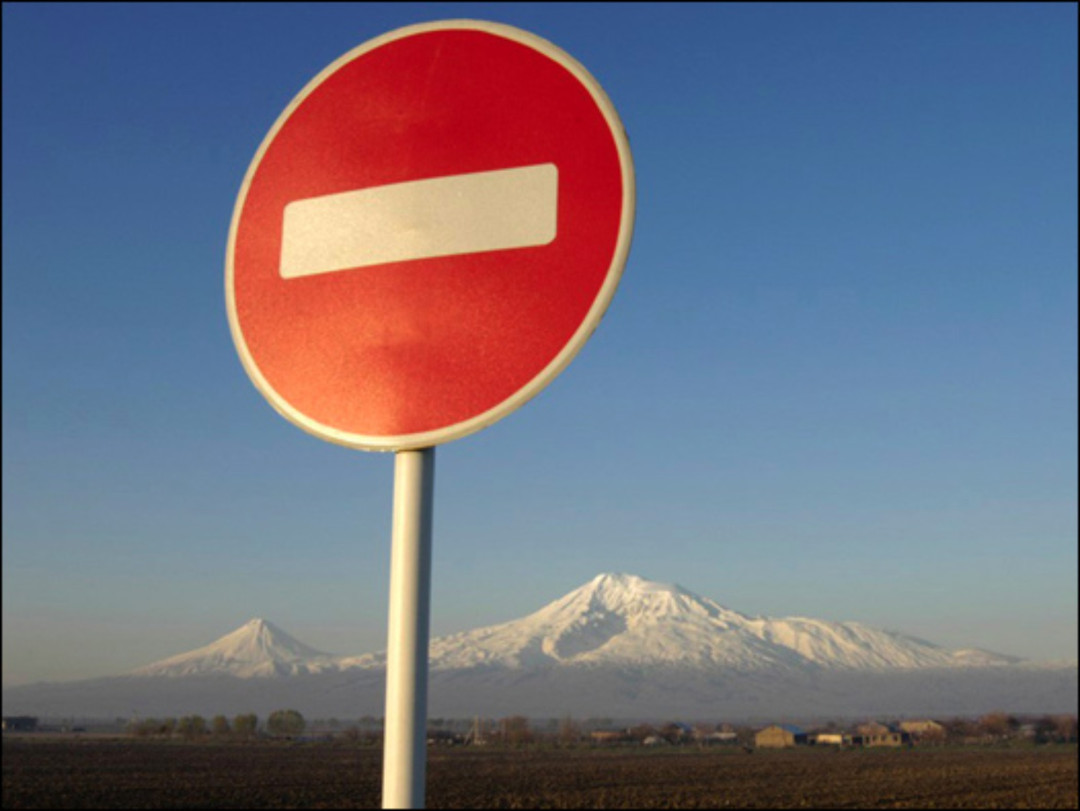
By Alexander Pracht
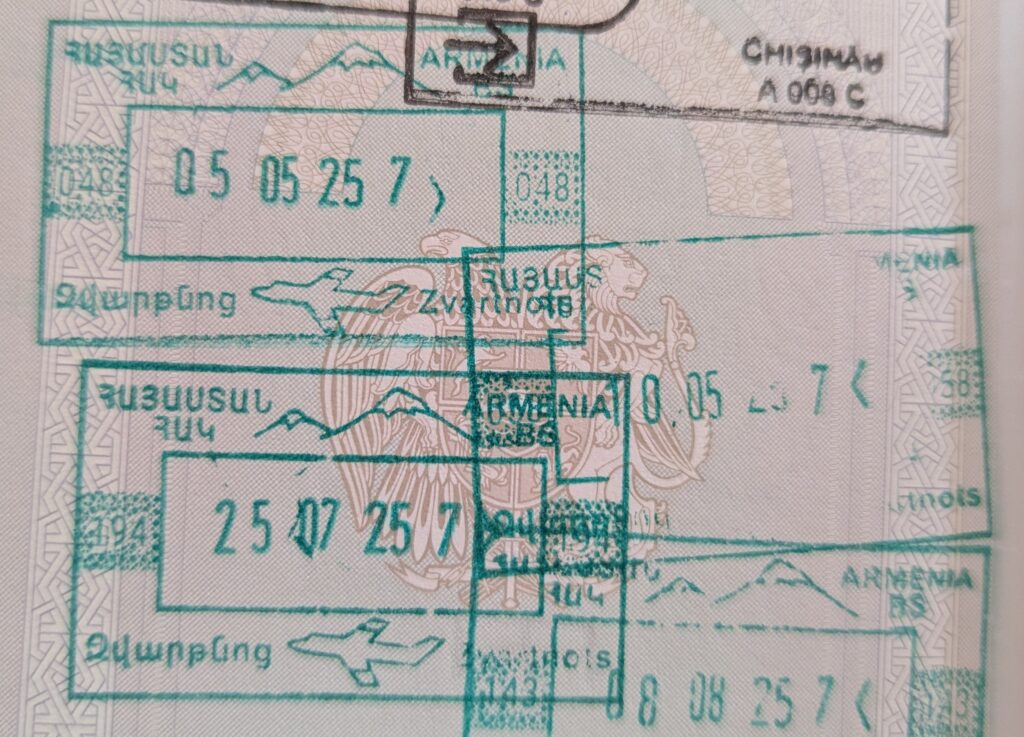
Armenia is set to remove the image of Mount Ararat from its border-crossing stamps, according to a government decree approved on Thursday. While the decision does not explicitly mention the mountain, it replaces earlier regulations that required the symbol to be included on the stamps.
The current legislation states: “In the passports of persons crossing the state border, a date-stamp [should contain] the words HAYASTAN, ARMENIA in Armenian and English, the name of the state border crossing point, the date of crossing the state border, the control number, the entry or exit indicator, stamp serial number, [...] as well as the image of Mount Ararat and the corresponding symbol of the air, railway, or automobile crossing point.”
The new decree replaces this with: “The stamp [should contain] the words ‘Հայաստան,’ ‘Armenia,’ the name of the state border crossing point, the day, month, and year of crossing the state border, the control number, the exit or entry mark, and the stamp serial number, as well as the respective emblems of the air, railway, or automobile crossing points.”
The changes will come into effect on November 1.
The symbolism of Mount Ararat has long been a point of tension between Armenia and Turkey. The mountain, now located in Turkey’s Iğdır province, was part of Armenia’s Surmalu district until 1921, when it was ceded under a treaty signed by the new Bolshevik government after Armenia’s defeat in the previous year’s war. Turkey has repeatedly objected to the use of Ararat in Armenian national symbols, including the coat of arms.
The timing of the change coincides with ongoing talks on normalization between Yerevan and Ankara. Turkey’s special envoy, Serdar Kılıç, visited Yerevan on Friday for normalization talks. Although Armenia and Turkey recognize each other, they have lacked diplomatic relations since the early 1990s, when Turkey backed Azerbaijan in the Karabakh conflict and closed its border with Armenia.
Armenia’s government is now seeking to reestablish ties and reopen the frontier, at least initially for third-country nationals, with the goal of boosting trade and gaining a land connection to Europe through Turkish territory.


 Stories