 Civilnet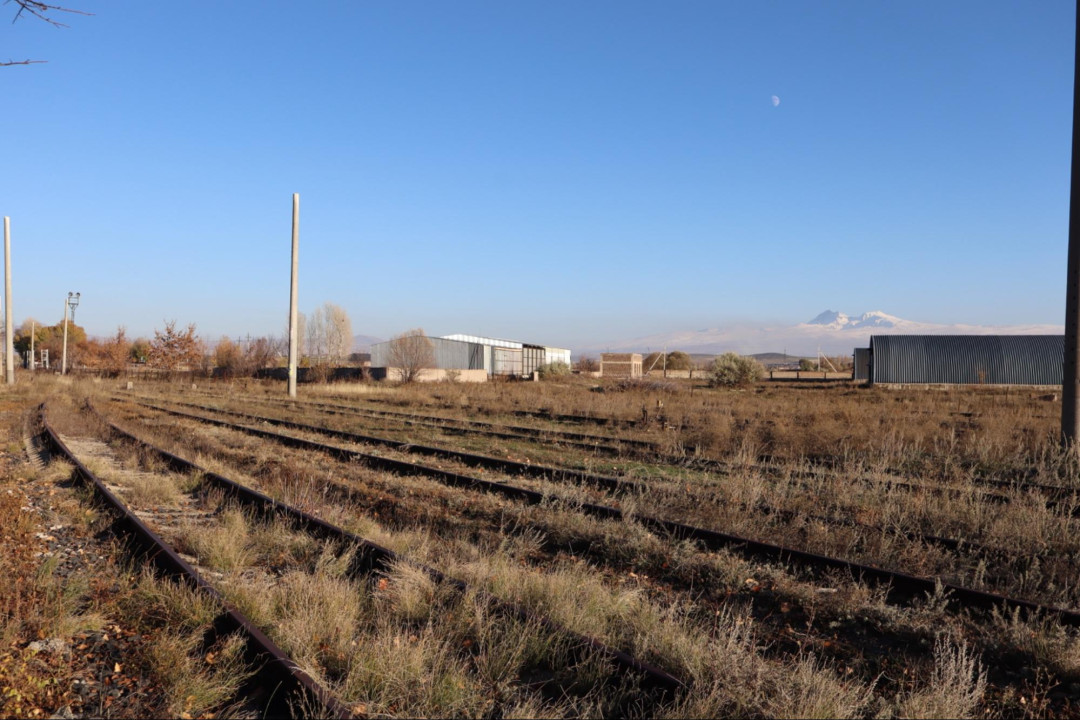
By Martina Sanna
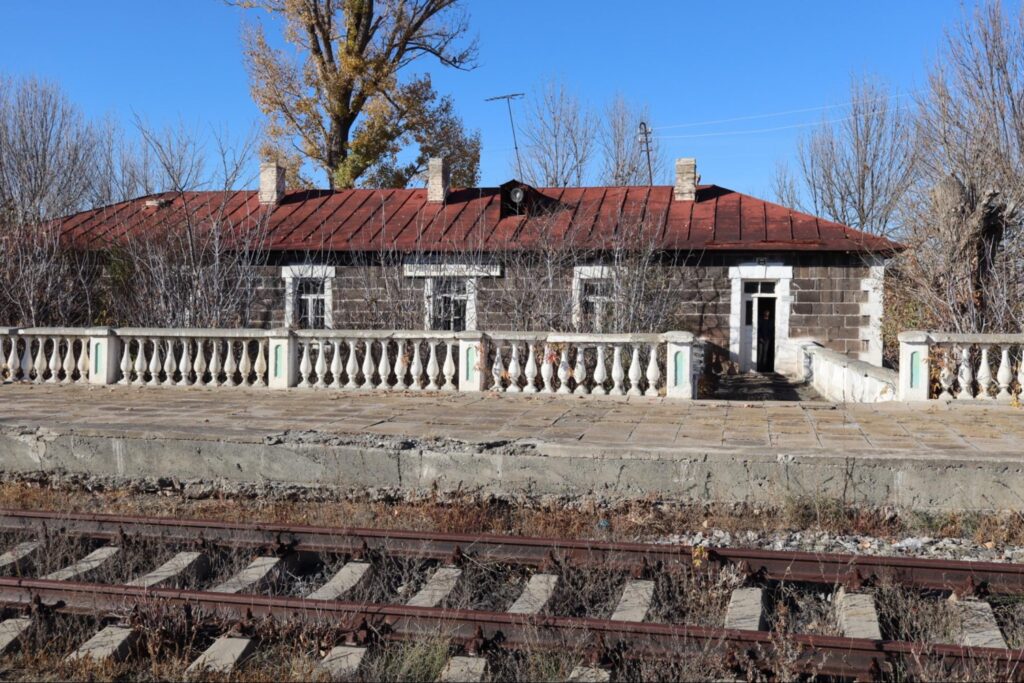
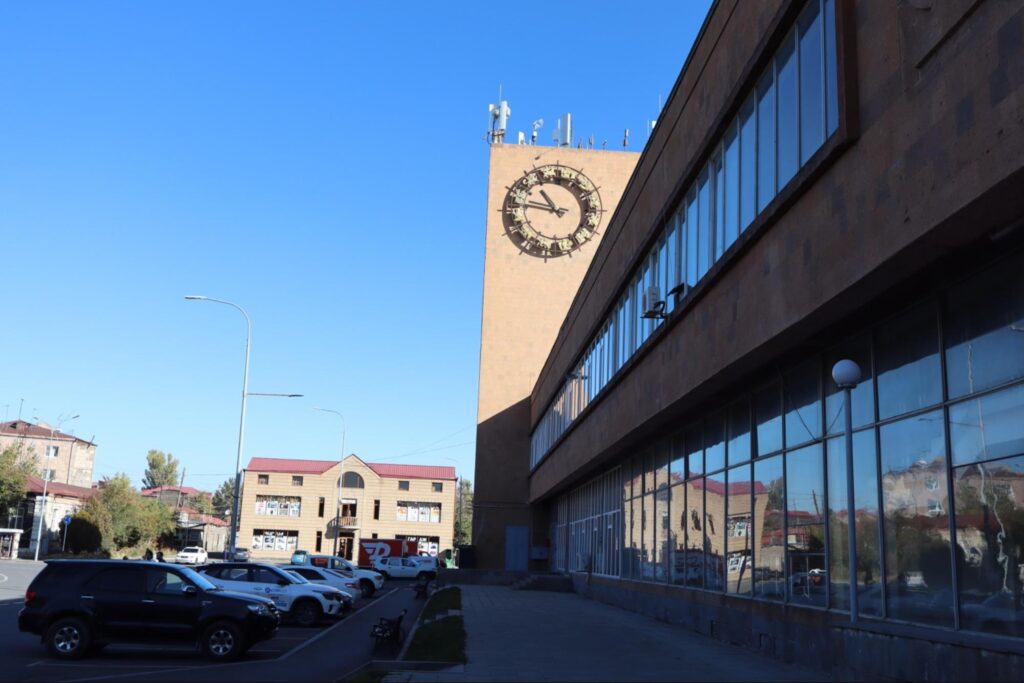
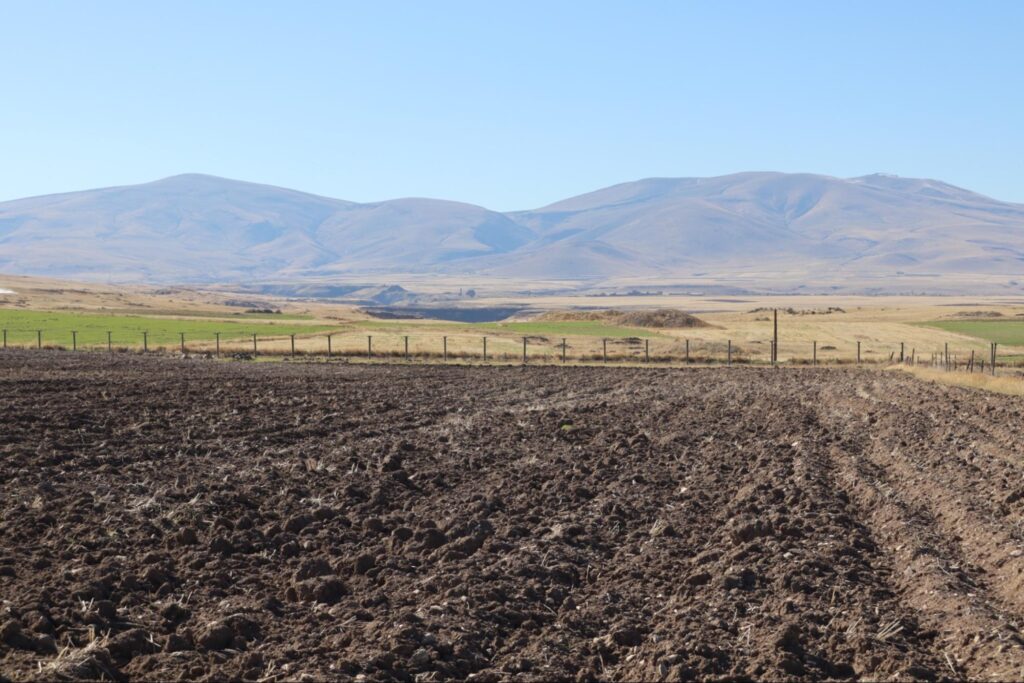
The trails are covered in grass, but the small structure nearby, standing alone under the gaze of Mount Aragats, is in surprisingly good condition. When arriving at the Akhuryan train station in Armenia’s Shirak province, less than 10 km from Gyumri, one wonders whether the surrounding natural beauty is a result of the station's inactivity for more than three decades.
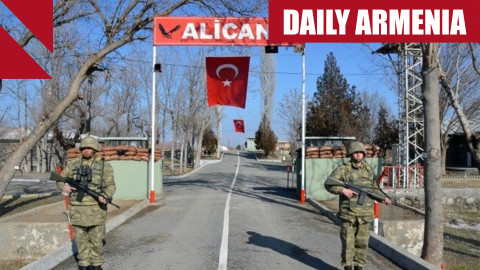
Before closing business in 1993, when the Turkish government unilaterally sealed its border with Armenia, the Akhuryan station was the first Armenian stop in the Gyumri-Kars railway. It is located less than seven kilometers from Turkey’s border.
Last October, Vice Speaker of Armenia’s National Assembly Ruben Rubinyan announced the start of Turkey-Armenia discussions to reopen the railway. If successful, the negotiations could lead to a historic border reopening.
The Kars - Alexandropol (Gyumri) - Tbilisi railway was completed in 1899, at a time when both Kars and Alexandropol were territories of the Russian Empire. For most of the 20th century, it operated as the only rail connection between Turkey and what was then the Soviet Union. After Armenia’s independence from the Union in 1991, the railway remained operational on an “as needed basis,” mostly to allow the transfer of humanitarian aid from the West to Armenia, which was then in severe economic distress.
“Everything was so vibrant and alive around here, now you wake up in the morning and nobody is around,” says Karine Poleyan, a 64-years-old resident of Gharibjanyan village, located a few steps from the Akhuryan train station.
When the railway was working, the area used to be home to a couple of hundred people, but now, the Poleyans are one of the only two families left. Karine was born and raised in the village. Her father settled there after the Armenian Genocide, when the family was forced away from their native Mush, now in Eastern Turkey. Karine’s husband began working at the Akhuryan station in 1964. She herself worked there on occasion, especially after the beetroot sugar factory she was working in was destroyed by the 1988 earthquake in Gyumri and Spitak.
“At the station we were often having contacts with Turks,” Karine tells us. “I would invite them for tea sometimes. I hope that if the railway reopens, the situation will be even more active than before.”
Karine’s 18-year-old niece, also named Karine, is optimistic about a potential reopening of the railway. Even though she is now studying history in Yerevan, Karine was born and raised in Gharibjanyan, where she lives with her parents and her 15-year-old brother Manvel. They recall several visits to their village by officials and journalists over the years, especially when border reopening talks are on the table.
“Some officials came here no more than 20 days ago,” says younger Karine. “They made an inventory of the equipment and infrastructure available here at the station. We don’t remember when the last maintenance was done to the rails.”
The renovation work necessary to reactivate the Gyumri-Kars railway was discussed at the National Assembly this month. According to Armenian Foreign Minister Ararat Mirzoyan, there is almost daily dialogue with Turkish counterparts to reopen the border and the Gyumri-Kars railway. Yet, some doubt whether this is likely to occur.
“The government needs this reopening as a diplomatic win before elections,” says Professor Vahram Ter-Matevosyan, in reference to the Armenian parliamentary elections in June 2026 that will determine whether or not the current government stays in power.
Ter-Matevosyan is a professor and the Chair of the Political Science and International Affairs Program at the American University of Armenia. He is a native of Gyumri.
“They want tangible results before the elections, to tell people that they got what they wanted,” he tells Civilnet.
Despite the current government’s eagerness, the reopening of the Gyumri-Kars railway seems unlikely to occur before the elections in June 2026. According to a rough estimation made in May by the Ministry of Territorial Administration and Infrastructure, $32 million will be necessary just for the repair of the Armenia section of the railway.
In response to an inquiry from CivilNet, the Ministry said there is no further update on whether this budget has already been allocated or if a timeline to start the renovation has been established.
“They are not doing anything they promised here, so I don’t think this will happen,” says Karen Gevorkyan, a 46-year-old school principal in Haykadzor, another Armenian village on the border with Turkey. He was born and raised in the village, but his family came from Western Armenia, just like the Poleyans from the Akhuryan station.
“We don’t imagine that the border can be opened,” he says. “Because we cannot live with them.”
The younger generation, however, shares a different attitude towards the reopening of the railway and the Turkey-Armenian border. The grandkids in the Poleyan family near Akhuryan appear more optimistic about the future.
When asked if she would cross the border to the Turkish side, Karine replies positively. “Of course I would go, it is my dream,” she said. “I would like to go back and see all the old Armenian landmarks, our churches are still there.”

 Stories