 Alexander Pracht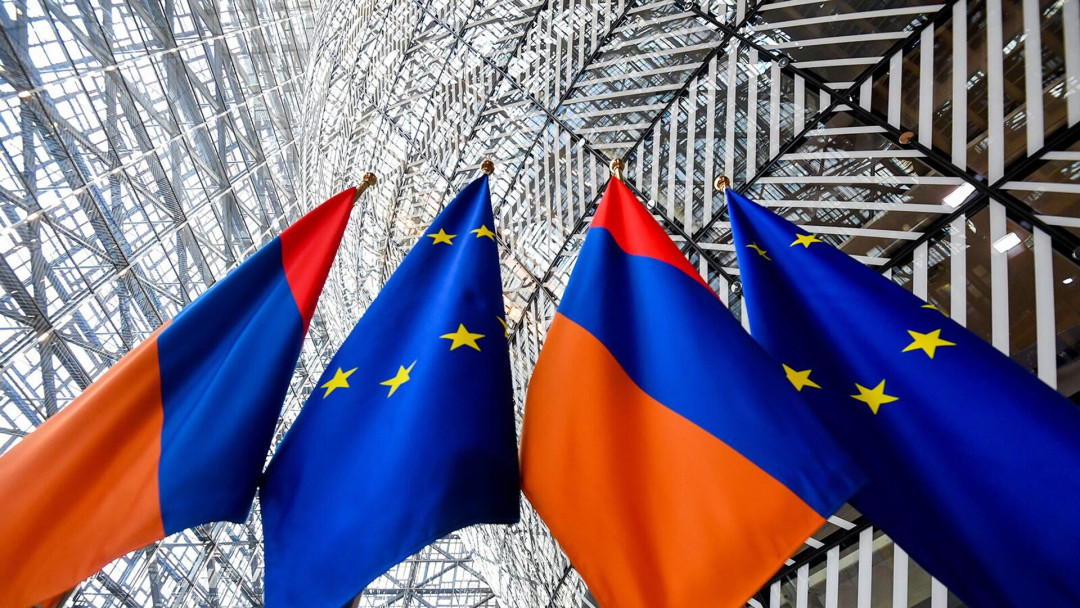
The European Union has approved about $24 million in non-lethal military assistance to Armenia under the European Peace Facility (EPF), the Council of the EU announced on Thursday. The aid package had been proposed in March but was delayed for months due to Hungary’s veto.
Hungarian Foreign Minister Péter Szijjártó confirmed in May that Budapest had been blocking the decision, arguing that Hungary was not opposed to assistance for Armenia as such, but insisted that Azerbaijan should receive the same amount of aid. Hungary reportedly lifted its objections following diplomatic consultations and behind-the-scenes negotiations, though it is unclear whether it received any concessions for aid to Azerbaijani.
This is the EU’s second military assistance package for Armenia and is twice the size of the earlier allocation approved in July 2024. That package focused on logistical support for the Armenian armed forces and had also initially been blocked by Hungary before eventually being adopted.
Unlike traditional EU aid mechanisms, the European Peace Facility allows funding for military and defense-related support, including training, equipment, and infrastructure. Established in 2021, the EPF is designed to assist partner countries facing security challenges. The 2024 package for Armenia included a deployable tent camp for a battalion-sized unit and was aimed primarily at improving logistics and enhancing civilian protection.
Hungary’s opposition reflects its broader foreign policy stance. Prime Minister Viktor Orbán’s government maintains close ties with Azerbaijan and Turkey and is generally aligned with Russia. Budapest has repeatedly blocked EU and NATO initiatives in support of Ukraine, which has been resisting Russia’s full-scale invasion since early 2022, and has opposed several rounds of sanctions against Moscow.
Relations between Armenia and Hungary were severed in 2012 after Budapest extradited Azerbaijani officer Ramil Safarov, who had been convicted of murdering Armenian serviceman Gurgen Margaryan during a NATO training program in Budapest back in 2004. Safarov was pardoned upon his return to Azerbaijan, prompting Armenia to cut diplomatic ties. Relations were formally restored in late 2022, though the two countries have yet to open embassies.

 Stories