 Civilnet
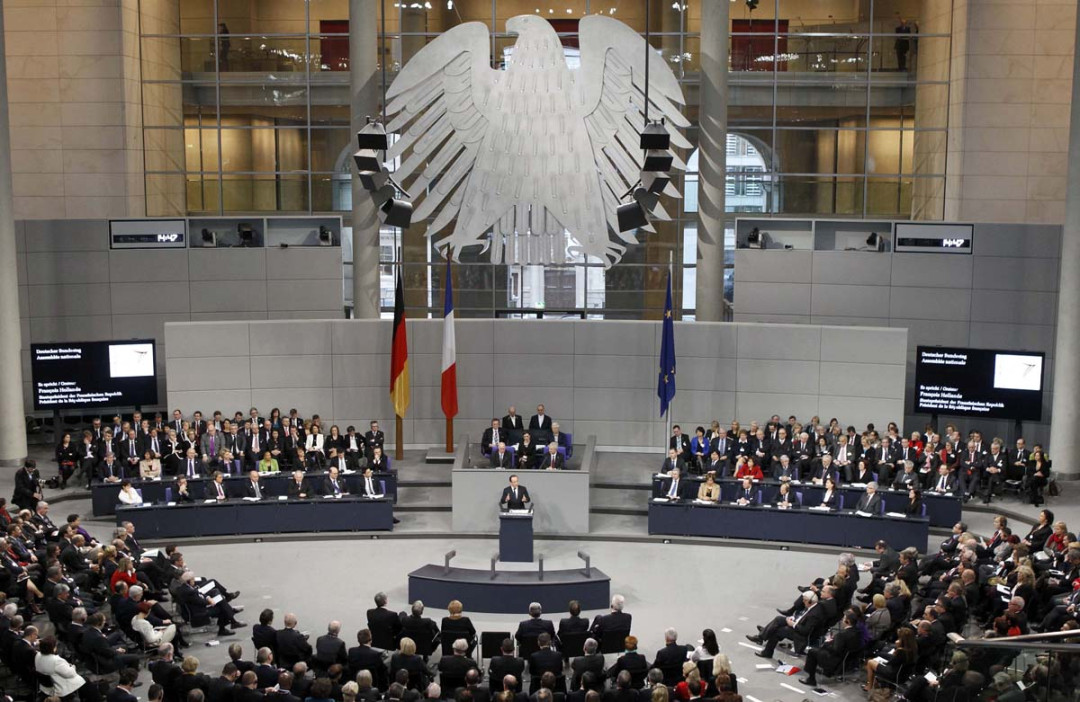
 German Bundestag.
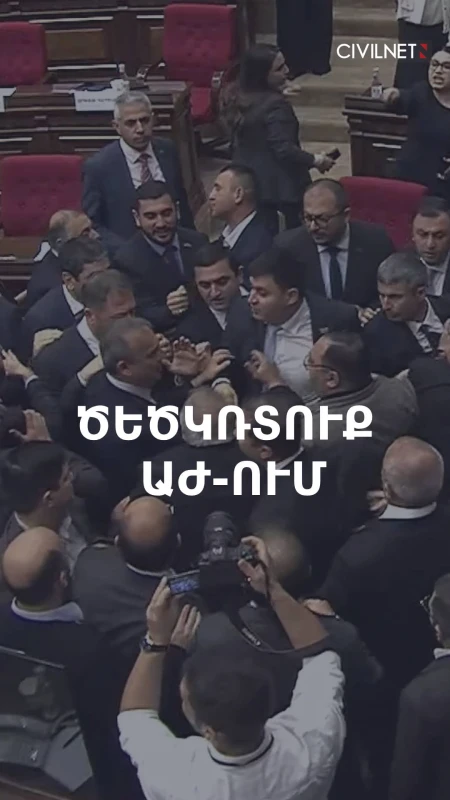
The German Bundestag will hold a one-hour debate on April 24, the anniversary of the start of the Armenian Genocide according to the German Der Tagesspiegel.
The paper says that a dispute over an appropriate commemoration shortly before the 100th anniversary of the Armenian Genocide has surfaced in the Bundestag. While the Green Party and the Left want any final resolution from that debate to include the word Genocide, the coalition composed of the socialist SPD and Angela Merkel’s CDU (Christian Democratic Union) have made clear their concerns about antagonizing Turkey, who continues to deny the Genocide.
An informal working group of politicians representing the parliamentary groups has been discussing how to deal with the anniversary. Cem Ozdemir, Chair of the Greens and Petra Pau of the Left Party have made it clear that their factions will call it a Genocide. However, the CDU and SPD have said that a resolution passed by the Bundestag a decade ago in 2005 should be upheld. That resolution, titled “Remembrance and commemoration of the expulsion and massacre of the Armenians in 1915 - Turkey must contribute to the reconciliation between Turks and Armenians” refrained from using the word genocide.
In a joint text formulated late last week, the word genocide was included in the title but after the leaders of the factions of the coalition and the Foreign Office got involved, the word disappeared. Apparently, the general consensus is that it is an inopportune time and feared that Turkey would consider this an affront, according to the German newspaper. Their concern stems from upcoming elections in Turkey in June and that Turkey’s involvement in the fight against the Islamic State is necessary. The issue will be discussed among the coalition members on April 21 to agree on a final text.
Turkish-born Cem Ozdemir, has been critical of the federal government for not having the fortitude to call it a genocide 100 years later. He said, “The Federal Republic is the legal successor of the German Empire and at the time,the closest ally of the Ottoman Empire, therefore shares in the responsibility.” He went on to say that as the Ottoman Empire’s military ally, Germany was aware of the deportations and killings of the Armenians but failed to exercise any pressure on the Turkish leadership.
In an interview with CivilNet on March 18, Cem Ozdemir had said, “As you know, Germany was on the same side as the Ottoman Empire at that time and we somehow became an accomplice. Therefore, we also have obligations in this regard, to commemorate and pass the memory on to the next generations.”
Dietmar Nietan of the SPD has found his party’s position unfortunate. “Personally, I am disappointed at the lack of courage to say what really happened,” Neitan said and added that he didn’t think it was beneficial to bow to Turkish pressure. “If the German Parliament uses the word Genocide openly, we would be aiding in strengthening those in civil society in Turkey.”
CDU politician Christoph Bergner said that the Armenian case was pivotal in the drafting of the UN Convention on Genocide and that Germany “should try to clearly identify the proper dimension of the events that took place 100 years ago.”
The German Foreign Office has said, however that a "culture of memory" should not be imposed from outside. Michael Roth, the German Minister of State for Europe said that they welcome the fact that it is no longer a taboo to talk about the “infinite suffering resulting from the deportation and murder of Armenians” in Turkey.


 Պատմություններ