 Alexander Pracht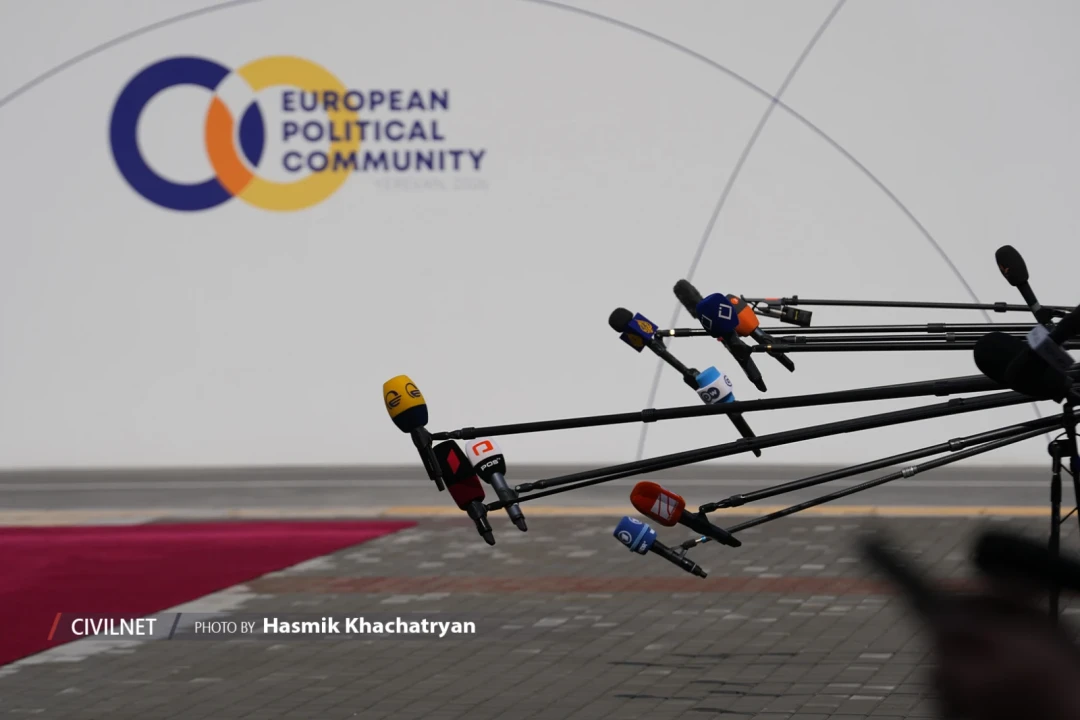
By Alexander Pracht
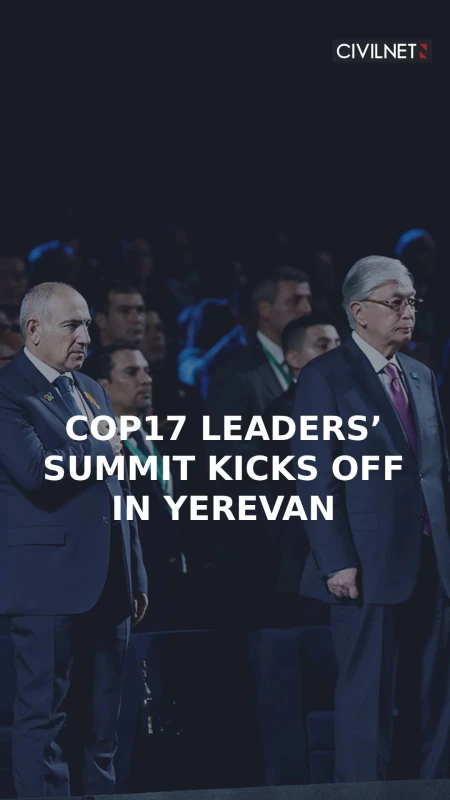
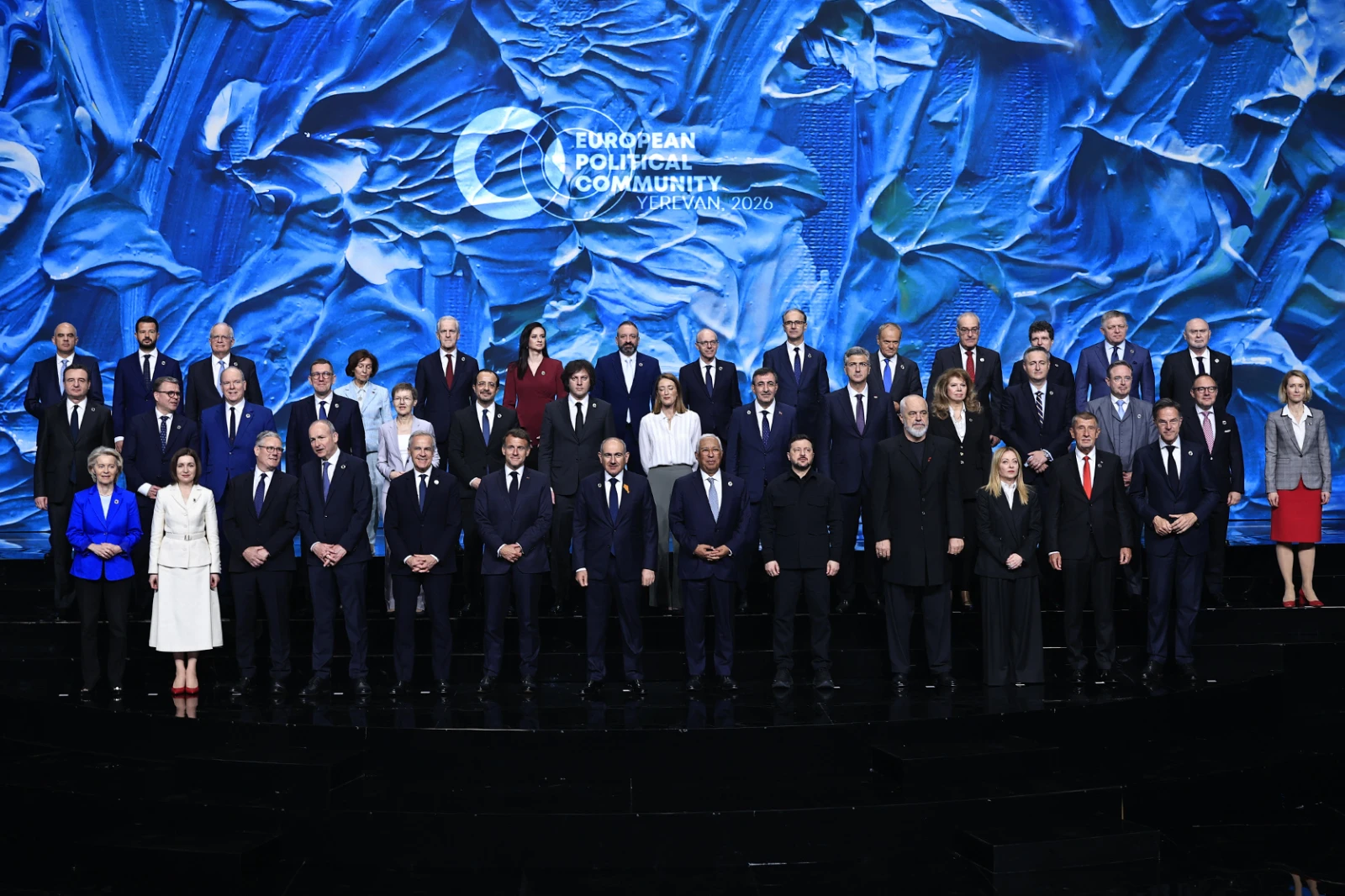
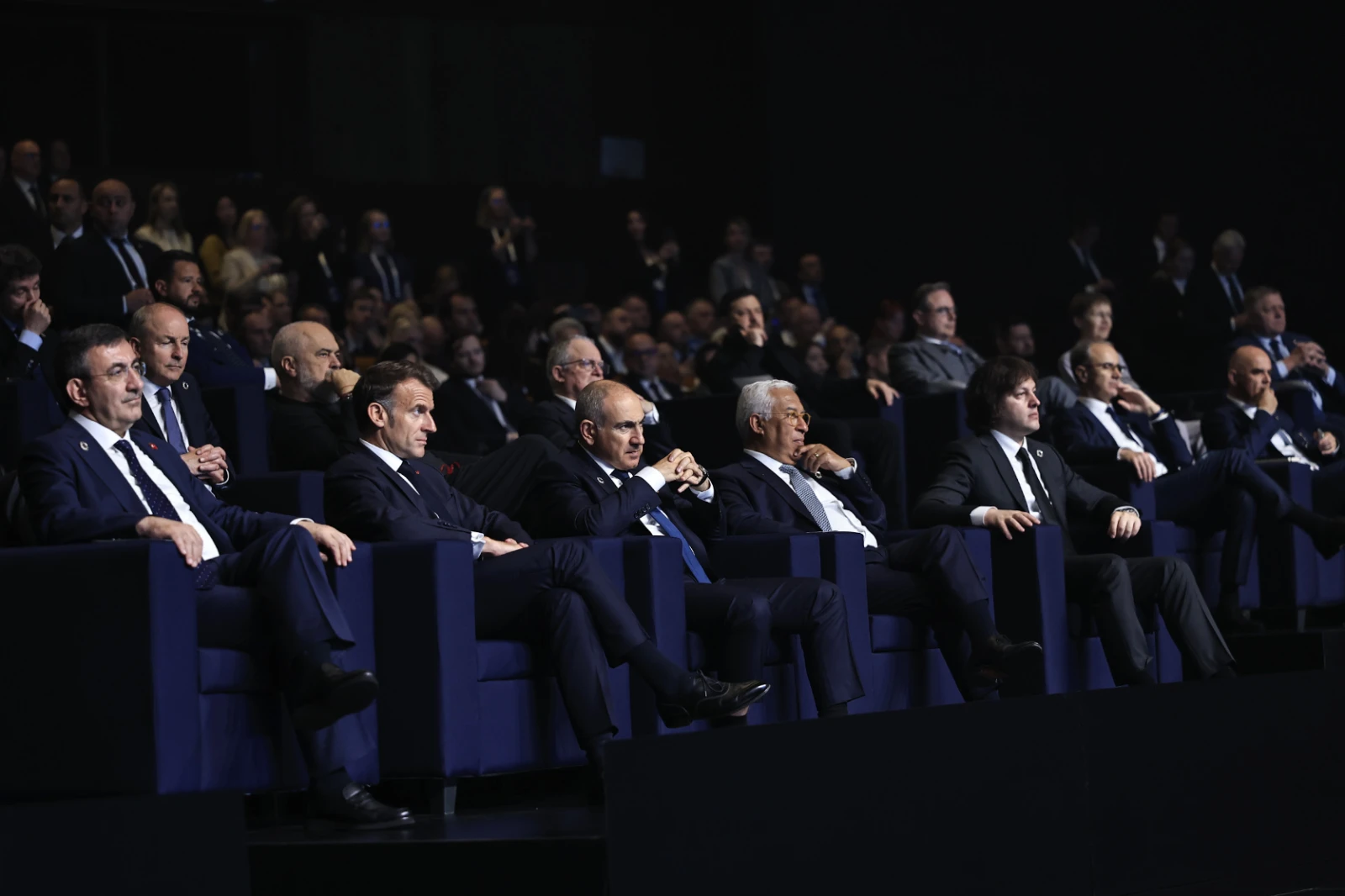
Yerevan hosted the European Political Community summit on Monday, bringing together heads of state and government from most European countries, alongside senior officials from others, for discussions on key continental issues.
Among the leaders attending were French President Emmanuel Macron, British Prime Minister Keir Starmer, and Ukrainian President Volodymyr Zelensky. The agenda included talks on European affairs, as well as bilateral meetings and agreements involving Armenia.
During the summit, Armenia signed a number of agreements on diplomatic cooperation. Strategic partnership deals were concluded with the United Kingdom and Bulgaria, while a strategic dialogue agreement was signed with Croatia. A similar document upgrading Armenia–France relations is expected to be signed on Tuesday.
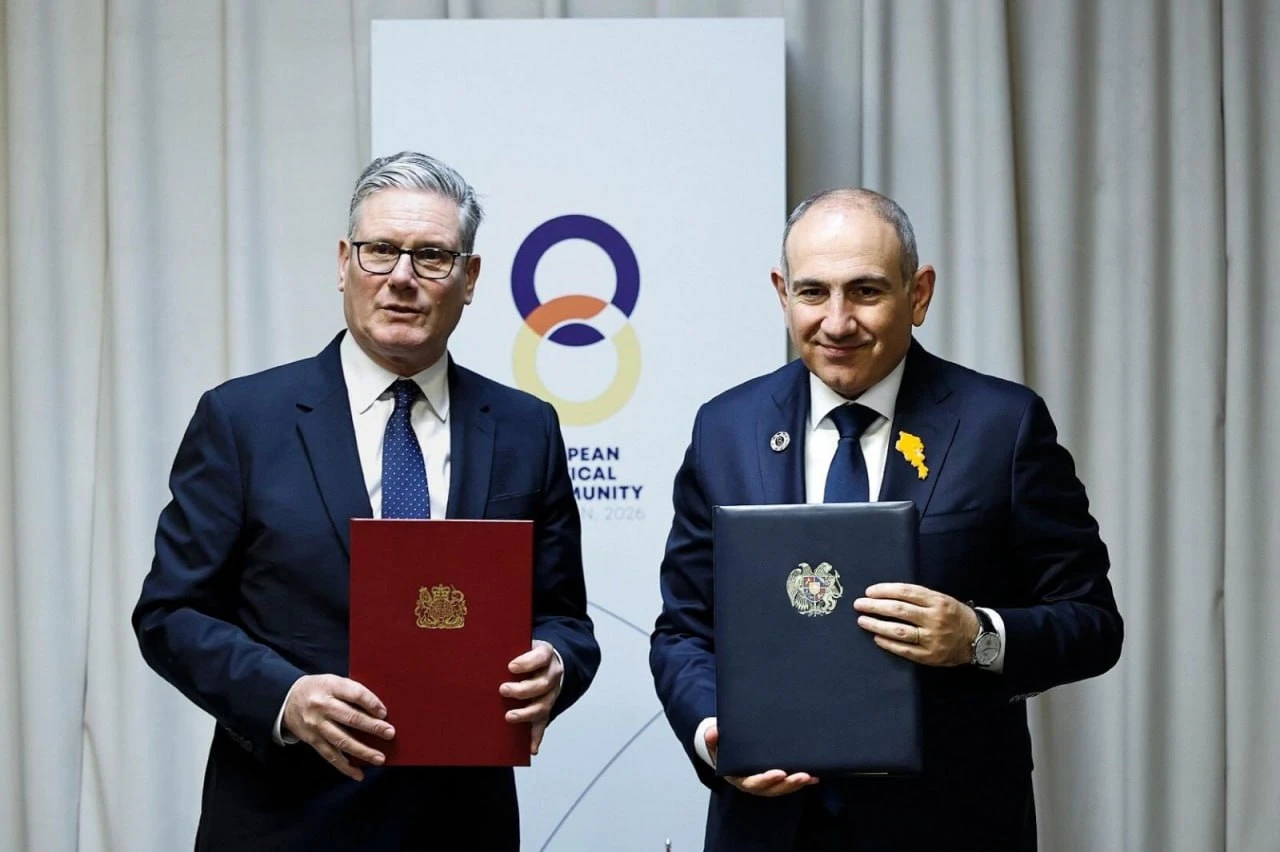
British Prime Minister Keir Starmer and Armenian Prime Minister Nikol Pashinyan upon signing the declaration on strategic partnership.
Addressing the summit, Macron highlighted the scale of international engagement with Armenia, saying: “Let’s be honest, eight years ago, no one would have come here… this country was seen by many as a de facto satellite of Russia.”
In addition to holding multiple meetings with European leaders, Prime Minister Nikol Pashinyan met with NATO Secretary General Mark Rutte, OSCE Secretary General Feridun Sinirlioğlu, and Canadian Prime Minister Mark Carney.
The European Political Community is a pan-European forum launched in 2022 that brings together EU and non-EU countries to coordinate on political, security, and economic issues across the continent twice each year.
A separate high-level meeting titled the EU–Armenia summit was held on Tuesday, with Pashinyan hosting European Union leadership, including European Commission President Ursula von der Leyen and European Council President António Costa. The discussions focused on the EU–Armenia agenda, including visa liberalization and EU support for democratic reforms.
“Our cooperation with the EU is very important… from ensuring judicial independence to addressing various, including hybrid, challenges,” Nikol Pashinyan said, referring to a newly announced permanent EU mission expected to support Armenia in countering hybrid threats and election interference.
Normalization efforts between Armenia and Azerbaijan were among the key topics of the EPC summit. Azerbaijani President Ilham Aliyev did not attend in person, but delivered a video address. He highlighted recent developments in relations between Yerevan and Baku and invited European leaders to hold a visit to Baku for an EPC summit in May 2028, noting Armenia’s support for the location choice.
“This is a clear indication that peace between Azerbaijan and Armenia is a reality,” Aliyev said, while also criticizing the European Parliament over a resolution adopted last week on the right of return for Nagorno-Karabakh Armenians.
Turkey was represented at the summit by Vice President Cevdet Yılmaz, who said he discussed bilateral ties and infrastructure cooperation with Pashinyan, pointing to “concrete progress” in normalization efforts. The two countries signed an agreement on Monday to restore the historic Ani bridge across the Akhuryan River on the shared border, a project that has long held symbolic importance in Armenia–Turkey normalization efforts.
Outside the Karen Demirchyan Complex, where the summit was held, several hundred demonstrators gathered to call on European leaders to help secure the release of Armenian prisoners held in Azerbaijan, support the right of return for displaced Karabakh Armenians, and assist in clarifying the fate of missing servicemen from the 2020 war.
Ahead of the summit, Pashinyan and Macron drew public attention on Sunday evening by taking a walk through central Yerevan and dining at a local cafe, an informal appearance that attracted large crowds and quickly spread across social media.

 Stories