By Olivia Law
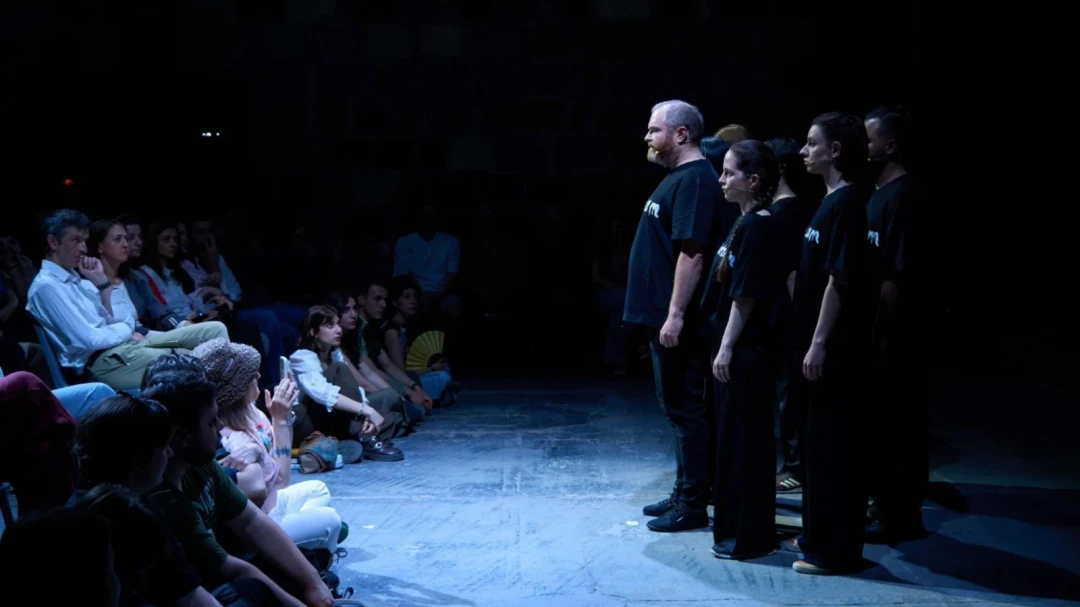
For the third time since its inception in 2022, Yerevan hosted Chronofest, a contemporary international theater festival. From May 28 to June 7, nineteen theatrical performances were put on in theaters, gardens, and street corners throughout the city.
In the words of the festival’s producer Artem Arsenian, Chronofest aims to make “theater for the people who don’t like theater.”
Where Chronotope began
The festival, directed by Ilya Moschitsky, is organized by the Yerevan-based theater group Chronotope. Officially titled the Temporary Association Chronotope, the group was founded in Saint Petersburg and toured internationally — putting on shows in Ukraine, Israel, Belarus, Scotland, and Finland. But, when Russia invaded Ukraine in February 2022, their lives changed overnight.
“All of our activities in Russia were suspended [and] funds were lost, because it’s impossible to do international festivals there,” Arsenian said.
Arsenian and Moschitsky, both of Armenian descent, decided to relocate to Yerevan, and they brought Chronotope with them.
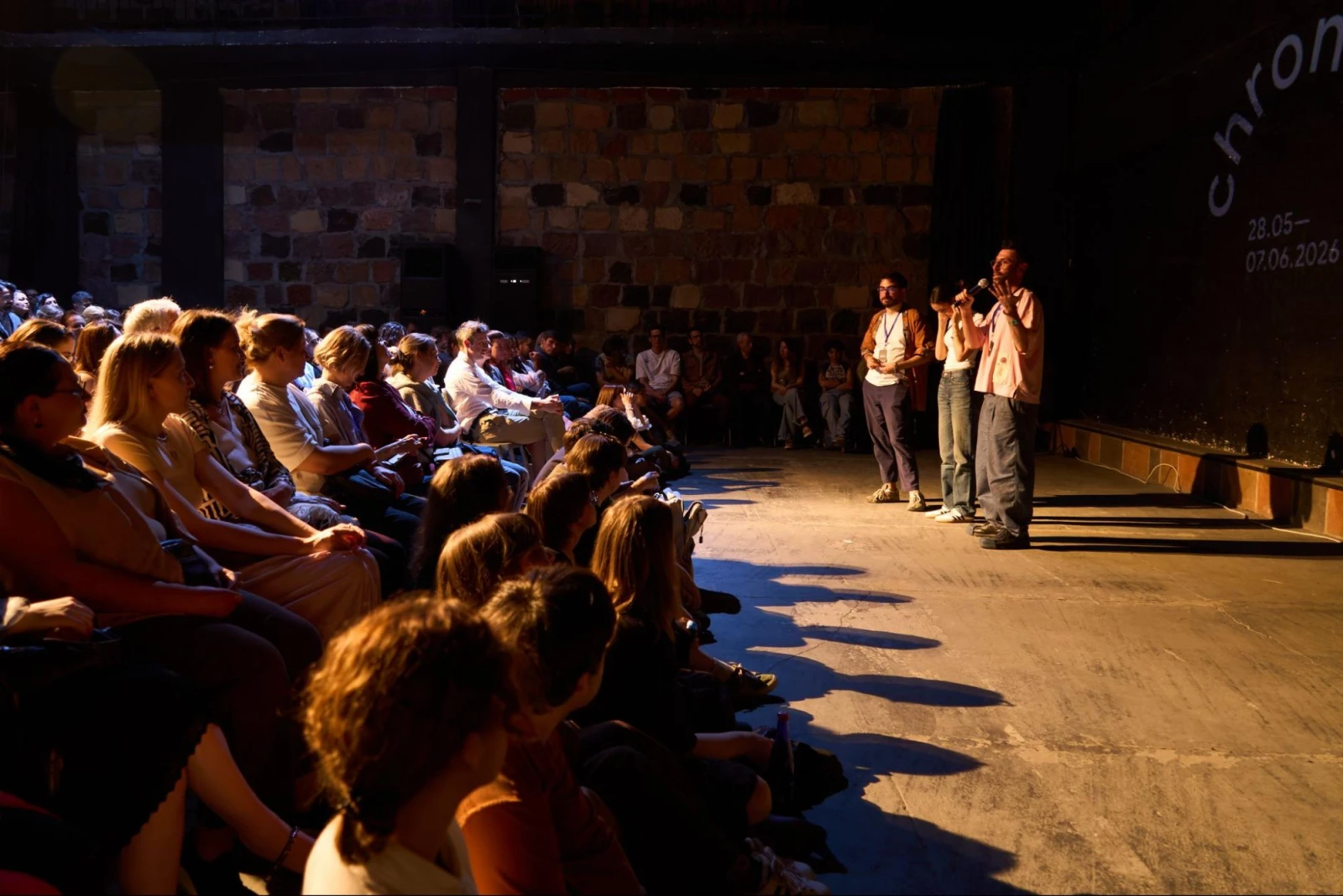
Chronotope’s form of contemporary theater was largely unfamiliar in Yerevan. However, freed from expectations, they were able to experiment much more. There is “a lot of criteria [and] a lot of ethics, taboo, [in Europe],” says Moschitsky. Additionally, in Russia, he tells CivilNet that he witnessed “the space of freedom [within theater] become smaller and smaller.”
Alexander Plotnikov, a participant of Chronofest, stayed in Russia after the invasion. “I had an idea that I can bear witness,” he shared, performing in underground theaters and trying to denounce crimes. However, with his shows forcibly closed and under threat of persecution, Plotnikov also had to leave.“I felt like it was a war that I lost,” he shared. After two and half years, he immigrated to Yerevan.
To keep their work as free and independent as possible, Chronofest resists state-funding. Instead, they sell tickets and partner with creative organizations like Hosq, Goethe Institute, and local theaters. Arsenian shares that it has still been difficult to support their productions, particularly as funding for the performing arts shrinks on a global scale. Despite these challenges, he is sure that Chronofest will continue.
“We understand in every condition, any financial condition, we will make this festival happen,” Arsenian tells CivilNet.
Proposing a new form of theater
While Chronotope brought a new form of contemporary theater to Yerevan, they hesitated to describe their theater as altering what already existed. “Changing the space is something invasive,” Arsenian says. Rather, he hopes Chronotope “proposes” something new, “giving space for different opinions and different kinds of artistic approaches,” and being open to and engaging with Armenian artists and culture.
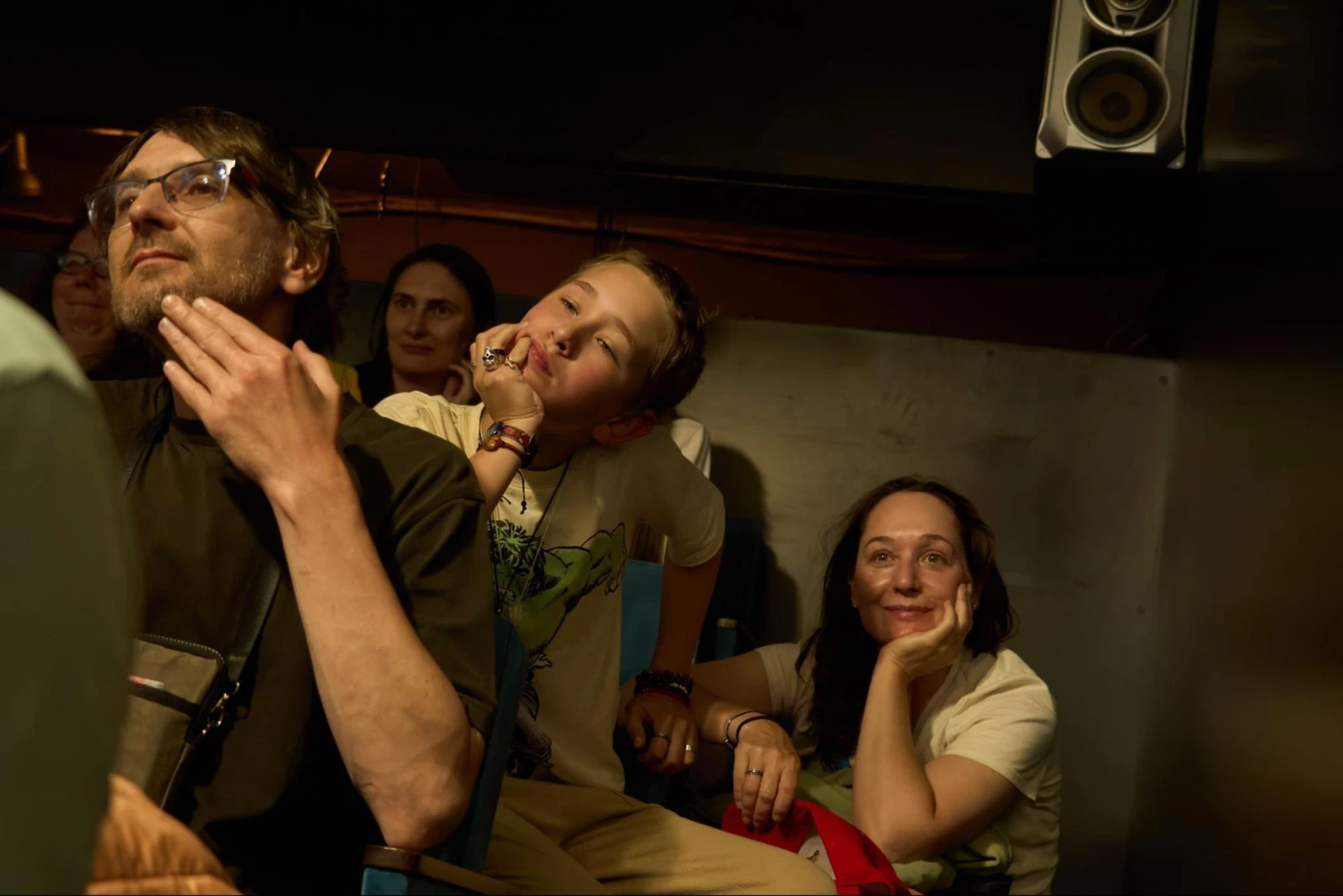
According to Arsenian, in contemporary theater, “There’s no such thing as boundaries,” including those between audience and performer. Some of Chronofest’s productions, like Moschitsky’s “Michael Craig Martin’s Oak,” take this literally, inscripting a volunteer from the crowd to join him on stage. In “Time to Smile,” audiences get involved through score cards. At one point an actress, scripted or not, jumps off the stage to confront two audience members. “Why did you give my monologue a 3?” she says, yelling and pointing her finger.
One of Chronofest’s aims is to “dismantle the passive comfort of entertainment.”
Plotnikov and art’s inherent politics
On June 3, Chronofest put on “The Book of Lamentation,” written and performed by Plotnikov. The production follows footage of his trip to Lake Van, searching for the monastery where the poet Grigor Narekatsi used to live. With the film projected behind him, Plotnikov places fragments of what was once Vaspurakan, an ancient Armenian civilization, on white tiles across the floor — it includes branches and twigs, and bricks from the base of a medieval Armenian church.
In the background, the audience watches Plotnikov as he is met with hostile taxi drivers, villagers, and Turkish police, all of whom believe the civilization never existed.
When the film ends, Plotnikov crouches down with a microphone to record the sound of each stone or branch. Music producer Shahen Khandkaryan loops each noise into a rhythm and the performance ends with a soundscape.
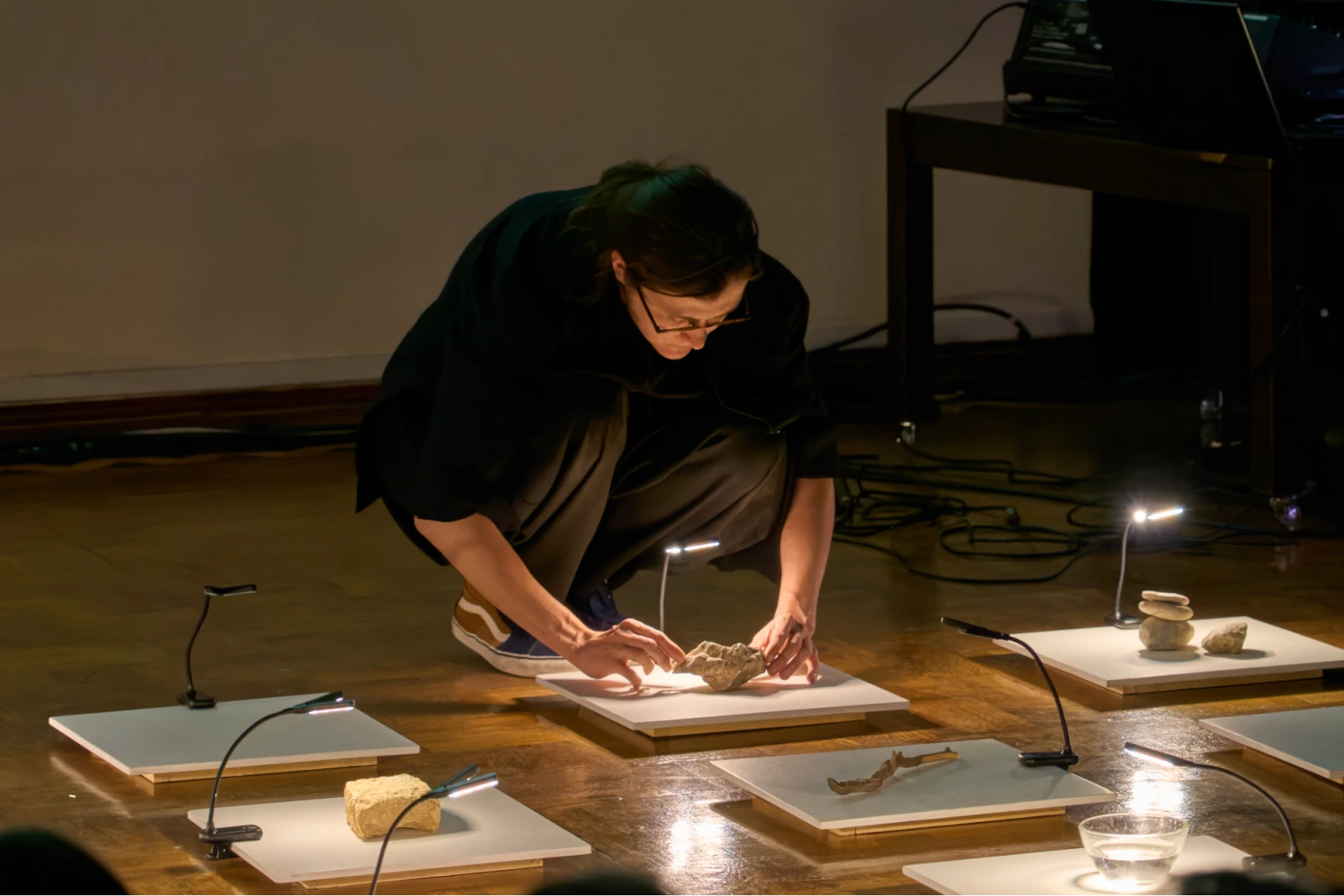
In his own words, Plotnikov works to create “theater that tries to deal with the atrocities of the past as the clue to the atrocities of today.” But to declare the festival political, for Plotnikov, “reduces the value of artistic work.”
“Art has to be political, but art can be political in a… very complicated way,” he says. Through performances that transcend borders, both literally and figuratively, Plotnikov believes the audience is learning “to be empathical for different kinds of pain [and] different kinds of problems.”
Chronofest is, at its core, an international festival. For nearly every Chronofest production, subtitles are projected on the wall. As they switch languages, the translations change, sentences flashing between English, Russian, Armenian, and Persian.
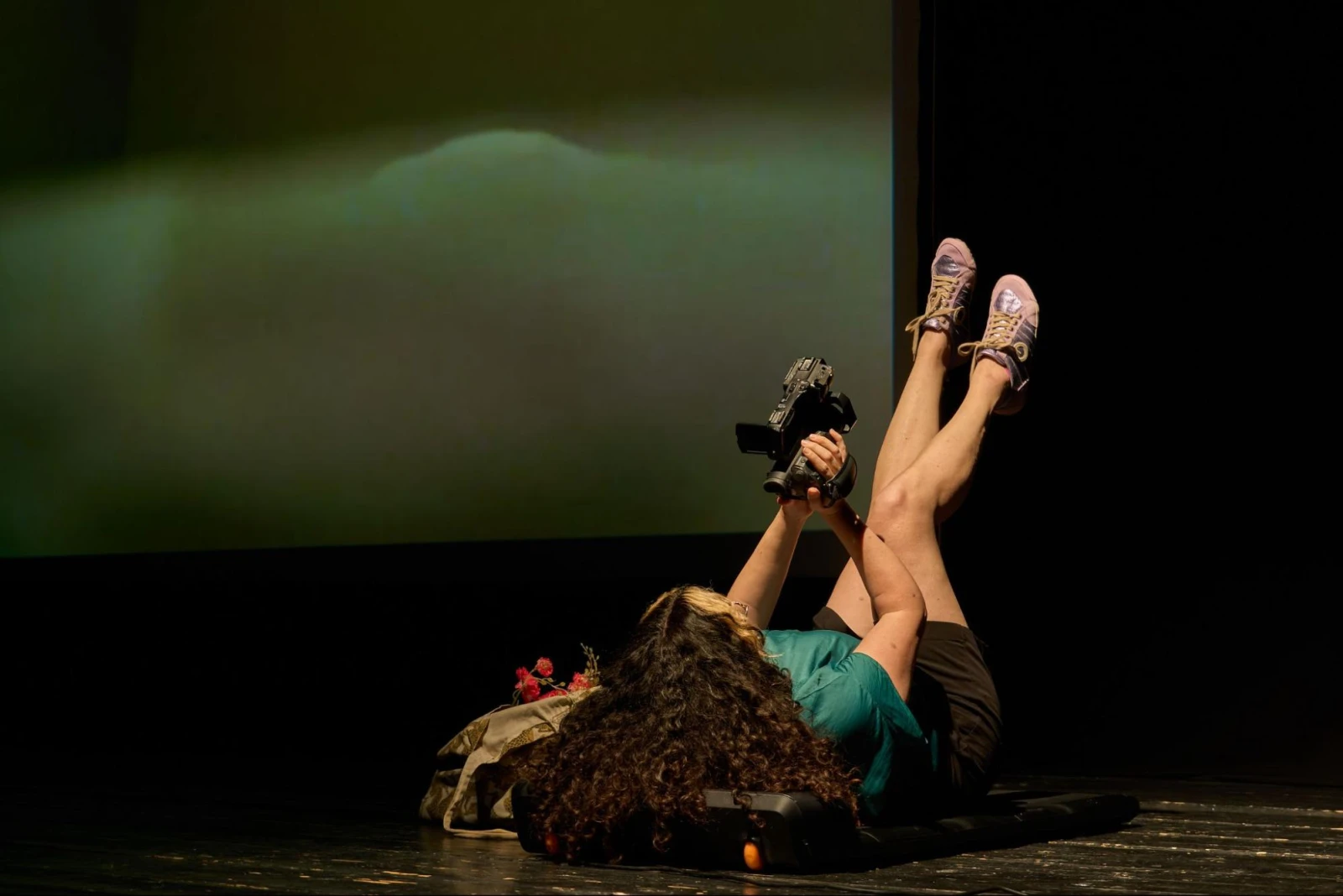
Hadas Neuman, an artist from Tel Aviv — flew into Yerevan to stage a production in Hebrew. Award-winning director and writer Boris Nkitin came from Switzerland to perform “Magda Toffler or an Essay on Silence.”
This year, the festival began with “Shame,” an international collaboration between four Armenian performers and four German performers. Together, in Armenian, English, Russian, and German — they navigate their feelings of remorse and guilt through performance.
While Plotnikov hopes to do more international theater, with future projects in France and Uzbekistan, he noted that Moschitsky’s vision for contemporary theater in Yerevan is longterm. “[Moschitsky] wants to build this garden, little by little,” Plotnikov shared.



 Stories