Text and photographs by Paul Van der Stegen
Nearly four years after the September 2022 fighting between Armenia and Azerbaijan, four Armenian regions remain contaminated by landmines and explosive remnants of war. The Center for Humanitarian Demining and Expertise, a government agency, is working to clear more than 4,300 hectares (10,600 acres) of contaminated land so these areas can once again be used safely by civilians.
A border still scarred by war
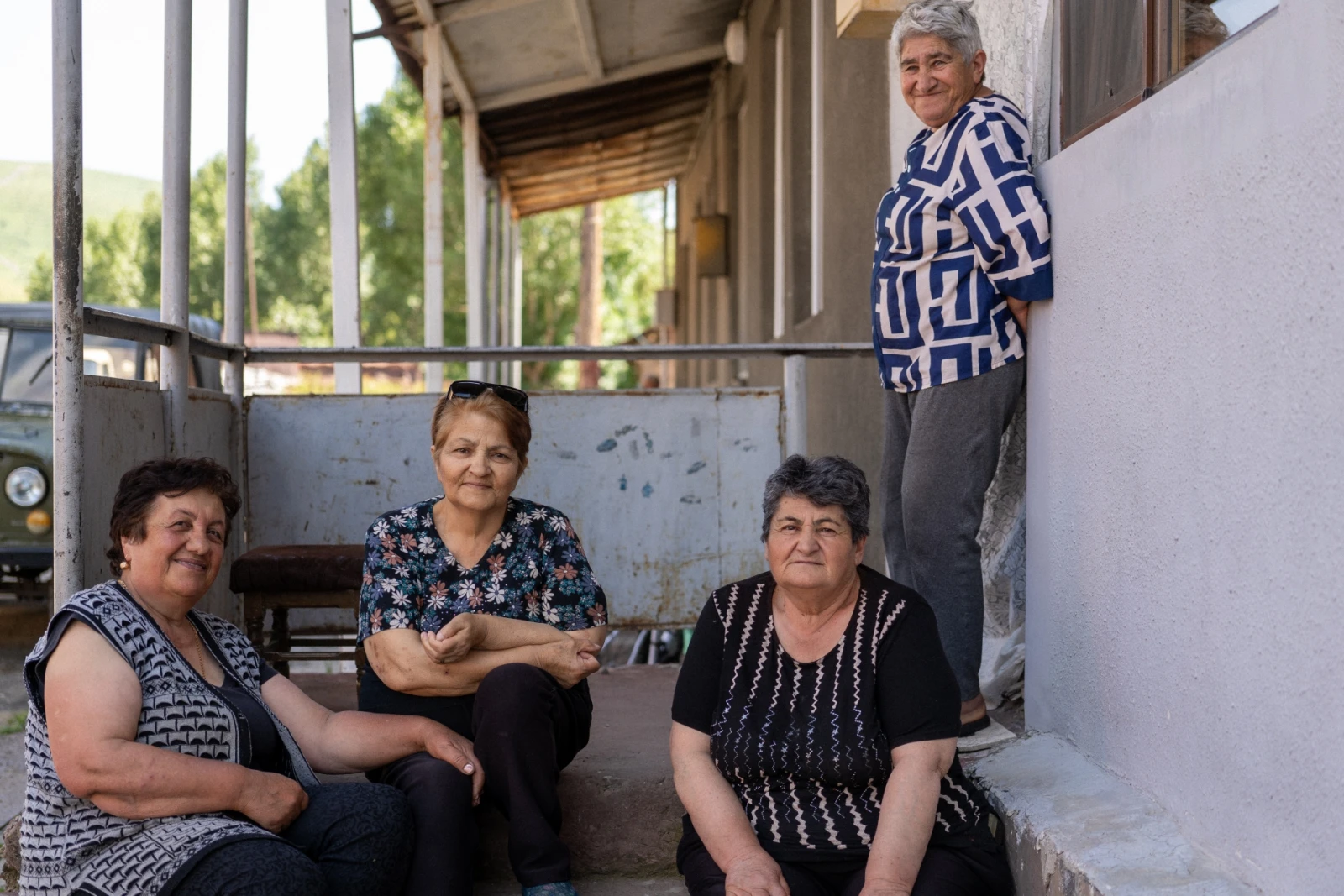
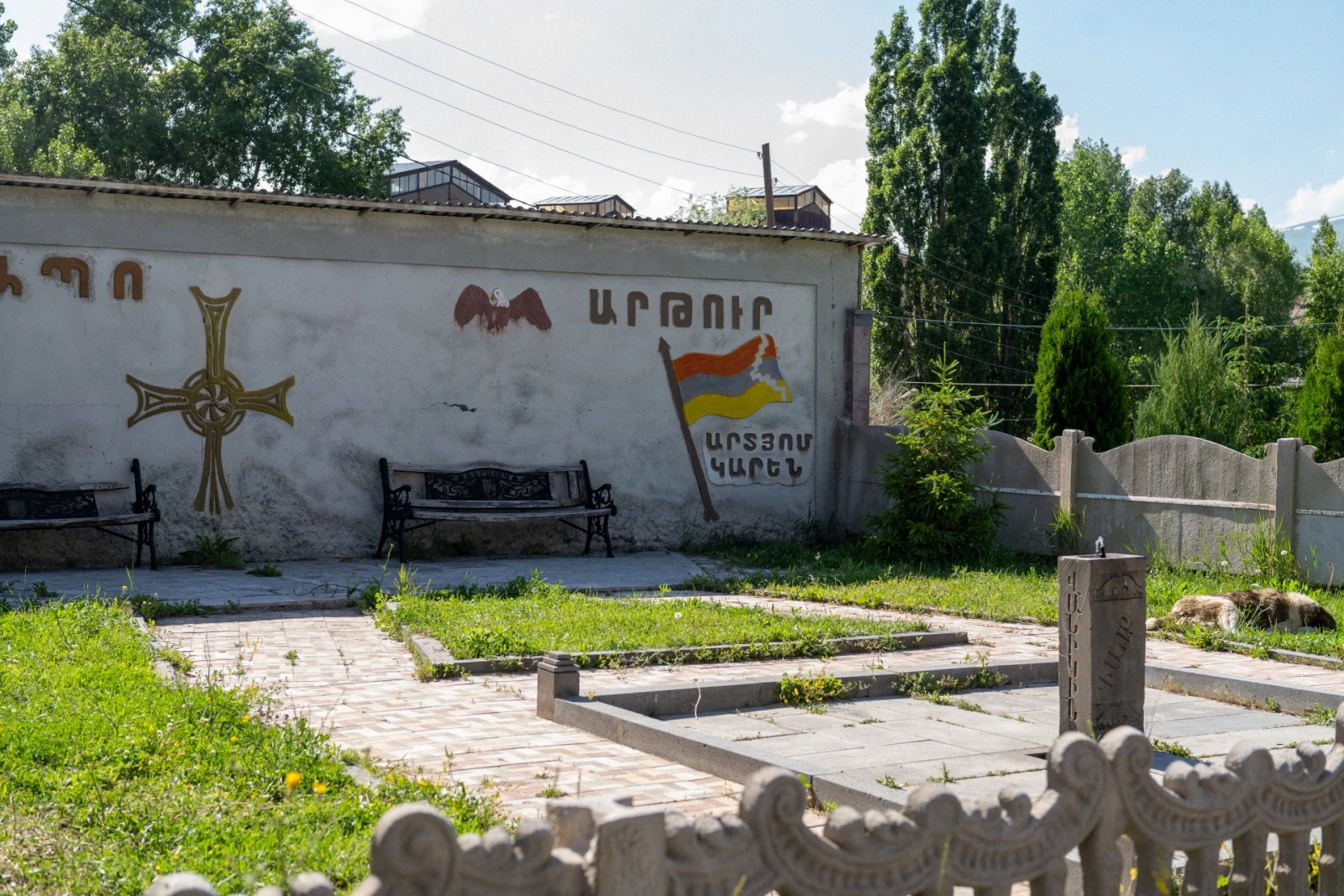
In Kechut, a group of friends gathers over tea. They catch up on the week's news: a wedding is just days away, the summer heat has arrived, and everyone hopes temperatures will not climb much higher. But there is still no news of the young mushroom picker.
Everyone in the village knows his story. A few months ago, he went to collect mushrooms on the outskirts of Kechut. He never made it home. After stepping on an explosive device, he was taken to a hospital in Yerevan, where he is believed to remain. The accident shook the village, but it did not come as a surprise. Here, such stories have become painfully familiar.
In September 2022, fighting spread deep into the internationally recognized territory of Armenia. For two days, Azerbaijani forces shelled border communities and advanced in several areas, including around Kechut and Jermuk. Although the front has since fallen silent, the war's legacy remains. In 2025, the Armenian government estimated that more than 811,500 square meters (8.7 million square feet) of land in Vayots Dzor could still be contaminated.
Levon, whose name has been changed, speaks about the war while repairing a marker light on his truck. When his family fled the village in 2022, he got out of the car and volunteered to defend his hometown.
His entire life is rooted here. His great-grandfather lived in Kechut, and Levon has never lived anywhere else. He believes the conflict could flare up again. If that happens, he says without hesitation, he would once again take up arms. His determination reflects not a desire for war, but his belief that there are still no guarantees it will not return.
High above the village, another group is working to reduce that risk—not by preparing for another conflict, but by removing what the last one left behind.
Making the ground safe, centimeter by centimeter
A few hundred meters from the village, teams from the Center for Humanitarian Demining and Expertise are clearing contaminated land. One of their priorities is to make it safe for farmers to reach an important water source.
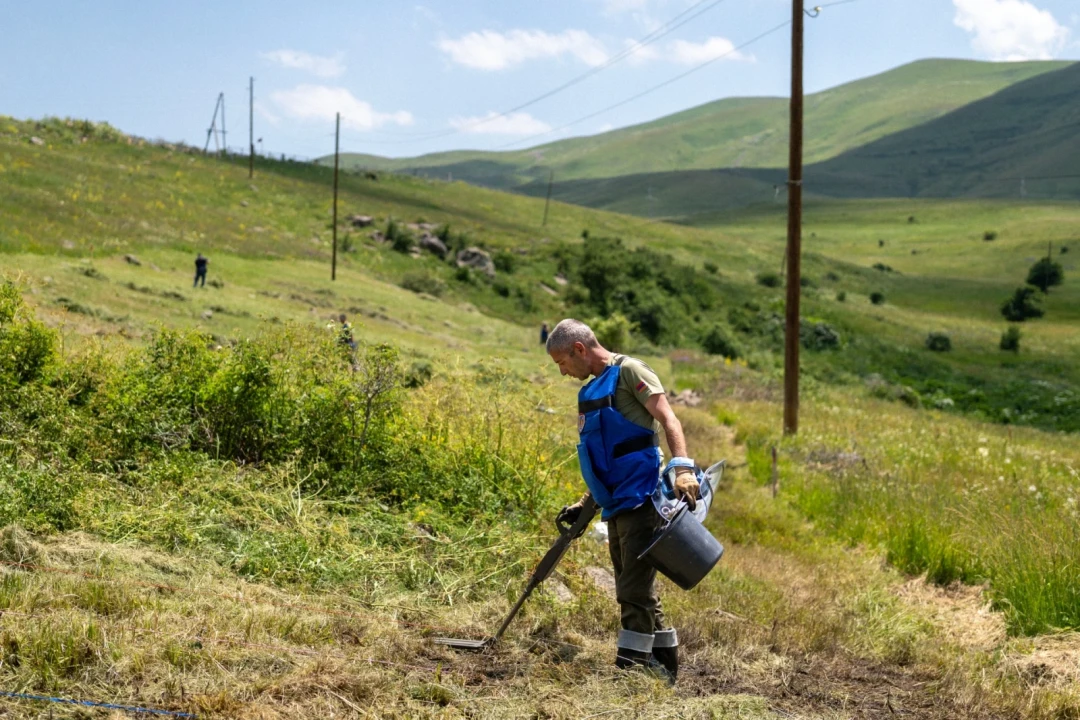
Most of the specialists are men over 50, many of them former soldiers whose faces bear the marks of years spent outdoors. Their work demands constant concentration. They spend only five hours a day in the minefield, where mental fatigue can be as dangerous as physical exhaustion.
Grigor, a former army colonel, walks slowly across the site with a metal detector. His visor is tucked under one arm. He advances step by step, listening intently to every signal. Each movement is deliberate. He sweeps the detector back and forth across narrow lanes marked by red cords.
"There is no room for humor in this job," he says before returning to work.
For Grigor, a mine is never just an isolated object. Someone deliberately placed it there, knowing that one day another person would come to remove it.
"The person who planted the mine wants you to fall into their trap," he says.
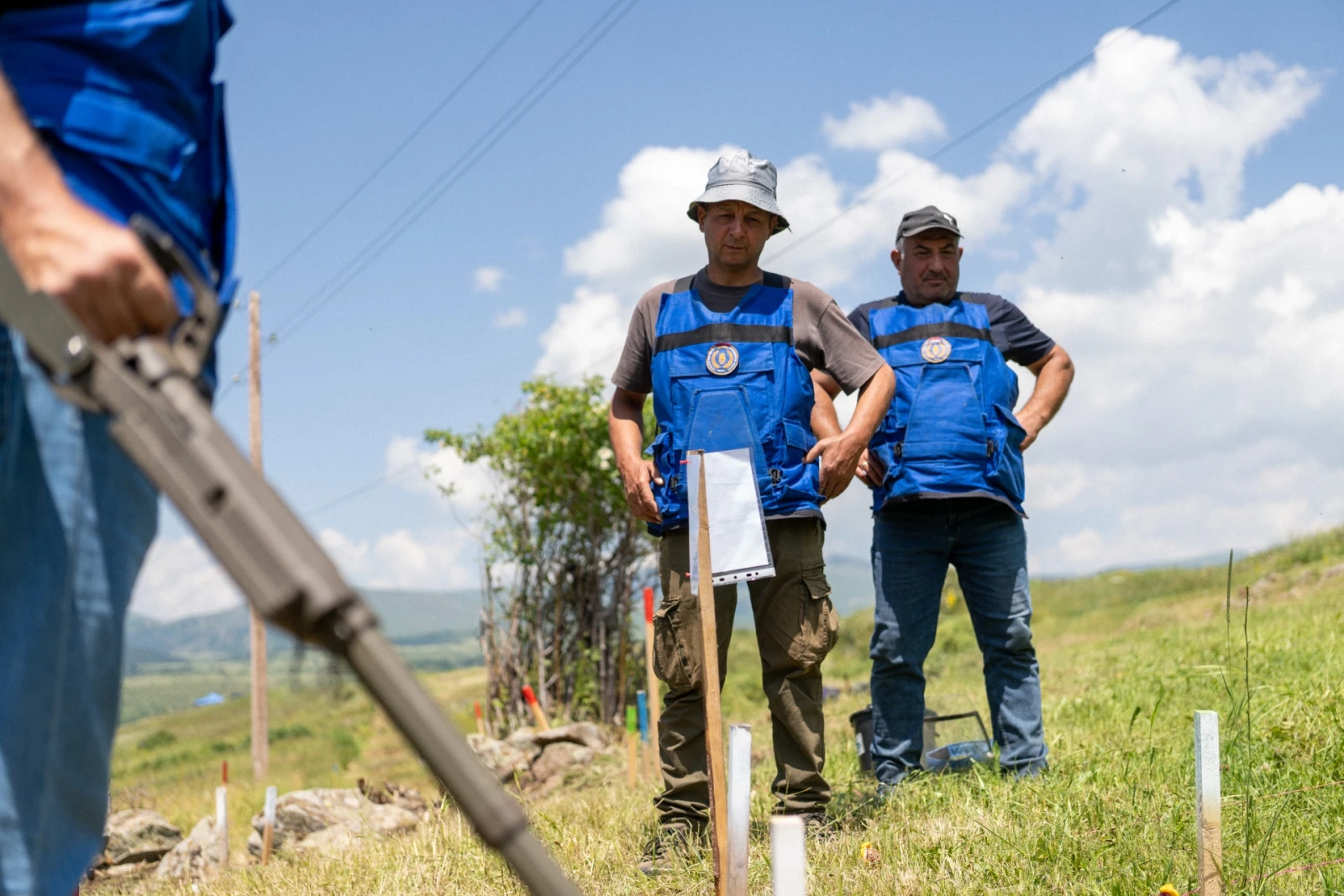
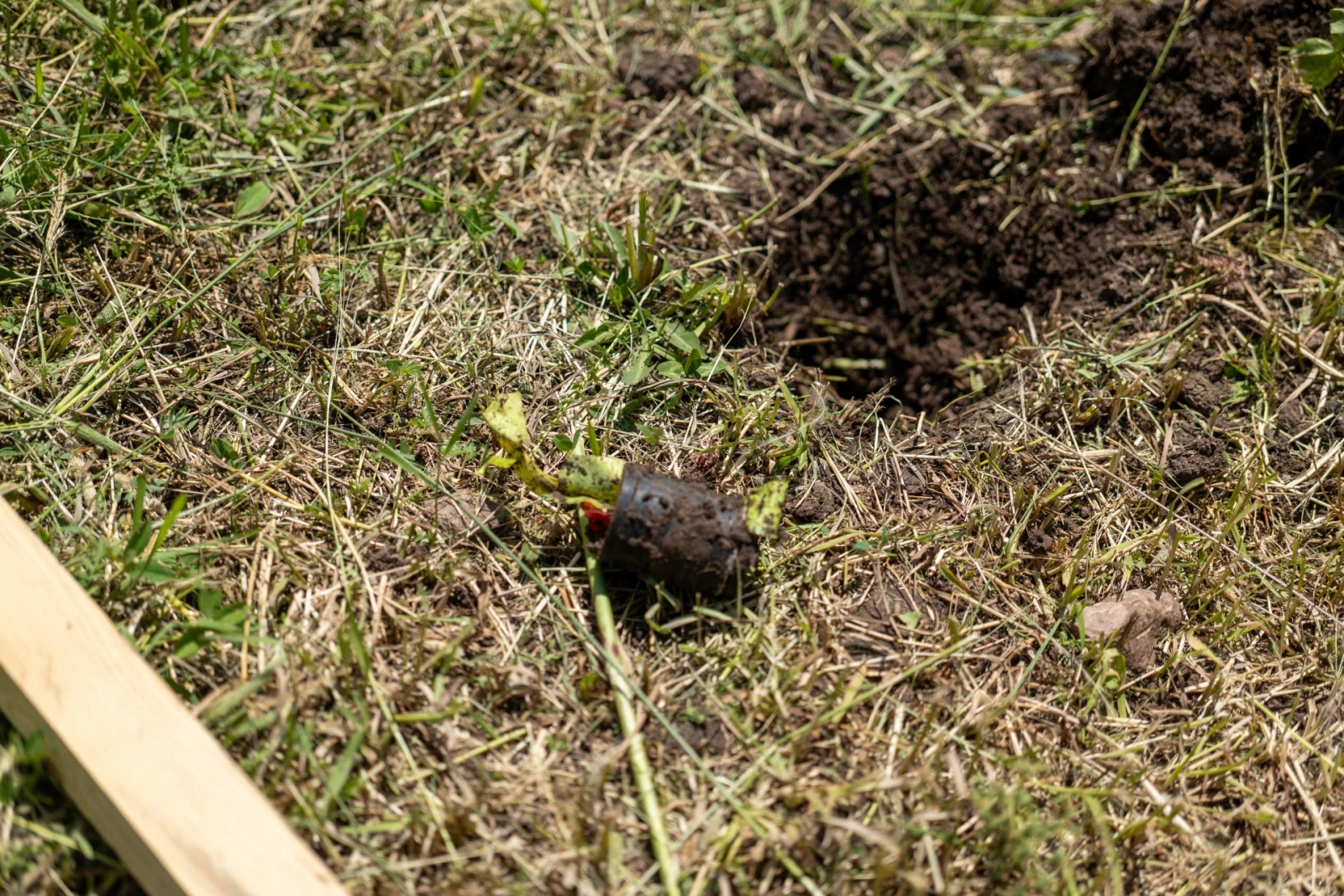
The deminers often refer to mines as "hidden killers." When the detector emits a stronger signal, they do not rush. Their eyes remain fixed on the ground, and every movement stays slow and methodical.
Vartan, another experienced technician, says finding a mine brings a sense of satisfaction that outweighs the fear.
They all describe their mission in similar terms: making it possible for people to return to a normal life.
The consequences of failure, however, are never far away.
"You do not have to look far to see what landmines can do," Vartan says. "In many places, mothers have seen their children lose a limb. That is what affects me the most. A child can simply be playing and suddenly step on an explosive device."
A long-term undertaking
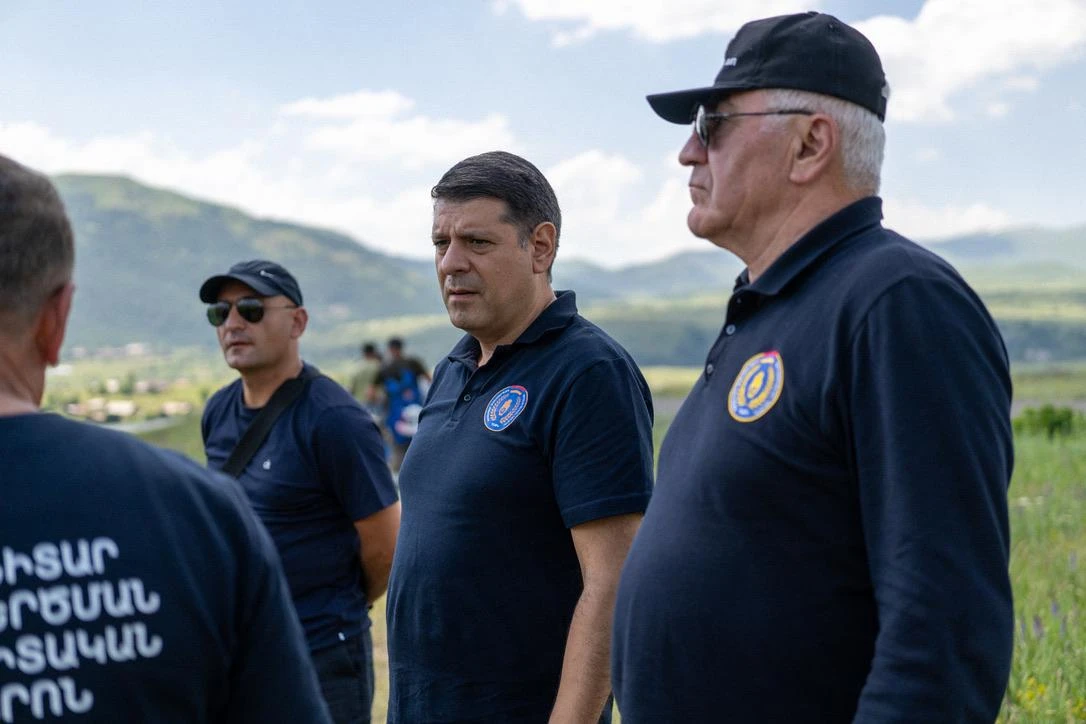
On this day, Eduard Petrosyan, director of the Center for Humanitarian Demining and Expertise, is visiting the teams working above Kechut.
He says such visits are routine. He stops to greet each deminer and exchange a few words.
"To me, they are heroes," he says. "I have enormous respect and affection for them because they work to protect other people."
The work remains overwhelmingly male. Only one woman currently serves as a deminer at the Center.
The Center operates under the Armenian government, which decides which areas should be cleared first. The United Nations Development Programme (UNDP) also supports operations, including the project currently underway above Kechut.
Clearing contaminated land is a long-term task. As demining progresses and border delimitation advances, new hazardous areas continue to be identified, expanding the amount of land that must eventually be cleared.
Mostly state-funded, but still reliant on international support
For 2026, Armenia expects to allocate about $800,000 for humanitarian demining, while international partners are expected to contribute around about $200,000, according to Petrosyan.
International assistance nevertheless remains essential. It finances equipment purchases, specialist training and the modernization of demining techniques.
The Center's main partners include the United States, the European Union and the United Nations. Russia, Armenia's longtime security ally, is not involved in humanitarian demining operations. According to Petrosyan, equipment provided through European support has significantly expanded the Center's operational capacity.
International assistance extends beyond equipment.
The UNDP has helped align Armenia's procedures with the International Mine Action Standards (IMAS), developed by the Geneva International Center for Humanitarian Demining.
While it will take years to clear all contaminated land, education is already reducing the risks. With UNDP support, mine-risk education has been incorporated into Armenia's national school curriculum, teaching children how to recognize dangerous areas and suspicious objects.
According to the United Nations, about 400,000 people have benefited from the program, while the number of mine-related accidents has declined significantly.
A shared challenge without bilateral cooperation
Landmines and unexploded ordnance threaten civilians on both sides of the Armenia-Azerbaijan border.
In Azerbaijan, Mine Action Review estimated that about 1.17 million hectares (2.9 million acres) remained contaminated in 2025—more than 10 percent of the country's territory.
Despite the shared challenge, Yerevan and Baku are not holding official discussions on joint humanitarian demining.
The Center for Humanitarian Demining and Expertise works exclusively within Armenia's internationally recognized territory. It is not responsible for clearing military positions along the border.
In Kechut, life goes on
Back in Kechut, the language of institutions gives way to everyday life.
White wedding dresses hang from a balcony.

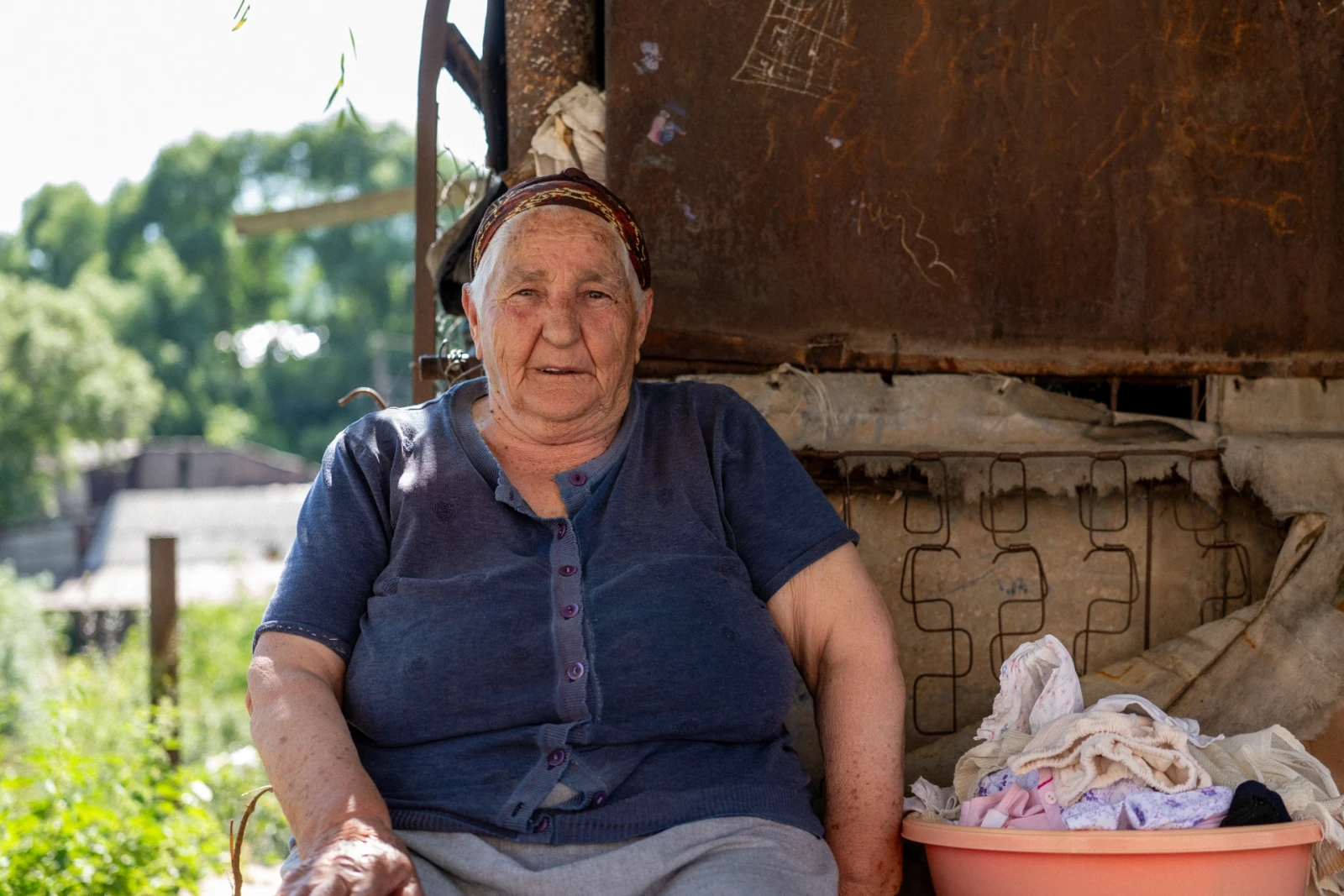
Yevgenia, now in her nineties, smiles.
"Here, we have forgotten what it was like to be afraid."
She is one of those who chose to stay. Like many others in the village, she hopes that peace between Armenia and Azerbaijan will one day become more than an aspiration.
Demining alone cannot erase the trauma of war or the fear it has left behind. But every field that is cleared, every path that reopens and every water source that becomes accessible again makes ordinary life a little easier to reclaim.
In the mountains of Vayots Dzor, perhaps that is where peace begins—not with grand political declarations, but with the slow return of everyday life.
Paul Van der Stegen is a French documentary filmmaker based in Armenia. He reports on social issues and the South Caucasus. While studying at Sciences Po Bordeaux, he directed Han's Call, a documentary filmed in Seoul that explores mental health.


 Stories