By Lia Avagyan
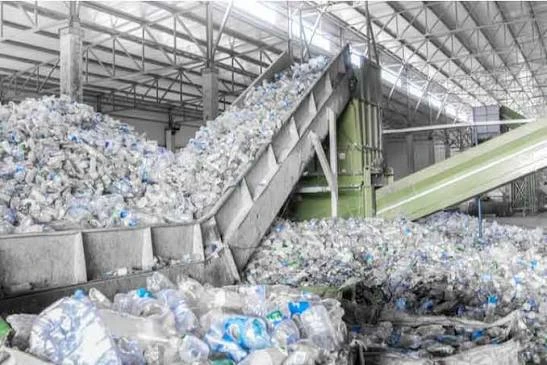
Armenia’s imports of primary plastic raw materials have nearly doubled over the past decade, reflecting growing domestic demand for plastics even as the country faces persistent challenges in collection and recycling, according to a new report released on Tuesday.
The report, titled Study on the Opportunity of an Inclusive Circular Economy for Armenia: Value Chain Analysis and prepared by consulting firms Ameria Management Advisory and Modex, examines Armenia’s plastics sector alongside several other industries through the lens of resource efficiency and the circular economy.
Imports of primary plastic raw materials fell below 31,000 tonnes in 2016 before rising steadily to more than 60,000 tonnes in 2025, the highest level recorded in the study period.
The materials include polyethylene, polypropylene, polystyrene and polyvinyl chloride, or PVC, among other polymers. Armenian manufacturers use them to produce packaging, bottles, plastic bags and films, household products, and pipes and fittings.
The increase in physical imports has not been matched by an equivalent rise in their value. Armenia generally imported between $30 mn and $45 mn worth of primary plastic raw materials annually between 2015 and 2021. The value jumped to about $82 mn in 2022, amid a global surge in polymer prices, before declining to around $66 mn in 2024.
The report says the divergence between import volumes and values points to a normalization of global polymer prices alongside rising physical demand in Armenia.
Exports of primary plastic materials, meanwhile, remain small. They generally ranged between 1,700 and 2,300 tonnes annually from 2015 to 2021, reached about 2,700 tonnes in 2022 and subsequently fell sharply. Armenia exported about 382 tonnes in 2025, according to the report.
Iran remains largest supplier, Russia gains ground
Armenia relies on a relatively small group of countries for its plastic raw materials, although the composition of those suppliers has changed considerably.
Iran remained Armenia’s largest supplier in 2024, accounting for around 27% of primary plastic raw-material imports. But that was down sharply from around 40% in 2018-2019 and a peak of 47% in 2021.
Russia has moved in the opposite direction. Its share rose from around 6–7% in 2018-2019 to 18% in 2024, with imports from Russia exceeding $12 mn that year.
China accounted for about 16% of imports in 2024 and the United States for 11%. Together, the two countries supplied more than a quarter of Armenia’s imported plastic raw materials. Turkey’s share, meanwhile, fell from around 10–13% in 2018-2019 to 3–5% after 2021.
The imported polymers feed a domestic plastics sector that includes around 800 businesses and other entities operating across plastics manufacturing, packaging production, polymer compounding, and waste collection and recycling. Most are small and medium-sized companies.
Armenia also increasingly imports finished plastic packaging. The value of those imports roughly doubled from around $14 mn in 2018-2020 to nearly $28 mn in 2024, while import volumes reached more than 16,740 tonnes.
The figures point to a broader expansion in the amount of plastic entering the Armenian economy, both as raw material for domestic production and as finished products. The report examines that growth as part of the challenge of moving Armenia away from a largely linear model of production and consumption toward one in which materials are collected, reused and recycled rather than discarded.
Read more: Thousands of old vehicles could provide untapped source of scrap metal in Armenia




 Stories