 Alexander Pracht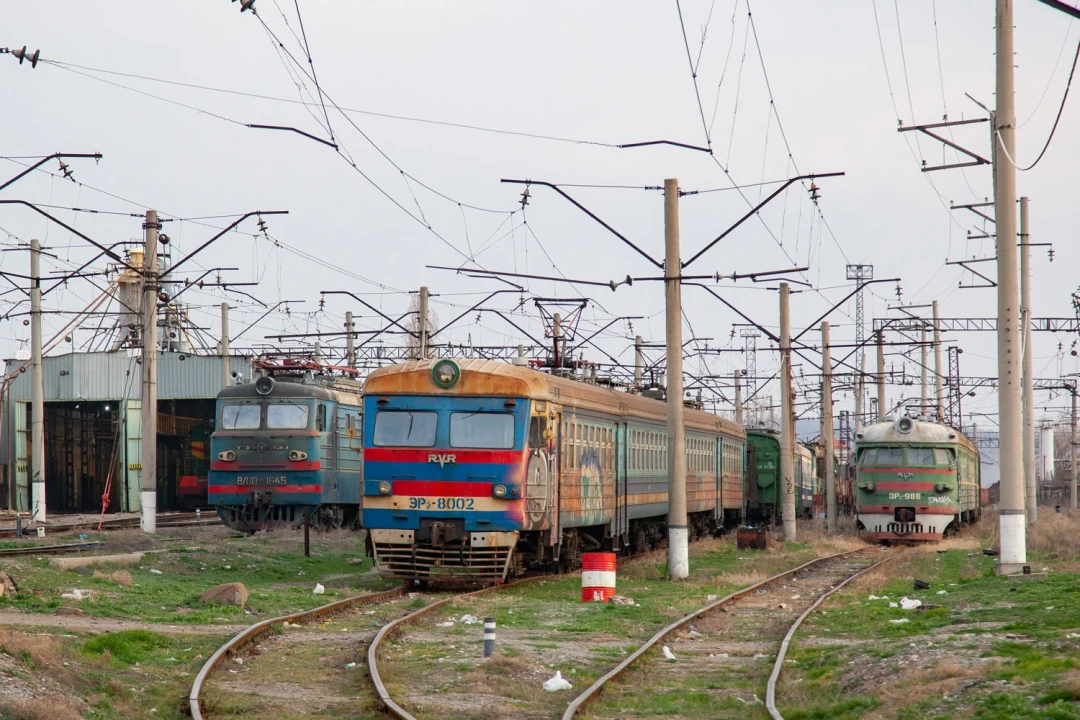
Armenian Prime Minister Nikol Pashinyan has renewed his calls on Russia to sell its concession to operate Armenia’s railways.
“We have great respect for the Russian Federation and its interests, but due to Armenia’s railway being under Russian management, we are now facing the risk of missing a historic opportunity to integrate Armenia into the international railway network,” Pashinyan said in parliament on Monday.
“We ask our Russian partners to be flexible and sell the concession rights to a third country acceptable to both Armenia and Russia,” Pashinyan added.
The prime minister first voiced the call for the transfer of the concession in January. As Armenia pursues normalization with Turkey and Azerbaijan, it is eager to become a transit country for foreign cargo, which could be made possible by reopening railway connections with the two countries.
However, Pashinyan suggested that Russian control over Armenia’s railways is deterring foreign companies and governments, although he did not explain this directly, likely referring to the sanctions risks and reputational costs associated with Russian control.
He has so far suggested countries such as Kazakhstan and Qatar as possible operators. Neither has commented on the remarks. Russia has pushed back on the proposal, saying such calls are unacceptable.
Also read: Russia pushes back on Pashinyan’s railway proposal
The state-owned Russian Railways company took over Armenia’s railways under a concession agreement in 2008, during the administration of President Robert Kocharyan. The concession created a subsidiary operator, South Caucasus Railway, and was signed for 30 years, meaning it would expire in 2038 if Armenia chooses not to extend it.
The agreement granted Russia a full monopoly on rail transport in Armenia for a one-off payment of roughly $8.5 million in today’s money, along with Russia’s pledges to make major investments. However, after 18 years of Russian management, no major project has gone beyond the conceptual stage.
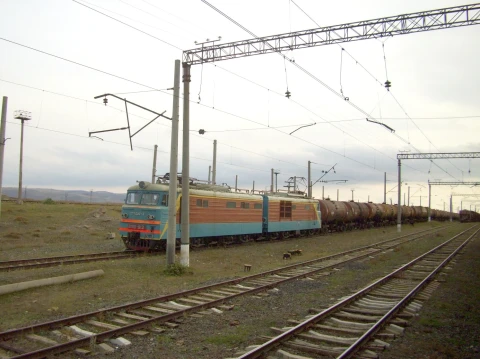
Most of the system’s rolling stock consists of Soviet-era trains built in the 1970s and 1980s, while tracks remain in poor condition along many sections of the network, limiting train speeds.
Moreover, the Armenian government compensates Russia for 30% of losses on passenger tickets while receiving only 2% of profits from cargo transportation.
In contrast to today’s calls for Russia’s withdrawal from the concession, it was Moscow that suggested it might exit the agreement in 2019, shortly after the revolution that brought Pashinyan’s government to power. The proposal came amid a major probe into financial crimes at South Caucasus Railway, but Yerevan and Moscow managed to settle their disagreements at the time.
Now, however, Armenia’s withdrawal from the deal could incur a major financial burden. According to varying estimates, ending the concession could cost Yerevan hundreds of millions of dollars.


 Stories