By Antonio Reis
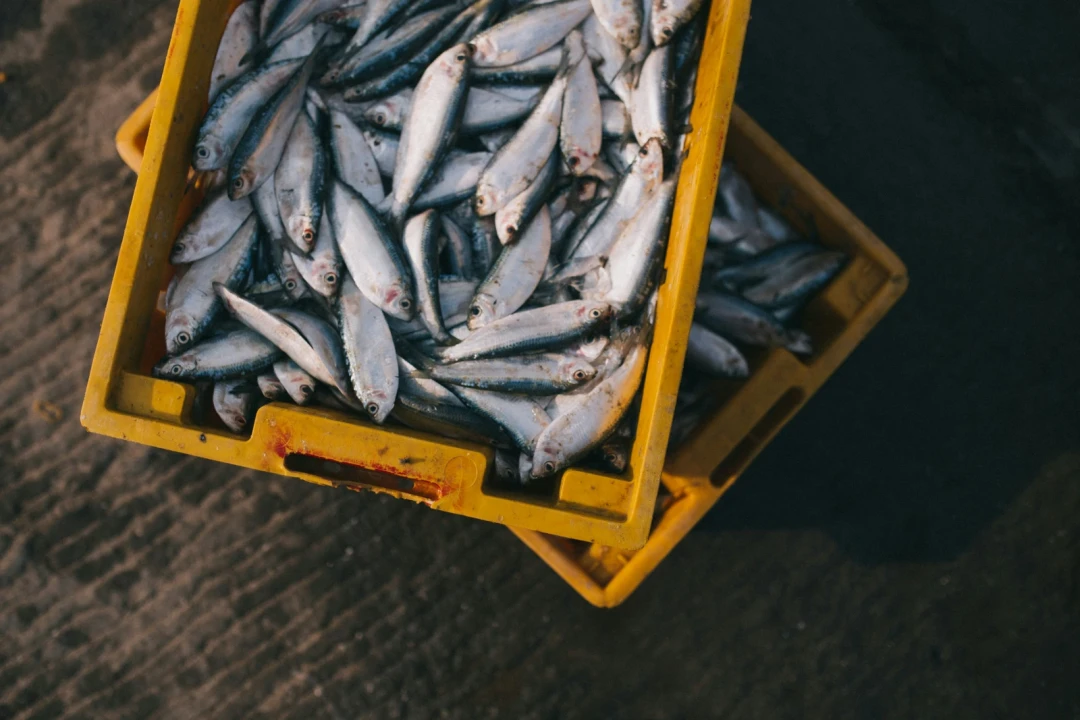
The European Union's proposed two-year suspension of import duties on Armenian goods extends to fish, according to the text of the European Commission's proposal - a detail that did not appear in the European Council's public summary of the measure.
The Council's September 2 statement described the suspension as covering approximately 80% of Armenia's exports, including 99% of fresh fruit, vegetables and plants, and more than 91% of beverages and spirits. Fish was not mentioned.
However, the proposal itself lists "fish and crustaceans, molluscs and other aquatic invertebrates," among the product categories exempted from EU ad valorem import duties.
Previously, under the Comprehensive and Enhanced Partnership Agreement (CEPA) between Armenia and the EU, fish exports have received no tariff preference, trading instead on ordinary World Trade Organisation terms. Armenia has not qualified for the EU's GSP+ preferential trade scheme since 2022, when the World Bank reclassified it as an upper-middle-income economy. The proposed measure would waive that tariff.
The proposal comes as Armenian fish farmers wait for concrete export options following Russia's June 26 ban on Armenian fish imports. Farmers had protested outside the government building on July 21, naming EU export access and government subsidies among their unresolved demands. CivilNet previously reported that producers had struggled to find new markets, but that the Armenian government was accelerating legal and regulatory reforms to allow more producers to export to the European Union.
Domestically, the government had set up a program providing support to 135 commercial fish farms located in the Ararat and Armavir regions, in the form of a one-time compensation set at 20% of the average monthly cost of fish feed purchased in the first half of 2026.
"The support measure does not refer specifically to exports to the European Union, but to fish exports in general," Shaboyan said. The rates, she said, are approximately $2.25 per kilogram for trout and $3.70 for sturgeon.
The government decision sets no annual export volume target, Shaboyan confirmed in a follow-up email.
Farmers seeking to use the EU's tariff exemption still face registration requirements. Exporters must register with the European Commission's Trade Control and Expert System (TRACES), and parliament approved the necessary legal amendments for that registration on July 3.
CivilNet previously reported that an EU-funded assessment of Armenia's aquaculture sector found broader gaps, including limited use of international certification, incomplete traceability systems and weak export marketing capacity.
The measure is also conditional. Armenia must comply with rules of origin, cooperate administratively with the EU, avoid new trade restrictions on EU imports and maintain compliance with the bloc's core principles, including democratic norms, the rule of law and respect for human rights, according to the Council's statement.
The European Parliament is expected to adopt the measure without amendment later this month.


 Stories