By Jan Limburski
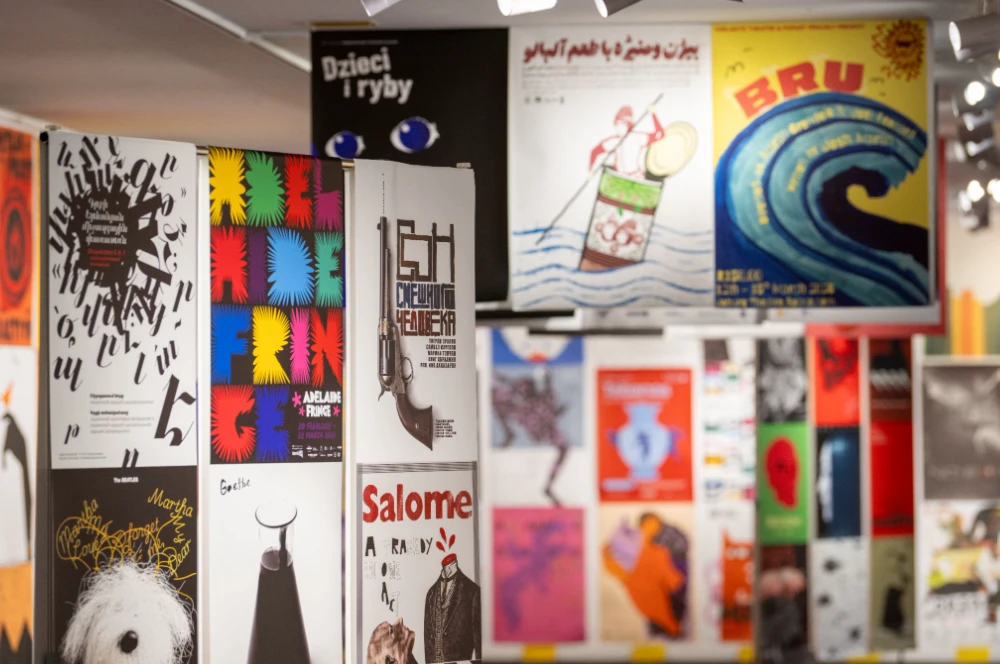
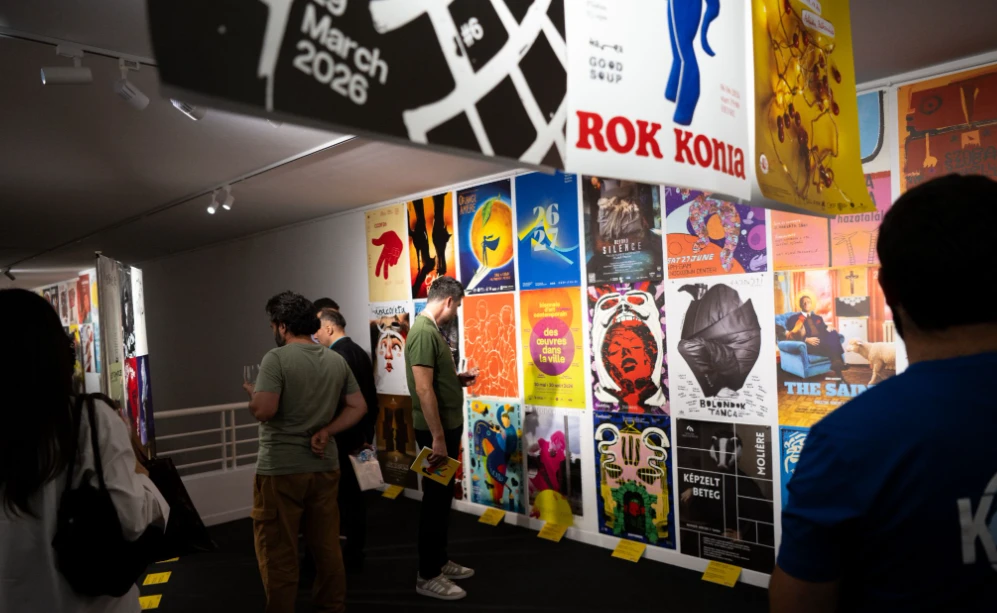
The ground floor gallery of the Henrikh Igityan National Centre for Aesthetics in Yerevan is filled with colourful illustrations this month. The event, on view until September 30, is the third Theatrical Posters Armenia International Biennale. Over 200 works from six continents covered the gallery walls. Among them, Polish poster art stands out prominently, with Polish artists comprising over a quarter of those shortlisted. For the second consecutive edition, the Biennale was held under the sponsorship of the Polish Embassy in Yerevan.
III Theatrical Posters - Armenia International Biennale
Theatrical Posters Armenia (TPAM) started as a festival in 2022. The founder-director, Edik Boghosian, co-created the ACT Cultural NGO which supports cultural activities in Yerevan - TPAM among them. Born in Tehran in 1972, Boghosian moved to Yerevan in 2007 and has since worked to put together the Theatrical Posters Biennale. Originally intended to be a one-off, TPAM returned in 2024, and again in 2026, becoming a biennale. “After the first edition of the festival, I noticed that there is a huge gap in Armenia,” says Boghosian, explaining the country needed “a special, graphic design international project.”
Since the first edition, the number of submissions doubled each time growing from 406 in 2022 to 1708 in the festival’s third edition in 2026.
The 1708 posters were submitted by 844 artists from 75 countries. Of these, the pre-selection team shortlisted 203 artworks from 194 designers. The pre-selection committee was Armenian while the jury was international. “I decided to not have an Armenian jury member but we always have a pre-selection team that is from Armenia,” says Edik. This was meant to balance local and international artistic tastes.
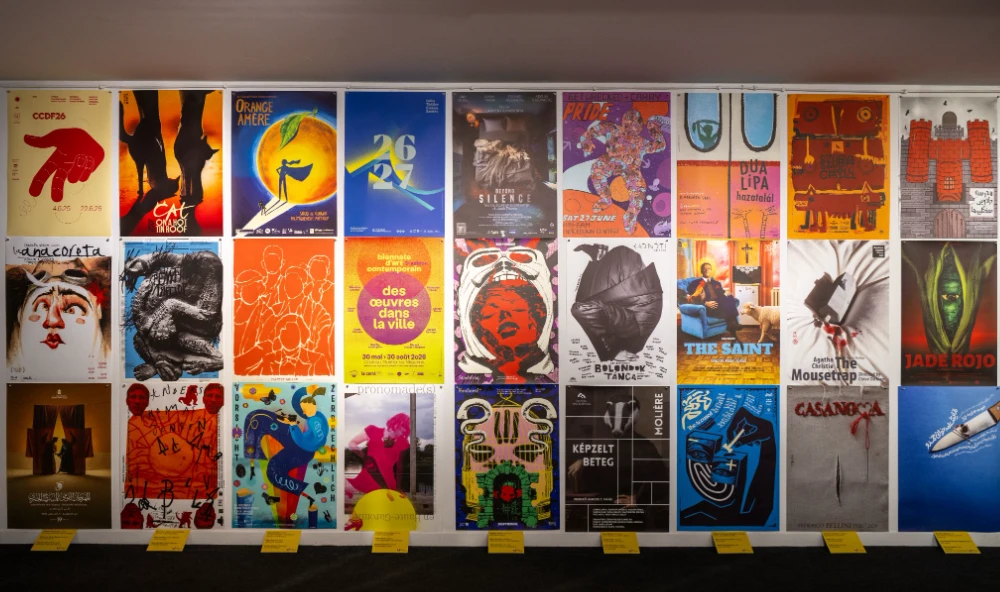
The jury, which consisted of Adrian Shaughnessy from the UK, Jumping He from Germany and Atelier ter Bekke & Behage from France, was drawn from the members of Alliance Graphique Internationale, the most prominent international association of graphic artists and designers. Due to regional instability stemming from the U.S.-Israeli attacks on Iran, this year the jury members judged remotely
TPAM, not limited to just theatre, welcomes works related to any stage production - opera, poetry readings and more. “A poster is the first window to the stage,” says Boghosian, explaining the reason behind the fascination with the medium.
Polish Posters in Armenia
“In every edition, we have a lot of Polish designers shortlisted,” says Boghosian. This year, out of the 194 artists 47 were from Poland.
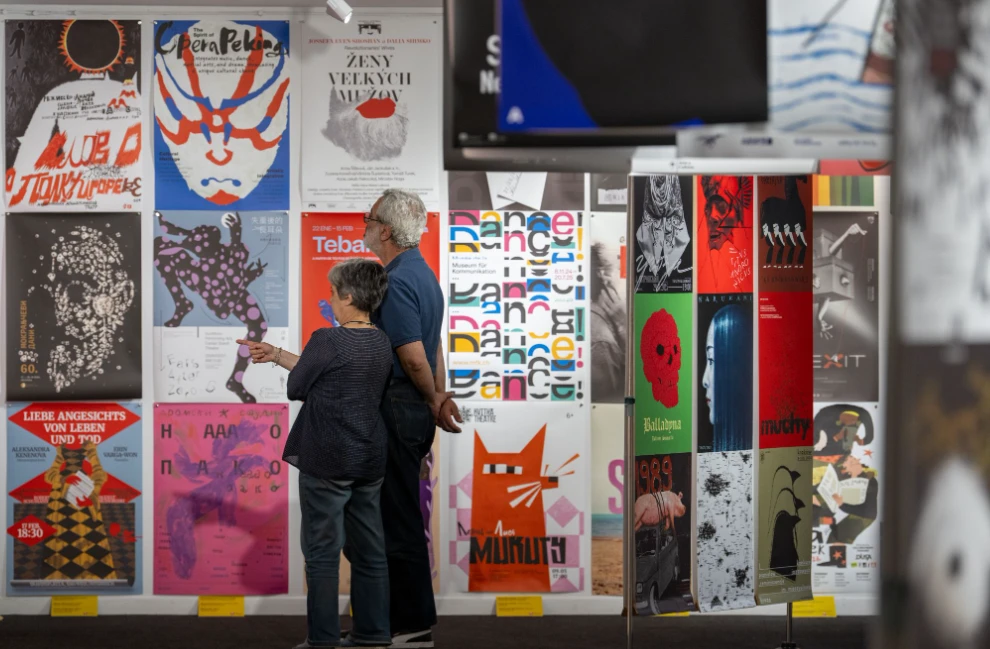
The country has a rich poster tradition. Starting from the late 19th century, the Polish School of Poster Design developed into a flourishing movement by the 1950s.
According to the Embassy of Poland in Yerevan, "For the Polish side, participation in this initiative is an opportunity to showcase the achievements of the Polish School of Poster Design in Armenia, strengthen intercultural dialogue, and exchange experience among artists from Poland, Armenia, and other countries. The Biennale significantly contributes to promoting the poster as an important form of artistic expression and a tool of visual communication," the Embassy of Poland in Yerevan said in a statement to CivilNet.
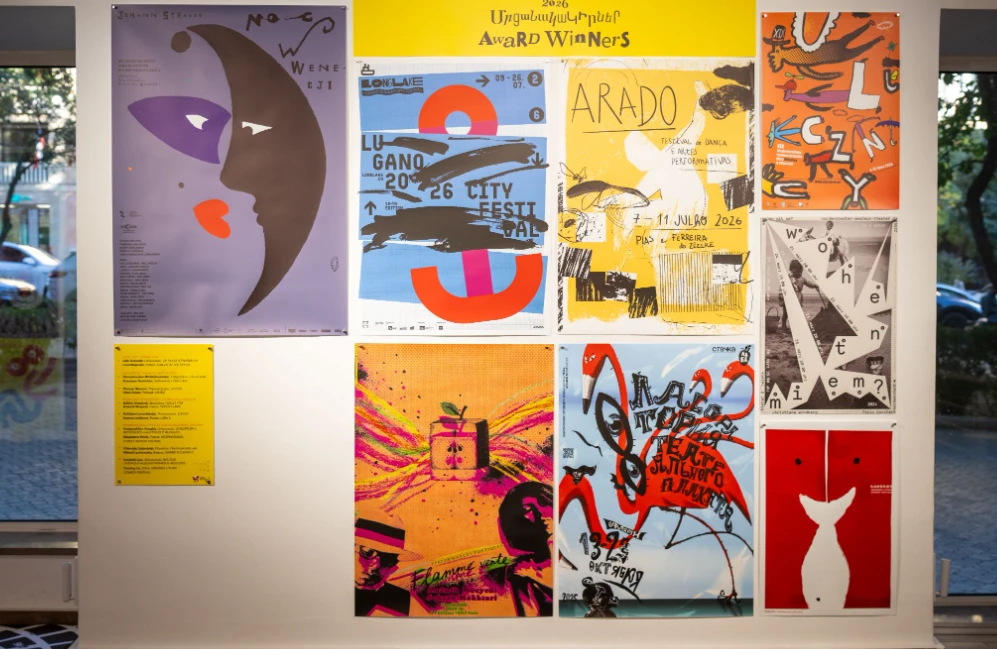
Poland’s presence extended beyond sponsorship. Lech Majewski, a professor at the Warsaw Academy of Fine Arts, was awarded the Grand Prix of the Yerevan Biennale and Magdalena Wosik, a professor at the Wroclaw Academy of Fine Arts received an encouragement diploma. The key visual of the 2026 Biennale was designed by another Polish artist - Dominika Czerniak-Chojnacka - the Grand Prix winner of the 2024 edition.
“[Theatrical Posters] was the trigger for the collaboration between Armenia and Poland in terms of fine art academies,” says Boghosian. According to the TPAM organiser, the partnership will involve professor exchanges and guest lectures.
“Last year, Lech Majewski invited me to give a presentation about the Armenian alphabet,” says Boghosian. The lecture was one of the first instances of the cultural exchange prompted by the TPAM initiative.
Popularising Armenian Poster Design
International attention is not the only objective of the Biennale. Theatrical Posters aims to bring the art of poster design to Yerevan and promote poster art in Armenia. “We had a very good tradition in posters in the Soviet era… It somehow vanished. [...] I hope next time we will have more Armenian artists,” says Boghosian.
In 2026, there were nine Armenian artists included in the final shortlist. The Biennale has a dedicated special mention for an Armenian artist which, this year, was awarded to Mane Yengibaryan for No Place for Thistles.
The Biennale not only exhibits graphic design works but also promotes artistic education. A series of guest lectures from Russia, Bulgaria and Armenia hosted in the State Academy of Fine Arts in Yerevan accompanied the event. According to TPAM, the goal of these is to “offer students and emerging designers a unique opportunity to learn from and interact with leading international professionals.”
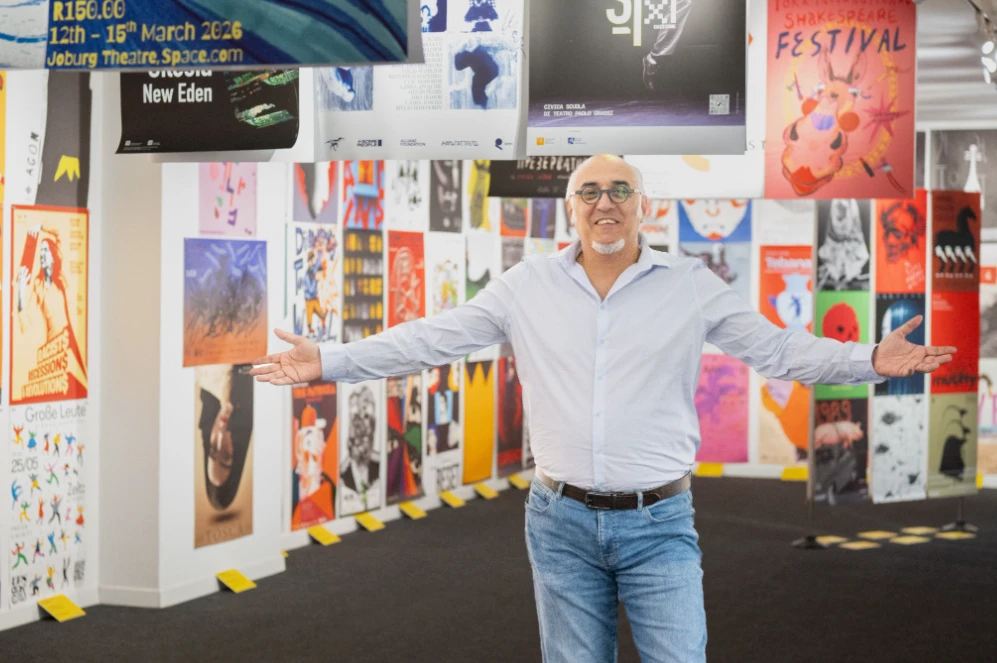
The preparations for the fourth edition of the Biennale are already underway. “Every time when I start the new edition, I promise myself I won’t continue,” Boghosian says. “But after the opening ceremony [...] and the energy that we receive from the audience… It's the biggest motivation.”

 Stories