By Lia Avagyan
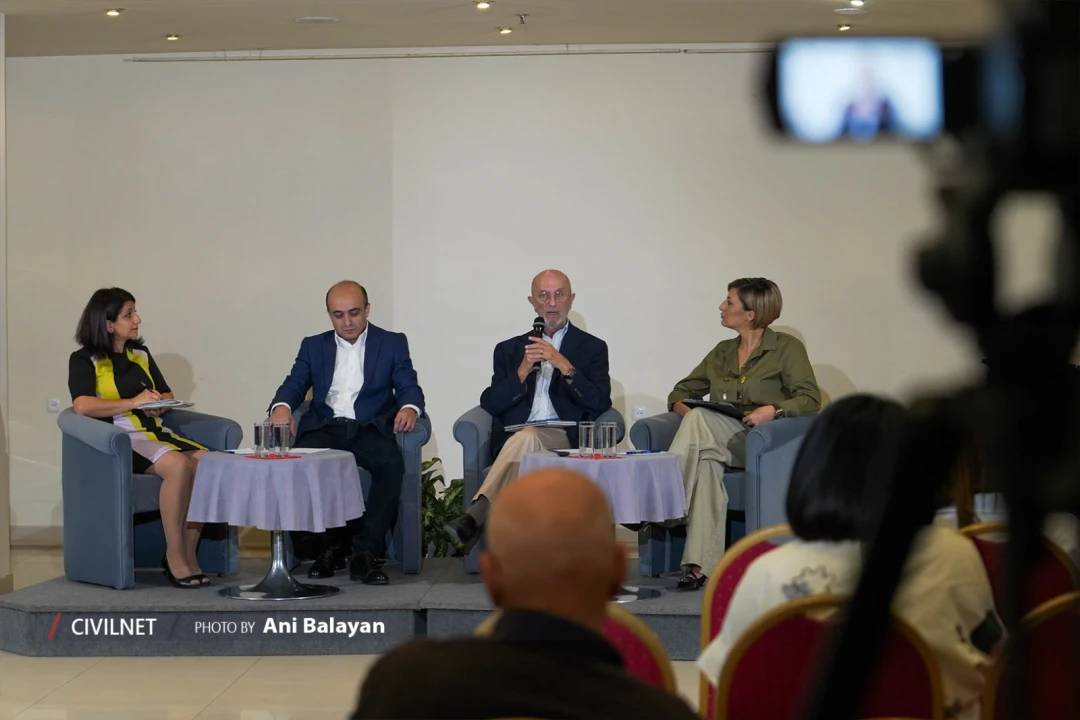
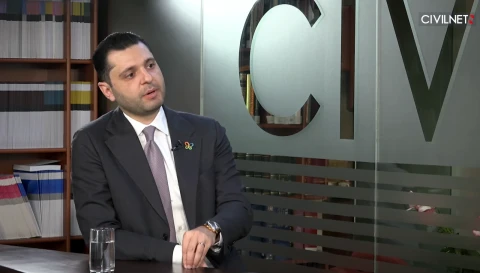
Armenia should use next month’s COP17 conference in Yerevan to draw international attention to the Armenians held in Azerbaijan, peacebuilding and conflict resolution specialist Hrair Balian said at a CivilNet public forum on Monday.
Balian, who has worked on conflict resolution and human rights for 35 years, has held senior roles with the United Nations, the OSCE, the Carter Center and the International Crisis Group. He is the author of Anatomy of Peacemaking: Nagorno-Karabakh Conflict and Missed Opportunities, published this year.
At the forum, Balian called on residents to make noise throughout Yerevan while foreign delegations are in the city, suggesting that people beat pots and pans in the streets or from their windows. The action would lead visitors to ask what Armenians were protesting, he said.
COP17, a U.N. biodiversity conference, is scheduled for October 19–30. Balian said its international visibility offered a chance to put the detainees’ release before visiting officials. “We must raise this issue everywhere, every day, until these people are freed,” he said.
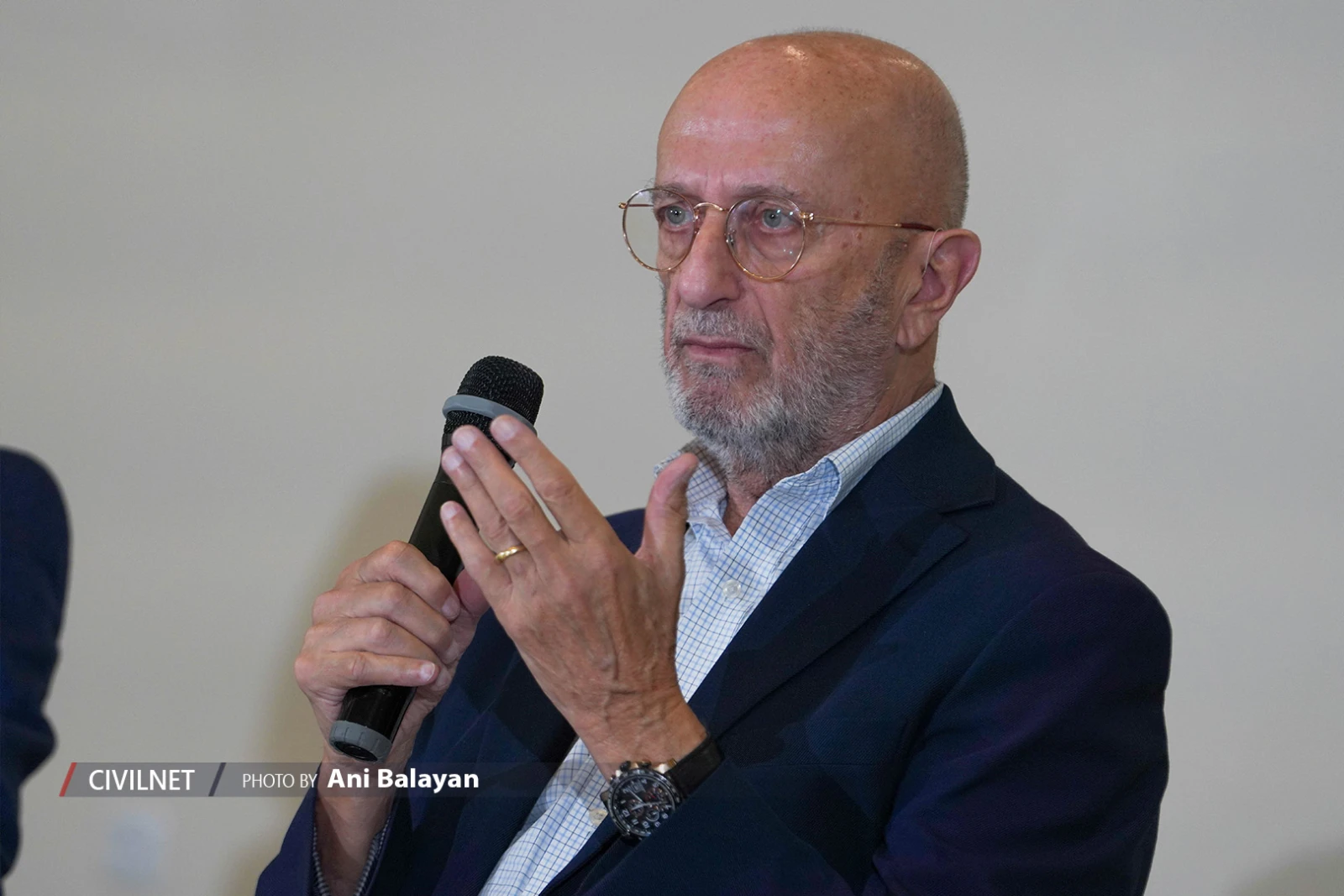
The CivilNet discussion, titled Three years in prison: Peace and Armenian detainees, also featured Anna Melikyan of Protection of Rights Without Borders and international law specialist Taron Simonyan, founding partner of ELL PARTNERSHIP. The speakers examined whether peace between Armenia and Azerbaijan could endure while Armenians remain in Baku’s custody, and what could be done to secure their return.
Balian said Armenia had missed an opportunity when European leaders gathered in Yerevan for the European Political Community summit on May 4 and the Armenia–EU summit on May 5. Before those meetings, he had proposed a public vigil to bring the detainees’ plight to the visitors’ attention. He renewed that call ahead of COP17, saying the government, civil society and the public all had a responsibility to act.
The detainees’ release was not mentioned in Prime Minister Nikol Pashinyan’s public address to the European Political Community summit or in the public declaration issued after the Armenia–EU summit. Those records do not show whether the issue was discussed privately.
Drawing on his experience in peace processes in several regions, Balian challenged the idea that Armenia and Azerbaijan could establish lasting peace while the detainees remain in custody.
“I have not seen an example elsewhere of two countries entering a peace process, moving forward, even initialing an agreement, while at the same time holding 19 hostages,” he said. Balian described the captives as hostages.
Even if the two countries signed an agreement, their relationship would remain a “cold peace,” Balian said. He warned that it would be “extremely fragile” and “extremely temporary.”
Melikyan, an expert on humanitarian issues, said the passage of time must not make the detentions seem normal. At least two Armenian prisoners had been held for about six years, she said, while others were approaching three years in custody.
“We must not count the days and say that three years is acceptable, or five years, or 10 years,” she said. “Not even a day is acceptable. These people must return as soon as possible.”
Melikyan also rejected comparisons with prisoners who remained in captivity for years after earlier wars. “We should not take the worst examples to justify our inaction,” she said.
Azerbaijan says the Armenians it has prosecuted committed serious crimes. Melikyan said Armenia should challenge the proceedings by showing that the defendants had not received fair trials and that the accusations against them had not been adequately substantiated or individualized. Human Rights Watch has also reported serious concerns about the fairness of the proceedings.
Melikyan said she had observed Armenian delegations using softer language about the detainees in international meetings. Rather than demanding their return, she said, officials increasingly spoke of expecting it. She acknowledged that public criticism could sometimes complicate efforts to secure a release, but said Armenia should still apply pressure through diplomatic channels and seek support from third parties.
Simonyan said the Armenian state had a duty to defend its citizens' rights. “The state not only could participate; it is obliged to participate,” he said.
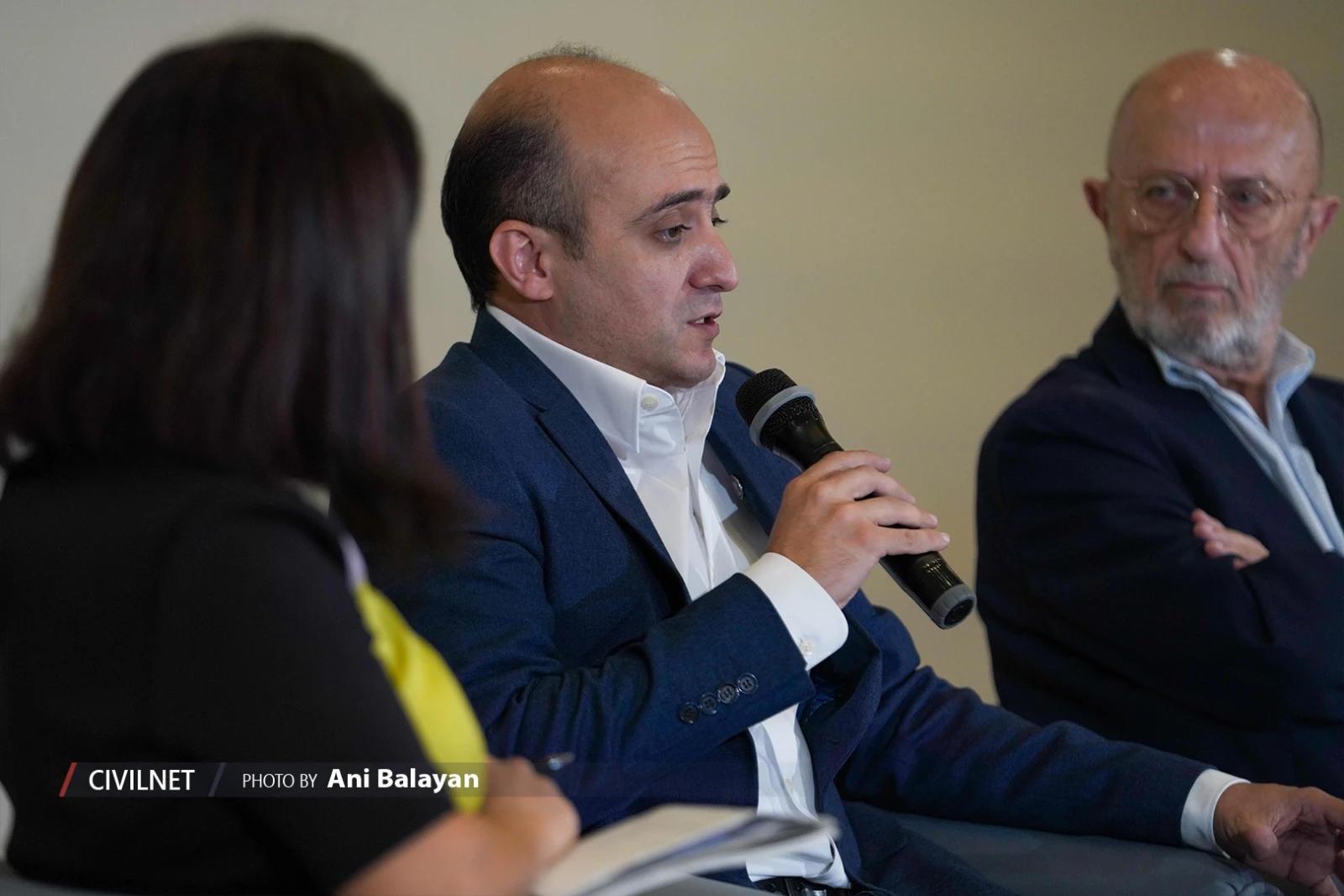
He urged the government to examine further international legal avenues, including conventions concerning hostage-taking and torture. “Why are we not using this instrument?” he asked of the hostage-taking convention. Simonyan argued that legal action could give Armenian diplomats more leverage to pressure Azerbaijan. His proposed avenues have not been established as remedies in these cases.
At least 19 Armenians are known to remain in Azerbaijani custody, including former political and military leaders of Nagorno-Karabakh. Azerbaijani courts have imposed lengthy and life sentences on several of them. Azerbaijan maintains that those convicted committed serious crimes and rejects international criticism of the prosecutions.
Armenia and Azerbaijan initialed a 17-article peace agreement in Washington in August 2025. The text provides for mutual recognition of sovereignty and borders and a commitment not to use force. It addresses missing persons but contains no provision for the detainees’ release. The agreement has yet to be signed and ratified.
Armenia’s government says the detainees’ return remains on the agenda in talks with Azerbaijan. Pashinyan told the U.N. General Assembly last week that people in Armenia were waiting for those held in Azerbaijan to come home. At Monday’s forum, Balian argued that COP17 was an immediate chance to make that demand heard more widely.


 Stories