By Lia Avagyan
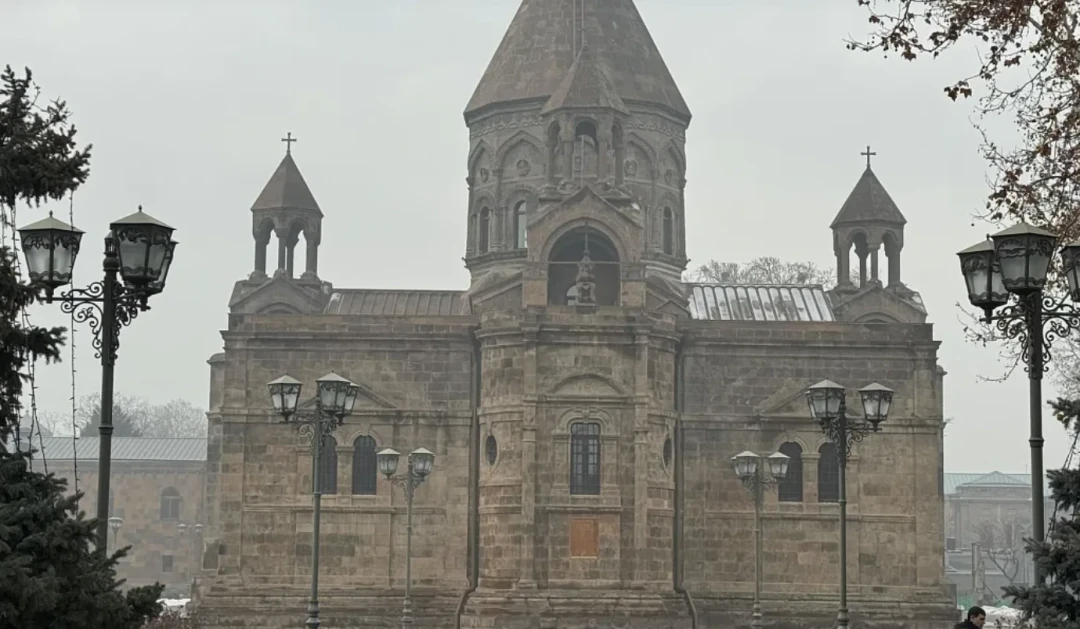
Christian Solidarity International has urged Armenia’s government to withdraw a report on the Armenian Apostolic Church, saying its proposed path to replace the Church’s leader violates religious autonomy.
In a statement issued Monday, the Swiss-based Christian rights group rejected the report’s findings and accused Prime Minister Nikol Pashinyan’s government of trying to bring the Church under state control. It called on the United States, the European Union and the Council of Europe to press Armenia to stop interfering in the Church’s internal affairs.
The report, published by Pashinyan’s office last week, lists 16 findings concerning the Church’s leadership, including allegations of financial misconduct, arbitrary disciplinary actions and foreign influence. It sets out a five-step plan to remove Catholicos Karekin II and elect a successor. The prime minister’s office says the report does not challenge the Church’s canonical order and that reform should be carried out by the Church itself.
Christian Solidarity International disputed both the report’s evidence and the government’s authority to produce it. The group said the document relied heavily on news reports, social media posts and claims by clerics opposed to Karekin II, while offering little primary evidence. It also argued that publishing allegations against clergy who face criminal proceedings could prejudice their right to a fair trial. These are the group’s assessments; the statement did not establish whether the report’s allegations are true or false.
“The State has no role in removing or replacing the Catholicos,” the statement, signed by the group’s president, John Eibner, said.
The report is the latest development in a prolonged confrontation between Pashinyan and Karekin II. The prime minister has repeatedly called for the Church leader to step down. Karekin II and six senior clerics also face charges over an alleged failure to comply with a court order temporarily reinstating a defrocked bishop. The Church has described the case as unlawful interference in its affairs.
CSI’s statement adds to criticism from religious and rights groups over the Armenian government’s handling of its dispute with the Church. The World Council of Churches has warned against interference in the Church’s internal affairs. In a separate case involving Archbishop Bagrat Galstanyan and his supporters, six UN human rights experts questioned Armenia’s use of terrorism charges and cited allegations of a broader campaign against the Church. The experts said they had not determined whether those allegations were true; the government rejected concerns that the prosecution was politically or religiously motivated.


 Stories