By Siranush Adamyan
Peace between Armenia and Azerbaijan cannot be lasting without the release of Armenian prisoners and protection of the rights of people displaced from Nagorno-Karabakh, speakers at a Geneva discussion said on Tuesday, urging international action three years after the region’s Armenian population fled.
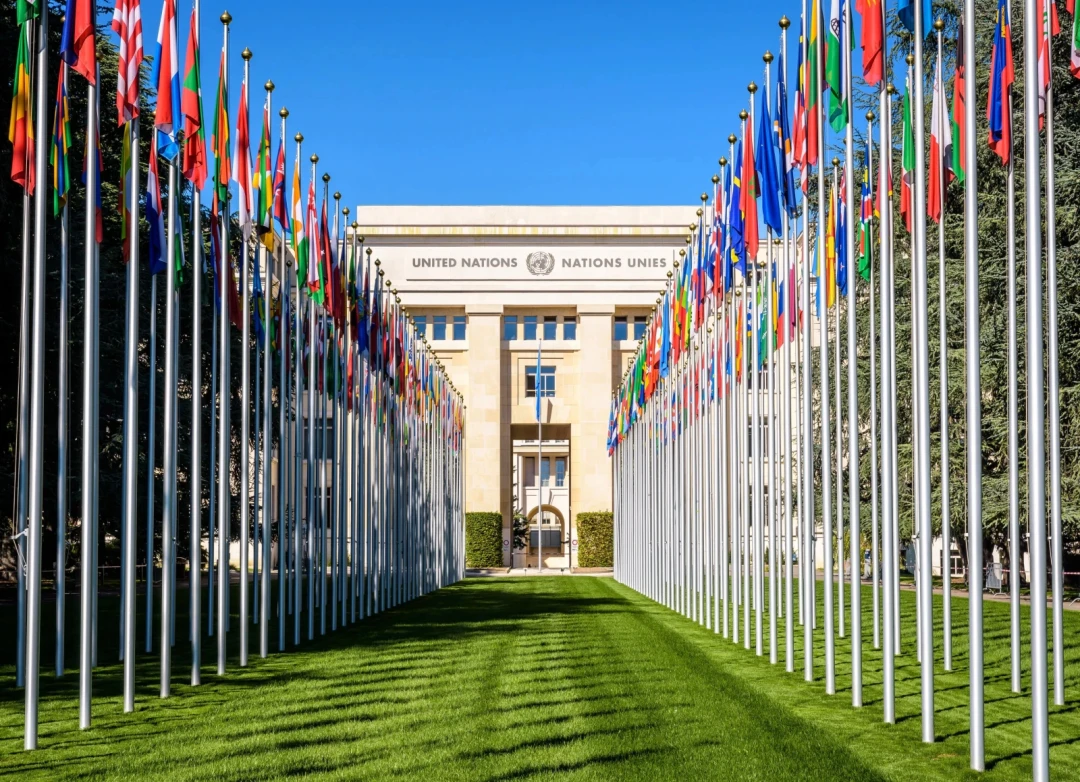
The September 28 event, organized by Christian Solidarity International (CSI) with the European Center for Law and Justice (ECLJ), took place on the sidelines of the UN Human Rights Council’s 63rd session. Participants called for international security guarantees for returnees, independent access to detainees and monitoring of Armenian cultural heritage.
Joel Veldkamp, CSI’s director for public advocacy and the moderator, criticized international powers for pursuing regional stability without addressing what he described as ethnic cleansing, hostage-taking and cultural destruction.
“A lasting peace cannot be built on this ethnic cleansing,” he said, arguing that a failure to hold Azerbaijan accountable would encourage further aggression.
Azerbaijan’s military offensive in September 2023 resulted in the ethnic cleansing of Nagorno-Karabakh’s Armenian population, forcing more than 100,000 people to flee to Armenia. The assault followed a nine-month blockade that had left the population facing severe shortages of food, medicine and fuel.
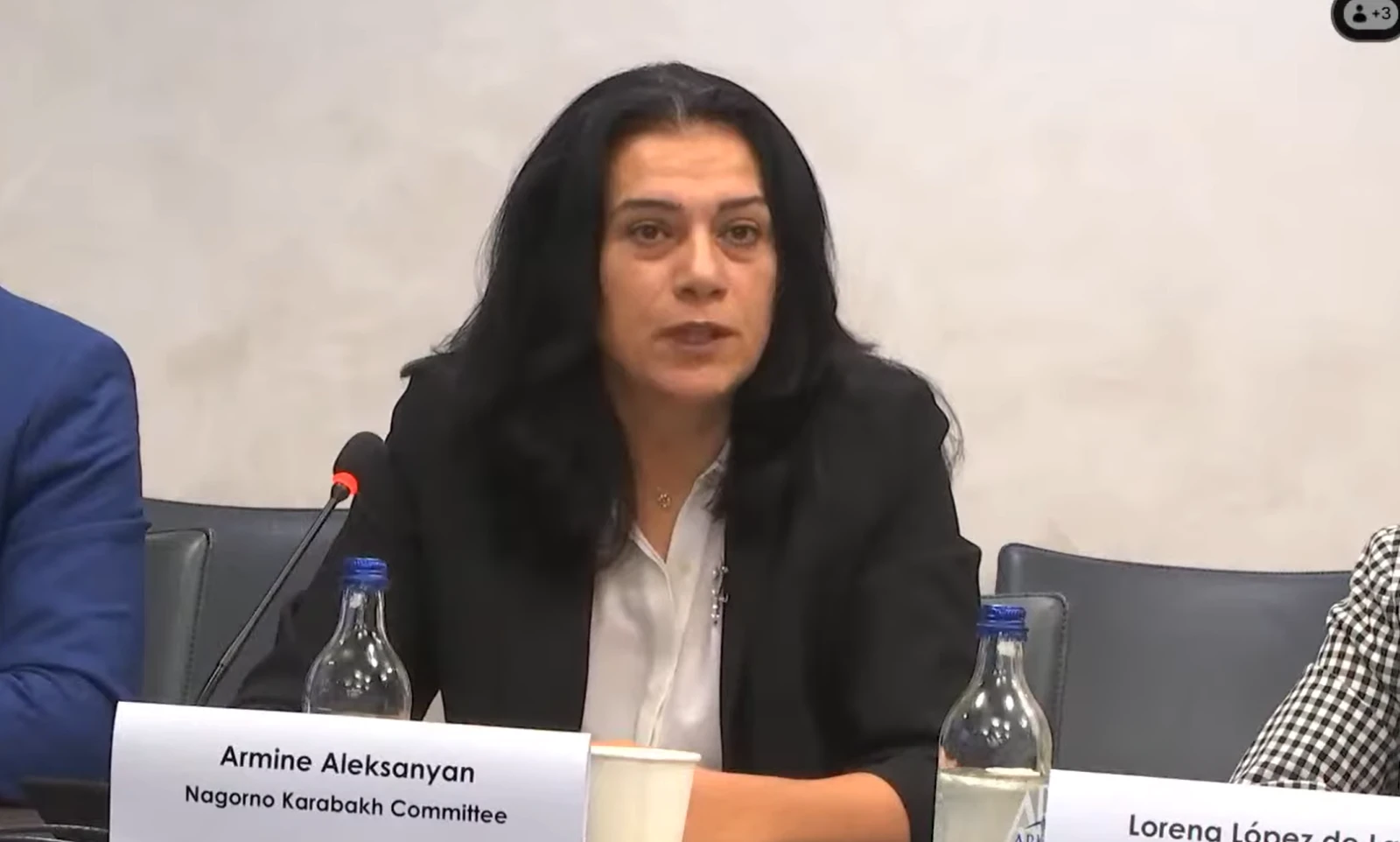
Armine Aleksanyan, a former deputy foreign minister of Nagorno-Karabakh, said the displacement must be understood through the experience of families unable to feed their children or obtain medical care before fleeing.
“Peace cannot be built on fear,” she said.
Aleksanyan urged governments to ensure the displaced could return under international security guarantees. She also called for regular independent visits to prisoners held in Azerbaijan and monitoring of heritage sites, including through satellite imagery while access remained restricted.
The International Court of Justice ordered Azerbaijan in November 2023 to ensure that people who left Nagorno-Karabakh after the offensive and wished to return could do so safely and without obstruction. The provisional measures did not establish a mechanism for international protection.
Siranush Sahakyan, a human rights lawyer representing Armenian detainees, said 20 Armenians remained imprisoned in Baku. Joining remotely, she warned that diplomatic progress had not brought comparable improvements in their protection or contact with relatives.
“These are not privileges. These are basic safeguards of human dignity,” she said of independent monitoring, medical care and family contact.
Sahakyan said no further International Committee of the Red Cross visit had been reported in 2026 following a visit in December 2025. Families remained unable to see their relatives, she said, while efforts to arrange access through a third country had not produced visits.
She contrasted the absence of a prisoner-release requirement in the peace agreement initialed in Washington in August 2025 with its provision requiring the withdrawal or settlement of interstate legal claims within one month of entry into force. The text separately commits both countries to addressing missing persons and enforced disappearances.
A recorded testimony from Hranush Sahakyan, whose husband Lyudvig Mkrtchyan was captured during the 2020 war, illustrated the impact on families. She said she had identified him in videos showing him being beaten and tortured, and described the lasting distress suffered by their children.
“My two children have still not been able to recover from that situation to this day,” she said.
Thibault van den Bossche, an ECLJ advocacy officer presenting the organization’s report, argued that commercial and energy interests had weakened international pressure on Azerbaijan. He accused Baku of destroying Armenian churches and cemeteries and reassigning surviving monuments to Caucasian Albanian heritage.
“Do not let economic dependency dictate the boundaries of international law,” he said.
He urged governments to freeze expansions of energy agreements with Azerbaijan until it met its human rights obligations and released Armenian detainees, and called for an independent fact-finding mission.
Lorena Lopez de Lacalle, president of the European Free Alliance, which represents parties advocating for stateless nations, regions and minorities, linked the displaced population’s rights to self-determination.
“We must fight for the release of political prisoners,” she said, also urging support for displaced people wishing to return in dignified conditions.
International lawyer Karnig Kerkonian, a member of the Armenian Legal Defense Front and the Nagorno-Karabakh Committee, said return should be collective, internationally protected and accompanied by guarantees of fundamental rights.
“The question now is not whether the Armenians have a right to return. The question is how,” he said.
Kerkonian argued that the obstacle was political will: international governments needed to press Azerbaijan to negotiate directly with representatives of the displaced population.

 Stories