By Lia Avagyan
Armenia has postponed parliamentary consideration of a bill requiring mobile phones to be registered by their IMEI numbers for up to two months to clarify technical provisions, High-Tech Industry Minister Davit Tadevosyan said Wednesday.
Speaking at a parliamentary committee meeting, Tadevosyan said the additional time would allow officials to make the bill’s terminology more precise and address comments received on the proposal.
“The main issue the government wants to address through this initiative is combating shadow turnover,” he said, describing the measure’s primary purpose as tackling a fiscal problem.
Armenia has postponed parliamentary consideration of a bill requiring mobile phones to be registered by their IMEI numbers for up to two months to clarify technical provisions, High-Tech Industry Minister Davit Tadevosyan said Wednesday.
Speaking at a parliamentary committee meeting, Tadevosyan said the additional time would allow officials to make the bill’s terminology more precise and address comments received on the proposal.
“The main issue the government wants to address through this initiative is combating shadow turnover,” he said, describing the measure’s primary purpose as tackling a fiscal problem.
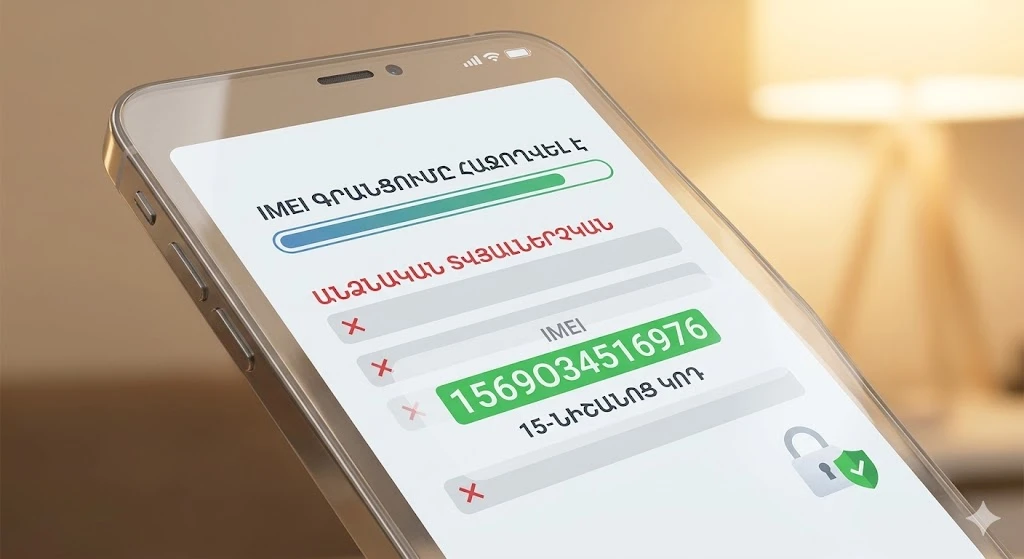
The government approved the draft legislation on June 25. The proposal would require every mobile phone in Armenia to be entered into a central registry and bar unregistered devices from connecting to local networks. IMEI, or International Mobile Equipment Identity, is a unique 15-digit number identifying a handset.
Also read: Armenia moves to register every phone, drawing surveillance concerns
Tadevosyan said a new organization would be established with the participation of telecom operators to manage the database. The system would identify legally imported phones and allow sanctions against devices that fail to meet legal requirements, he said.

The revised bill would be submitted for further consideration and adoption as soon as possible, within two months, the minister added.
Under the draft previously approved by the government, the law would take effect one year after publication. Phones already in use or imported before that date would be registered automatically and free of charge. People subsequently bringing in phones for personal use would have to register them and, in some cases, pay a state duty.
The proposal has drawn criticism from cybersecurity specialists and digital rights advocates, who warn that a centralized registry could facilitate surveillance and expose users to data leaks. Critics have also questioned a provision allowing the registry’s administrator to use the data to provide other digital services to public bodies and private clients.
The government said in July that the system would not collect personal data or monitor citizens. Officials said the database would contain only IMEI numbers and would help curb illegal imports, protect legitimate importers and reduce the circulation of devices with counterfeit or altered identifiers.
Information security expert Samvel Martirosyan told CivilNet that an IMEI number does not provide access to a phone’s contents, messages or conversations, but can make a device easier to trace. Data protection expert Grigor Hayrapetyan questioned the government’s assurances, arguing that the proposed system would link device identifiers to personal data and create risks of unauthorized access or misuse.





 Stories