By Siranush Adamyan
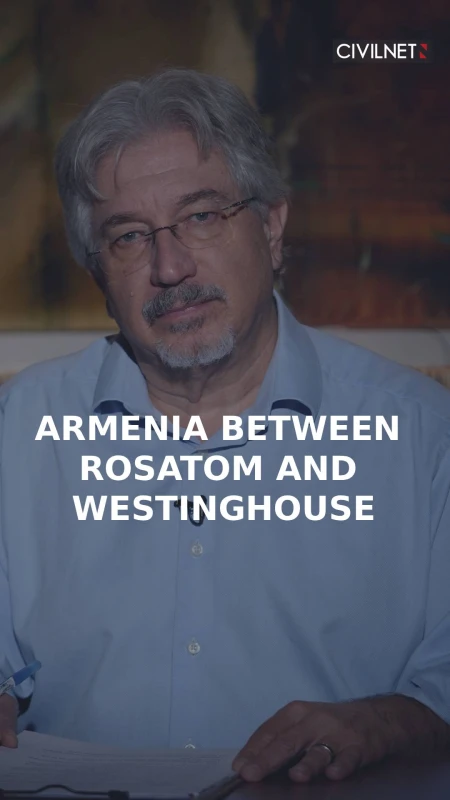
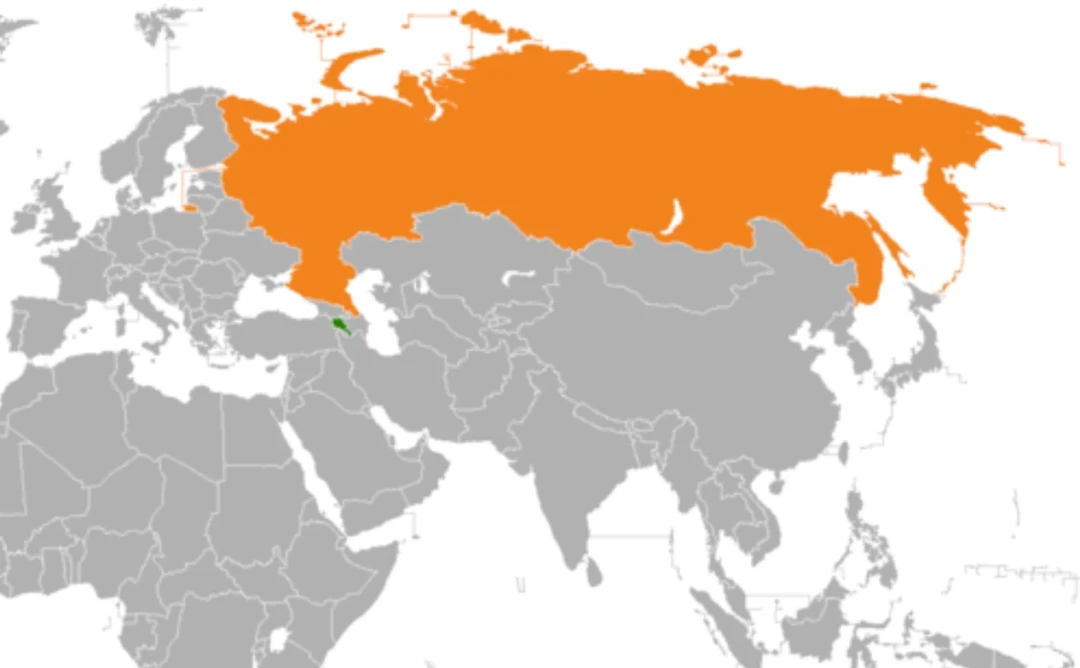
Armenia’s possible choice of Russia to build its next nuclear power plant would raise questions about Yerevan’s stated policy of diversifying away from excessive dependence on any single country, political analyst Alexander Iskandaryan said in a CivilNet interview published on October 15.
Iskandaryan, director of the Caucasus Institute, said Armenia appeared to be seriously considering a new plant built by Russia’s state nuclear corporation Rosatom. He stressed that he had no inside information and was drawing conclusions from public statements by Armenian officials, including Prime Minister Nikol Pashinyan.
If Armenia accepts a Russian proposal, Russia would continue to dominate the country’s energy sector, Iskandaryan said, posing an obvious question about how such a decision would fit with the government’s diversification policy.
Pashinyan’s position on the size of Armenia’s future nuclear plant has shifted in recent weeks. Armenian officials had previously emphasized relatively small generating capacity and considered small modular reactors, or SMRs, among the possible options. But on October 1, Pashinyan said a 1,000-megawatt plant could be the most logical choice because Armenia’s projected electricity needs were growing, including due to artificial intelligence projects.
CivilNet reported that Pashinyan had also said in September that Armenia had never ruled out Russian participation and would select a partner based on price, quality and construction timelines. He argued that diversification should not mean excluding Russia, but avoiding disproportionate dependence on any single country.
Also read: Pashinyan does not rule out Russia building Armenia’s new nuclear plant
Rosatom Director General Alexey Likhachev visited Yerevan on September 29 and presented proposals for a new plant, including small- and medium-capacity options. Two days later, Pashinyan publicly raised the possibility of a much larger plant.
Ara Marjanyan, a United Nations national energy expert in Armenia, told CivilNet on October 2 that Russia currently had the most developed proposal in engineering and economic terms. Armenia’s Soviet-built Metsamor reactor is scheduled to operate until 2036, while the government has set the end of 2027 as the deadline for choosing replacement technology.
Iskandaryan said he saw no realistic prospect at present for deploying the kind of small modular reactors Armenia would need. He stressed that he was not a nuclear-energy specialist, but said experts he had consulted in Armenia and abroad had told him such reactors, in the form required for civilian use, were not currently available.
Large reactors could also be built by countries such as France, he said, but he argued those options would be several times more expensive. He also pointed to Armenia’s existing Soviet-built plant and the experience of its nuclear workforce, saying retraining specialists or bringing in personnel familiar with a different reactor technology would create additional difficulties.
Iskandaryan also linked the need for additional generating capacity to new data centers being developed in Armenia. He said electricity demand would rise sharply once those facilities began operating at scale.
Pashinyan has made a similar argument, saying this month that the electricity requirements of already approved artificial intelligence projects exceeded Armenia’s existing capacity. He also said Amazon was interested in investing if Armenia could guarantee sufficient electricity supply.
Railway concession could become bargaining point
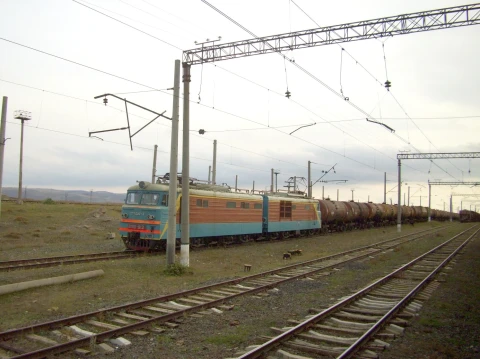
Iskandaryan also addressed another major issue in Armenian-Russian relations: Russia’s management of Armenia’s railway network.
South Caucasus Railway, a subsidiary of Russian Railways, has operated the network under a 30-year concession agreement since 2008.
Pashinyan has asked Moscow to sell the concession rights to Armenia or to a third country acceptable to both sides. He has argued that tensions between Russia and the West, including sanctions risks, could prevent Armenia from taking full advantage of emerging regional transport routes.
On October 7, Pashinyan said Armenia had legal grounds to terminate the concession but preferred an agreed solution with Moscow.
Iskandaryan said a Russian withdrawal from the concession did not appear particularly likely at present, although he said it could become a subject of negotiations.
In his assessment, Armenia’s railway is not an economic asset comparable in importance to Russian interests in Armenia’s nuclear or gas sectors. But he agreed that the railway has geopolitical value.
Russian Railways chief Oleg Belozerov visited Yerevan on October 14 and met Pashinyan. The government said they discussed management efficiency, existing problems and possible solutions regarding the South Caucasus Railway.
From security dependence to transactional ties
Iskandaryan said Armenia-Russia relations remain in a political crisis and are unlikely to return to the model that existed before 2020.
Pashinyan’s government, he said, appeared to be trying to soften that crisis, reduce risks and make relations more manageable. But Russia no longer holds the kind of security monopoly in the South Caucasus that it once did.
As a result, Iskandaryan said, relations are increasingly becoming transactional: each side considers what it can offer, what it needs and where it can compromise. Economics, energy and communications therefore become more important components of the relationship.
Russia still has substantial leverage. Iskandaryan pointed to the Russian market, transport through the Upper Lars crossing point on the Georgia-Russia border, Russian-owned assets in Armenia, gas prices and the large number of Armenians connected economically to Russia. He described the relationship as asymmetric because Russia has considerably greater importance for Armenia than Armenia has for Russia.
At the same time, Armenia’s relatively limited importance to Russia gives Yerevan some freedom in its decision-making, he said. Armenia does not have the same “existential” importance for Moscow that Ukraine does, in his assessment.
That freedom is sharply constrained by geography and Armenia’s unresolved problems with Azerbaijan and Turkey, he added.
Iskandaryan said Armenia’s room for maneuver in its relations with Russia would expand considerably if relations with Azerbaijan and Turkey were genuinely normalized and regional transport links reopened.


 Stories