 Gevorg Tosunyan
Business leaders across Turkey are calling for the reopening of the land border with Armenia. They see it as a gateway to Eurasian markets and a way to cut costly transit through third countries.
Ankara still conditions any border opening on Armenia signing a peace treaty with Azerbaijan. Meanwhile, trade between the two countries goes around the border, closed since 1993, through intermediaries in Georgia. The result is trade heavily skewed in Turkey's favor.
Official trade statistics show a widening gap. Armenian exports to Turkey fell from $61.2 mn in 2022 to less than $500,000 in 2025. Imports of Turkish-origin goods into Armenia reached a record $368.5 mn in 2025. In the first eight months of 2026, imports totaled $296.9 mn, compared with $406,500 in exports. More than half of all Turkish goods arrived through third countries.
A link to Eurasian markets
In Diyarbakır, the commercial and cultural hub of Turkey's Kurdish-majority southeast, business representatives see Armenia as a direct link to the Eurasian Economic Union (EAEU).
Mehmet Kaya, chairman of the Diyarbakır Chamber of Commerce and Industry, met with a joint delegation of Armenian and Turkish journalists taking part in an EU-funded program implemented by the Eurasia Partnership Foundation. Kaya and local business leaders welcomed the delegation by noting that the region is the historical homeland of Armenians. They said the business community favors cooperation regardless of political disputes.
Kaya argued that a developed country should conduct at least half of its foreign trade with its neighbors. He said the policies of successive Turkish governments have long blocked economic ties with regional partners, including Armenia.
Kaya told CivilNet that opening the border would give Turkish businesses access to the EAEU market, which includes Russia, Belarus, Kazakhstan, Kyrgyzstan and Armenia. He estimated this could generate at least $10 bn in regional trade.
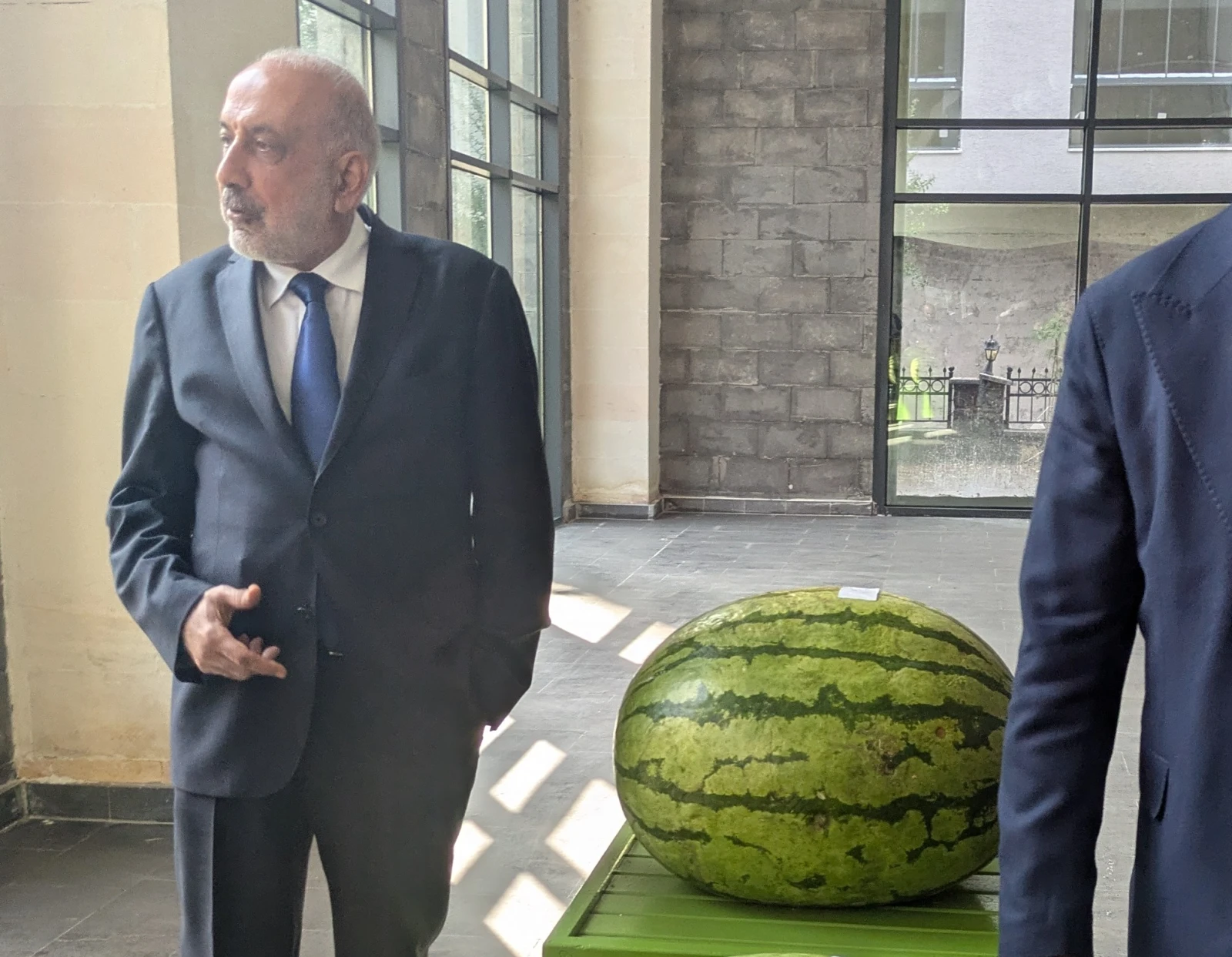
Business leaders in the border provinces of Van and Kars, as well as in industrial centers such as Izmir and Istanbul, voiced similar priorities. In Van, Necmeddin Çok, board chairman of food producer Vantat, said his company envisions joint projects. These could include small production facilities in both Armenia and Turkey, depending on market demand.
Transit through Georgia and an unused customs code
Under current conditions, goods traveling between the two countries must go through intermediaries, mainly transport companies in Georgia. The routing adds freight costs, complicates returns and raises retail prices in Armenia.
In July, Turkish authorities added Armenia's official country code, 077, to the national customs system. The code is meant for declaring indirect imports, exports and transit transactions.
However, business executives on both sides say the code is not yet in use.
"It is like God: we have all heard of it and know about it, but no one has actually seen it," said Hrachya Shmavonyan, chief executive of Armenia's Dargett Brewery.
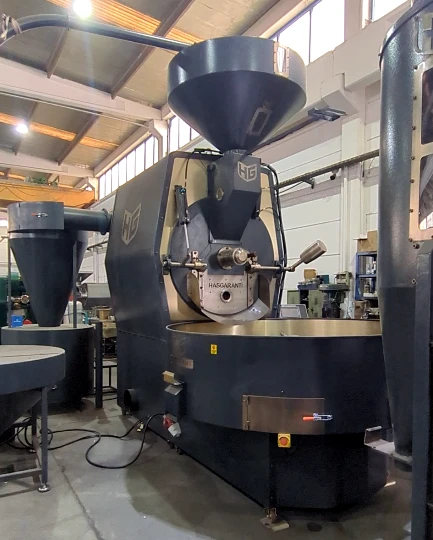
Trade continues regardless. Müjdat Aydın, general manager of Izmir-based Hasgaranti, which makes coffee roasting and grinding equipment, said his firm has worked with Armenian buyers for 15 years. The company is currently shipping an industrial roasting machine worth about $120,000 to an Armenian client through Georgia. Aydın said Armenia is a small market, but its per capita coffee consumption is exceptionally high.
Ankara's precondition and market concerns
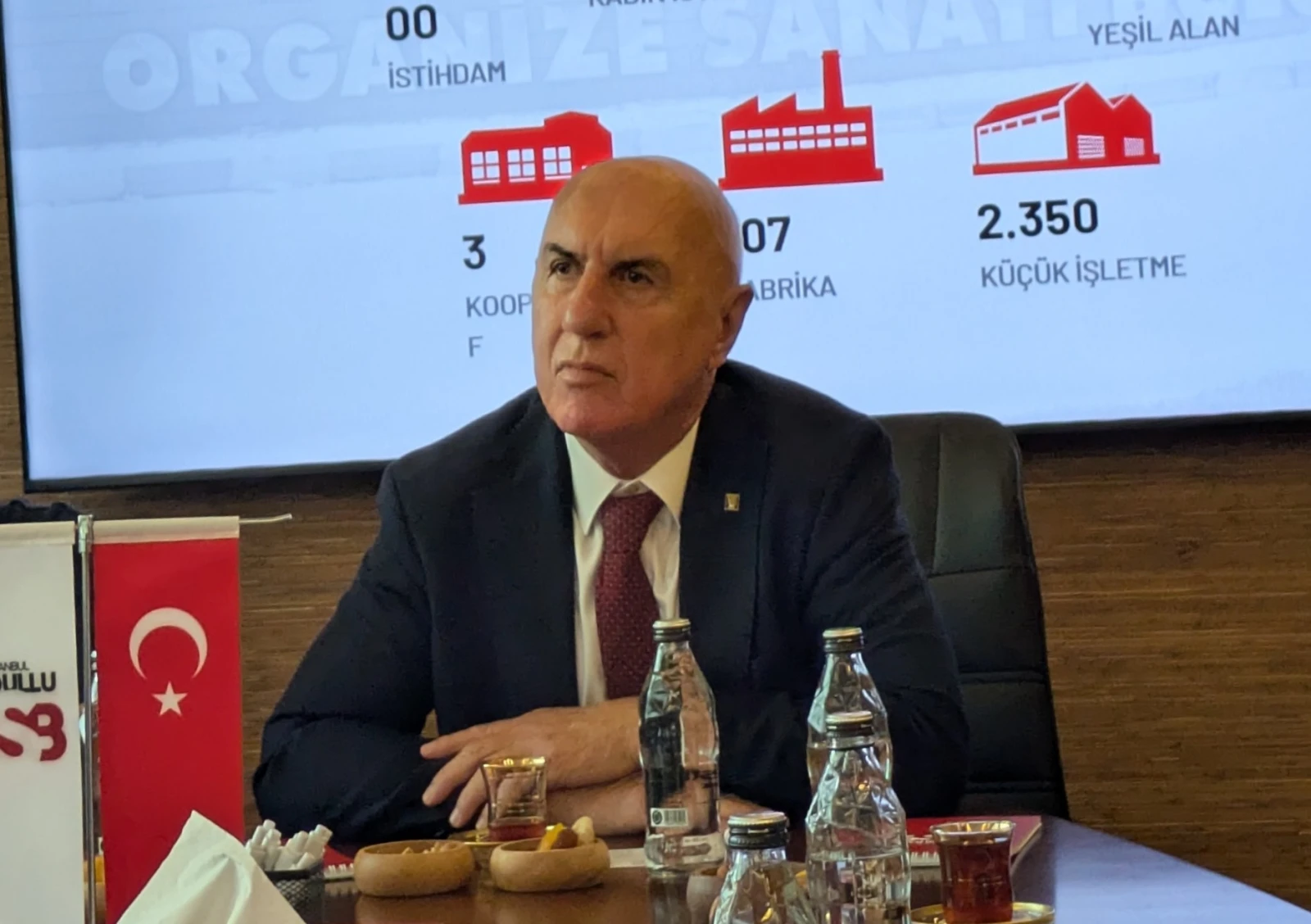
In Istanbul's Ümraniye district, the Dudullu Organized Industrial Zone and the adjacent İMES industrial estate host machinery, plastics and metallurgy companies. The complex covers 285 hectares, with 107 factories and 2,350 small enterprises employing 50,000 people. Bahri Murat Onay, chairman of the industrial zone, told CivilNet there is no tension between ordinary Turks and Armenians. He blamed the existing barriers entirely on politics.
Serdar Korucu, a journalist with CNN Türk and Kanal D who has covered Turkish-Armenian relations since 2012, said public discussion in Armenia of the Armenian Genocide has shifted in recent years. In his view, the issue has become less central to Yerevan's foreign policy agenda.
Korucu sees this shift as positive for Ankara. But he stressed that Turkey's official position has not changed: normalization still depends on a peace treaty between Armenia and Azerbaijan.
Korucu also pointed to concerns among Armenian producers that an open border could expose them to unequal competition from Turkey's much larger economy and industrial base. However, he said the real economic impact can only be assessed once the border opens.
Memories of an open border and hopes for the railway
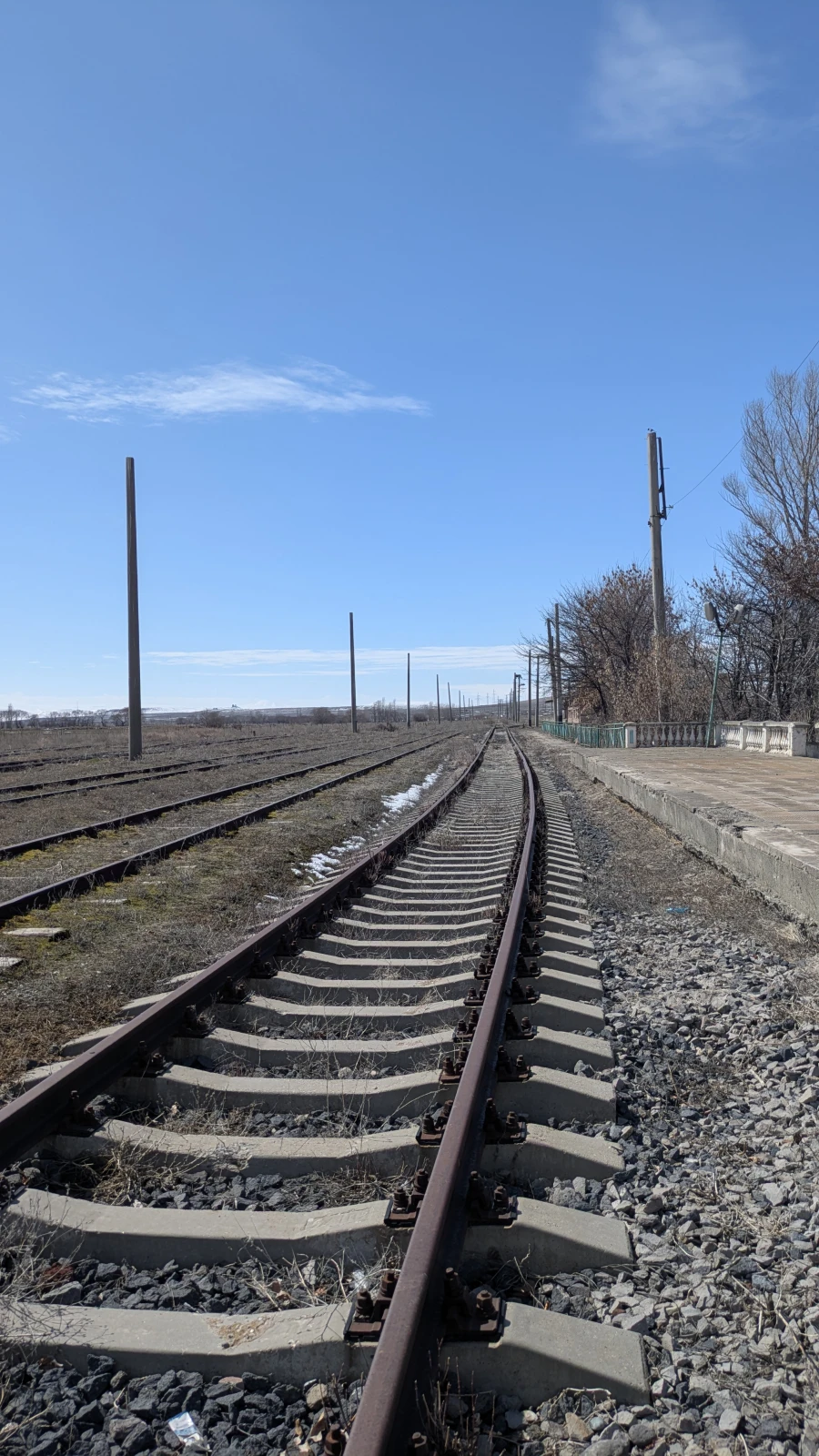
In border communities, residents and journalists focus on the immediate benefits of restoring local transport links, especially the dormant Kars-Gyumri railway.
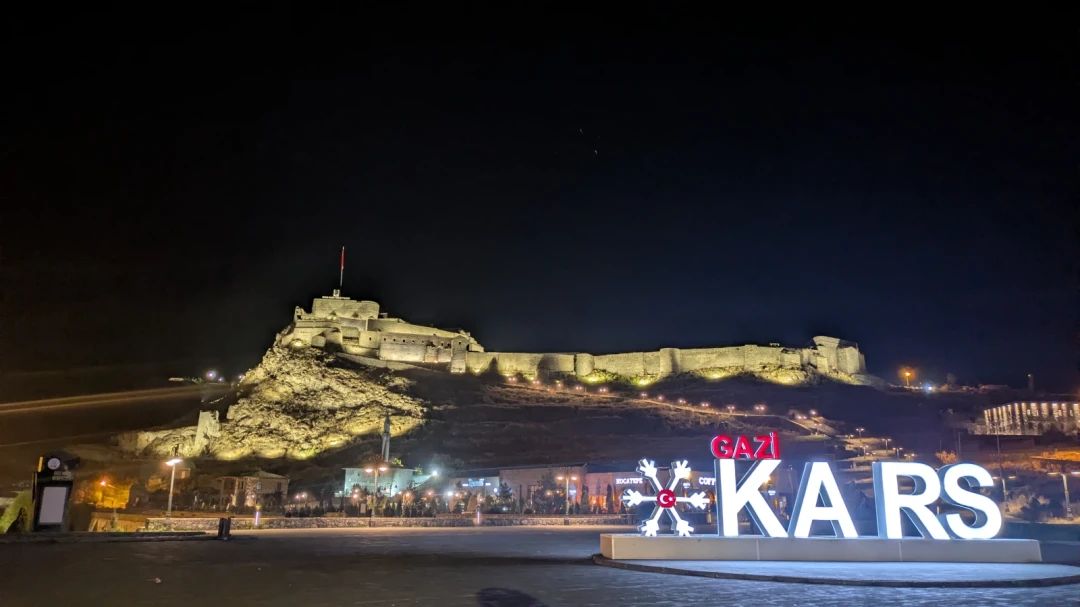
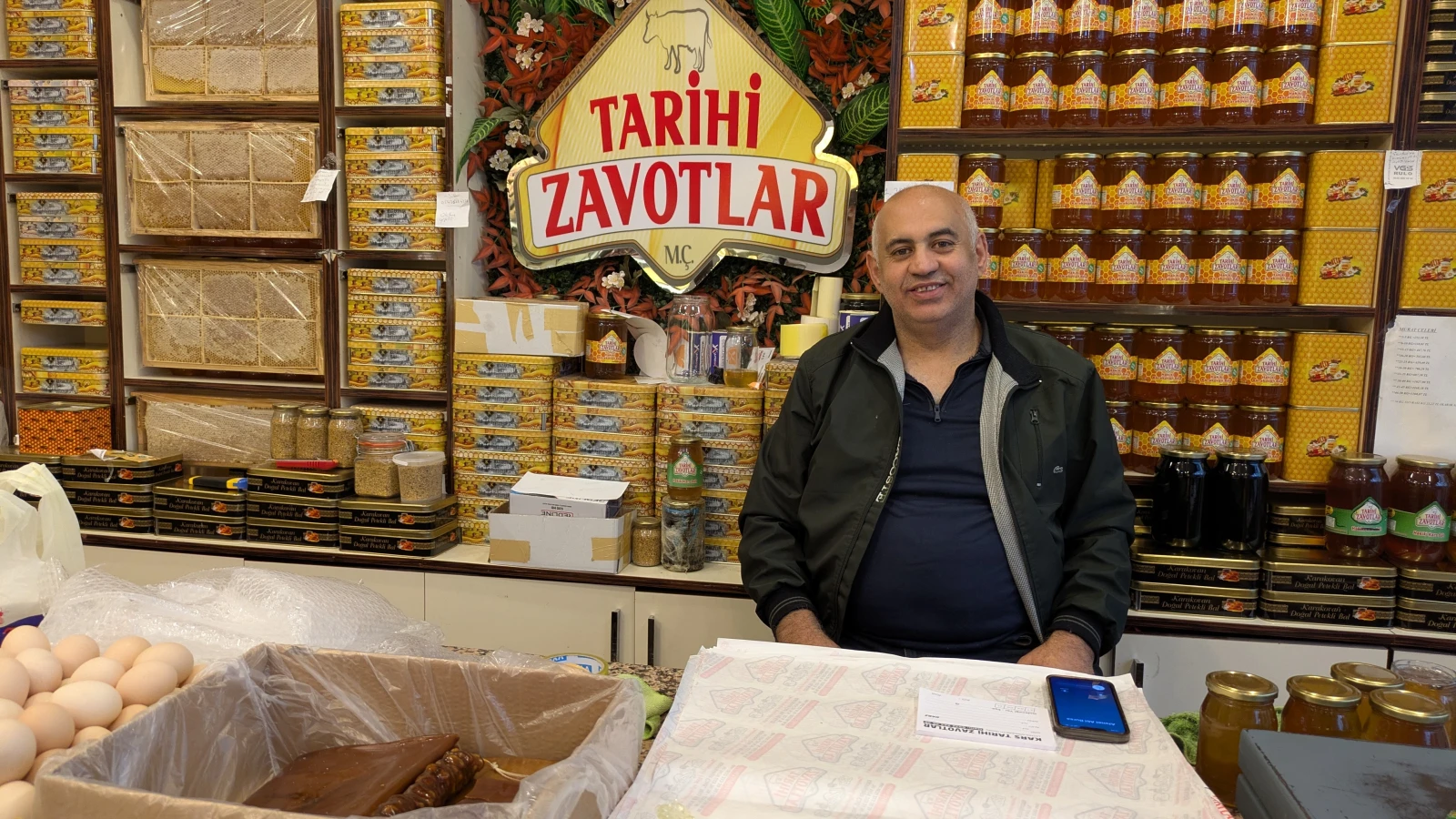
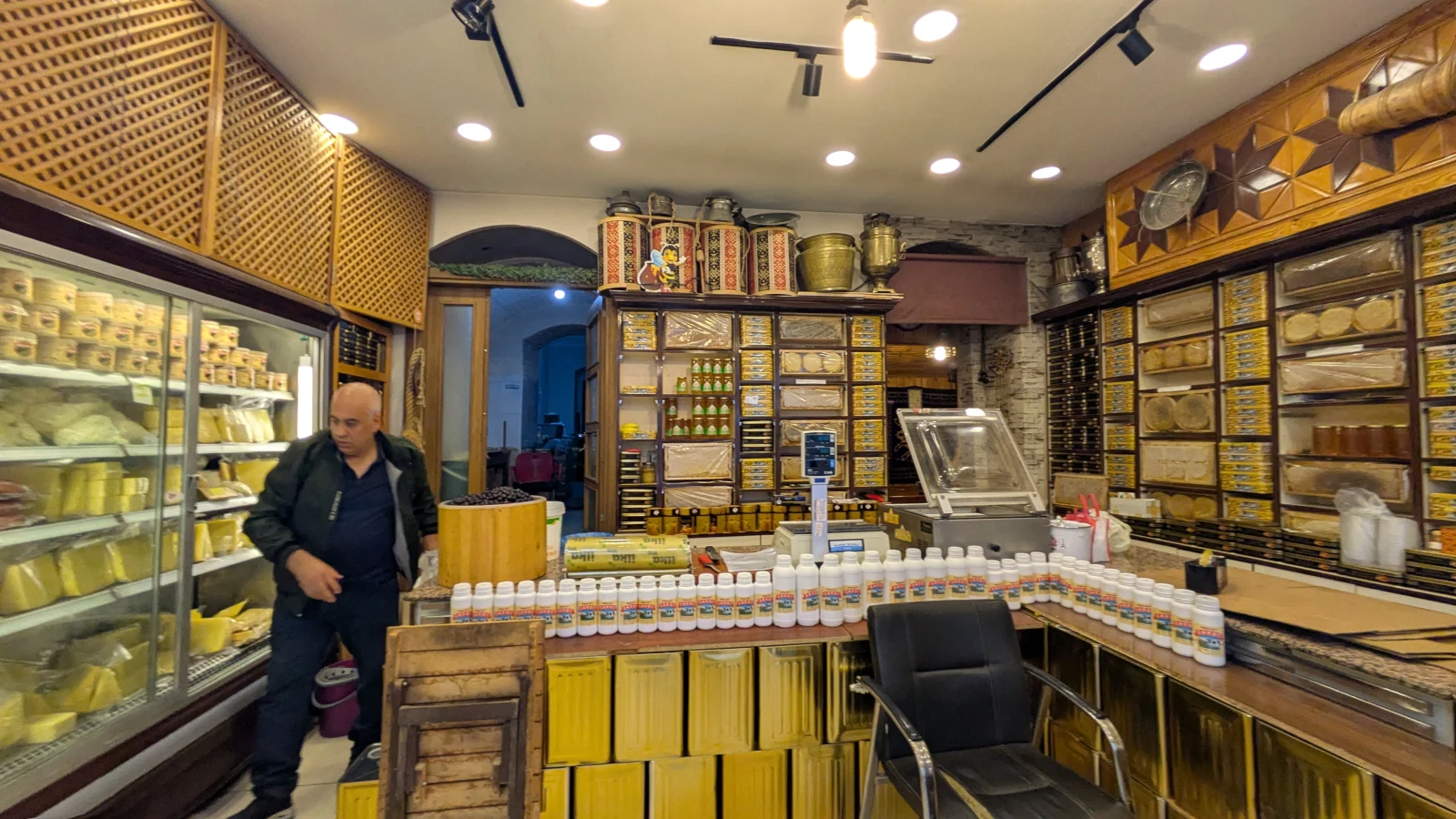
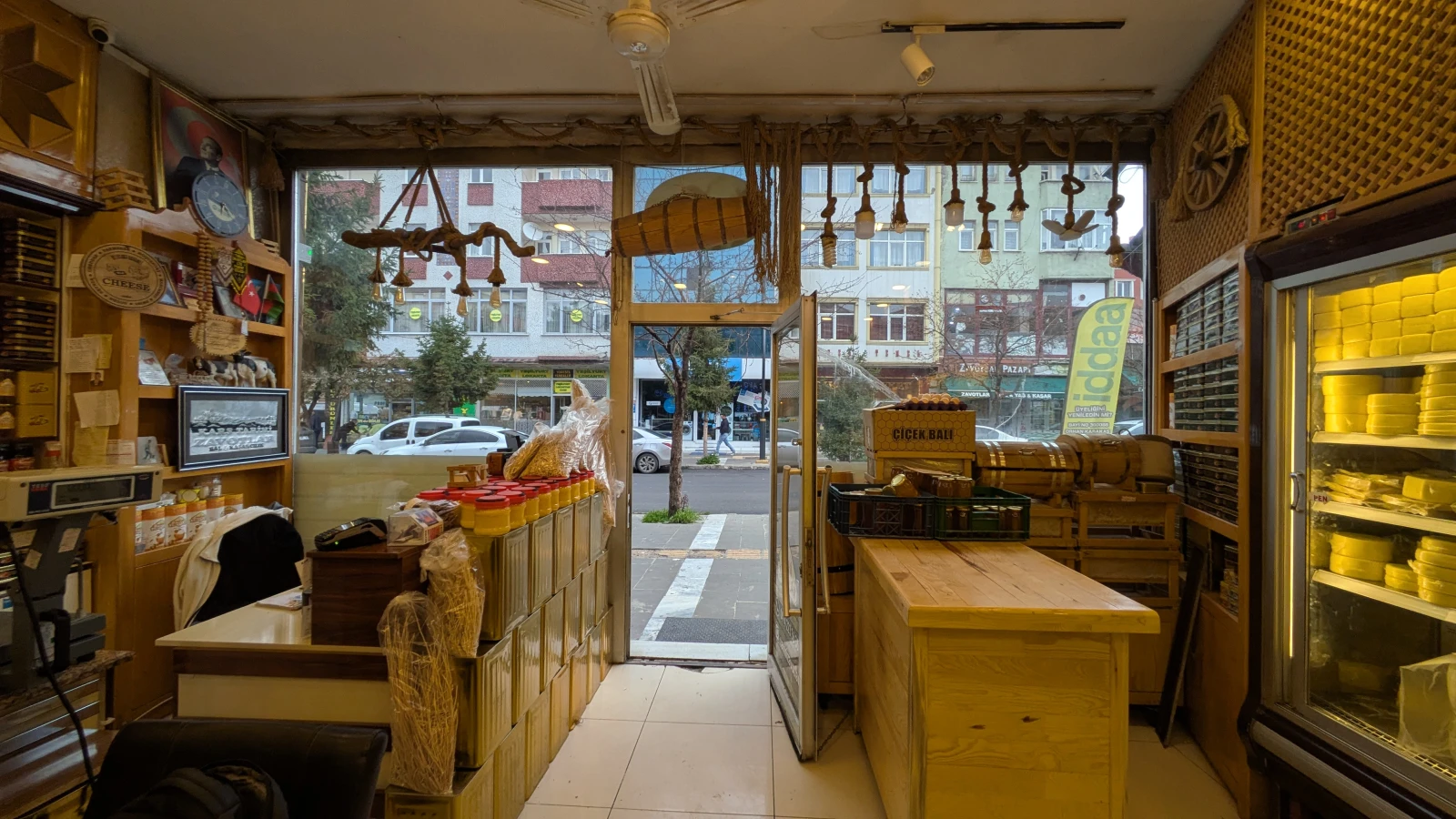
In Kars, Murat Çelebi has run his father's cheese and honey store for 35 years. A Kurdish merchant of Armenian descent, Çelebi said keeping the border closed benefits no one and hurts the local economy. He estimated that 80 to 90 percent of Kars residents favor reopening it. The connection is also personal: his brother visited Armenia and brought back a porcelain cow figurine that now sits on the store counter.
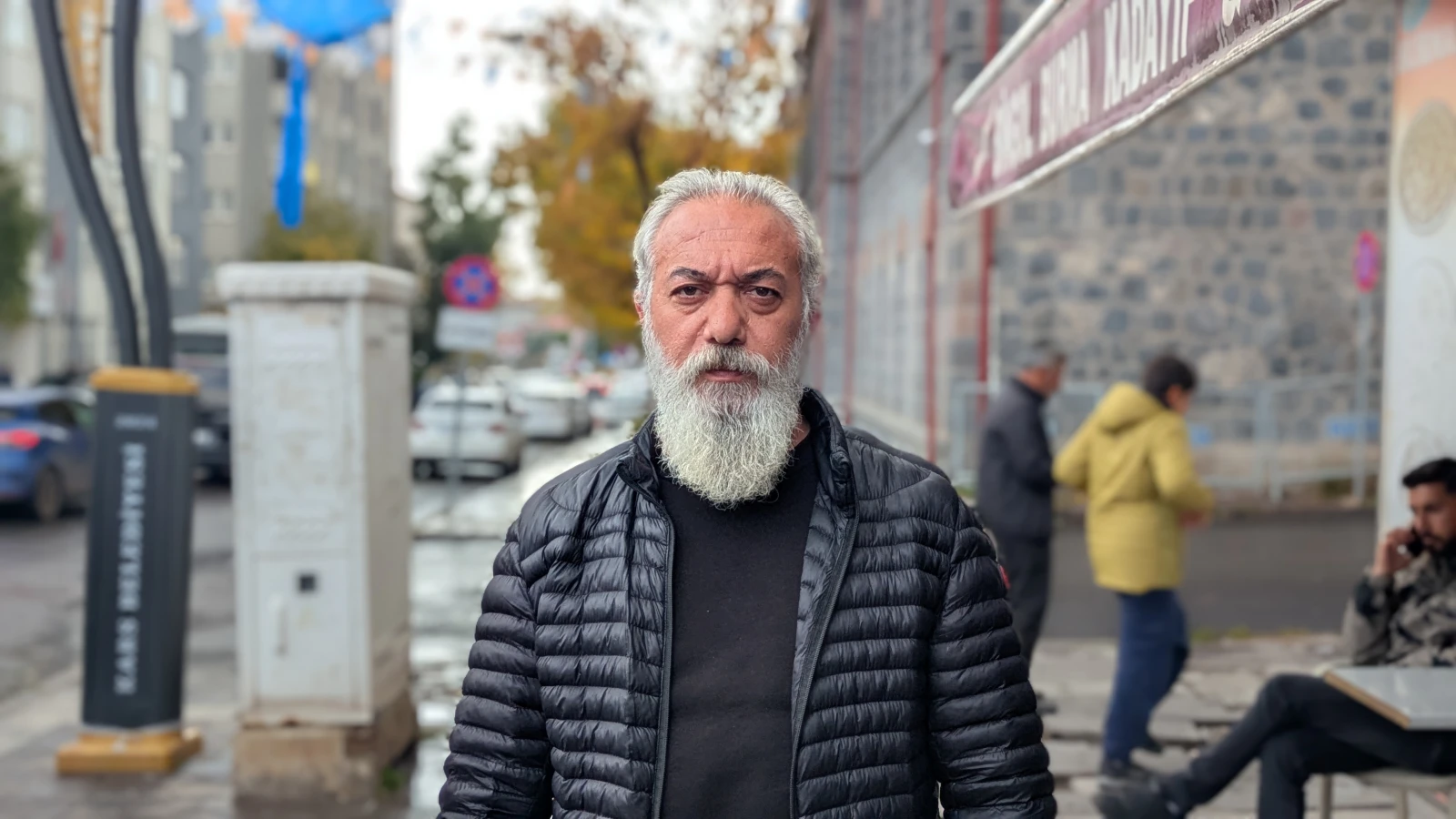
Olcay Okan Avşar, the Kurdish editor-in-chief of Kars broadcaster Serhat TV, recalled that in the early 1990s a train ran twice a week between Kars and Armenia. It brought vendors who sold consumer goods and food at a local market. Avşar still keeps an electronic keyboard he bought from an Armenian vendor at the time. He described the border closure as a cultural blow that drained the city of its vitality.
Armenian manufacturers weigh costs and competition
On the Armenian side of the border, businesses point to logistics savings as well as competitive challenges.
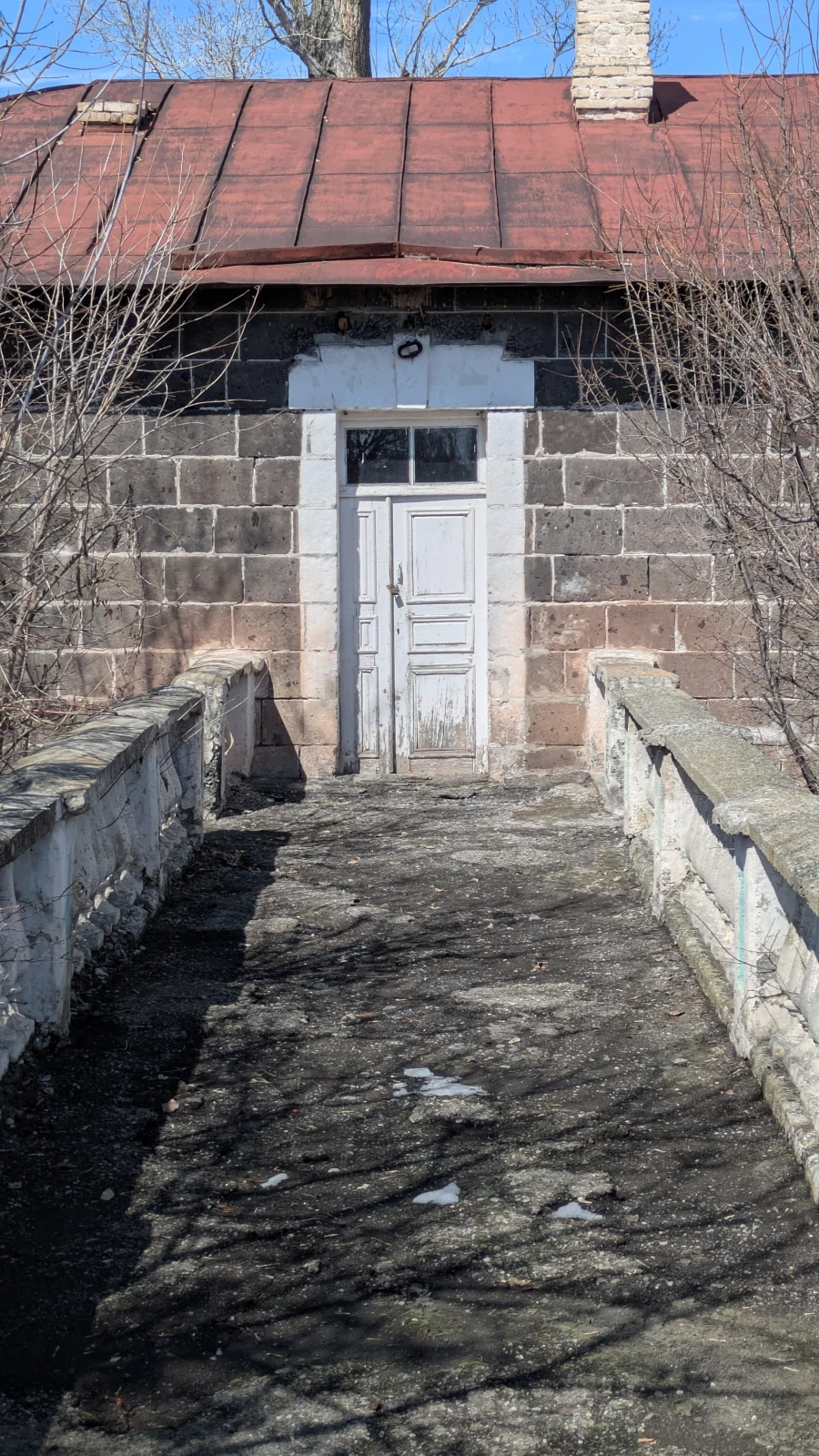
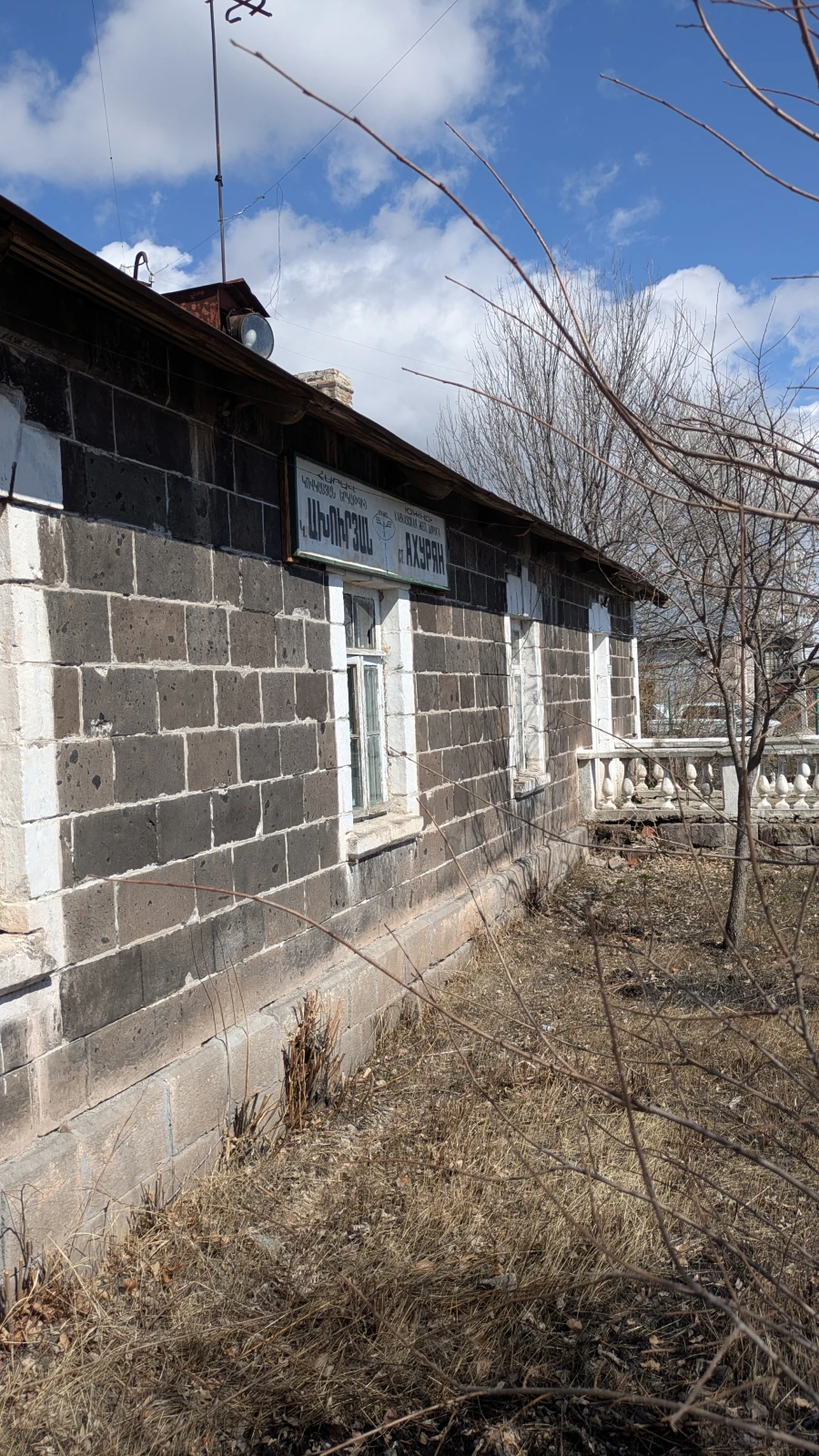
In the village of Akhurik in Shirak province, 64-year-old Artyom Mkrtchyan recalled the years when local residents worked at the Akhuryan rail terminal handling cross-border cargo. That included livestock imports from Turkey and exports of Armenian cement and farm produce.
In Gyumri, Karen Gomtsyan, director of sock and hosiery manufacturer Lentex, said his company imports yarn from Turkey. An open border would save both delivery time and transport costs, he said, making it profitable to buy raw materials from Turkey and export finished apparel back. Gomtsyan added that while Turkey has large textile firms, direct competition would push Armenian companies to become stronger.
What the trade data shows
Official customs data show that trade continues to bypass political barriers, but at a high cost for Armenia.
Between 2022 and August 2026, the closed border did not stop Turkish products from reaching Armenia, while Armenian exports fell sharply.
Armenian exports to Turkey dropped from $61.2 mn in 2022 to $6.4 mn in 2023. They fell to $413,400 in 2024 and $473,200 in 2025. In the first eight months of 2026, exports totaled $406,500.
Imports of Turkish-origin goods, by contrast, rose from $263.4 mn in 2022 to $337.1 mn in 2023. They stood at $335.9 mn in 2024 and hit a record $368.5 mn in 2025. In the first eight months of 2026, imports reached $296.9 mn.
The gap between data recorded by country of origin and by country of direct export shows how much trade relies on third-country channels. From 2022 to August 2026, more than half of all Turkish-origin goods entered Armenia through third countries, mainly Georgia.
In 2024, direct exports from Turkey accounted for only $88.8 mn of the $335.9 mn in Turkish-origin imports. In 2025, direct shipments made up $121.4 mn of $368.5 mn. In the first eight months of 2026, they accounted for $131.3 mn of $296.9 mn.
The figures back what entrepreneurs say: trade finds its way around political barriers, but third-country transit adds shipping costs and intermediary markups and deepens Armenia's trade imbalance.


 Stories