By Anton Ronis
A Yerevan resident from the 19th century would not recognize the city today. Old houses have been torn down and new districts built. The city's identity has shifted with the look of its streets, the people who walk them and the names on its street signs.
Yerevan, which marks its 2,808th anniversary this month, is still rewriting that map. On Oct. 14, the city council voted to rename two streets in honor of the ancient Yervanduni dynasty and the poet Metakse.
The decision is the latest in a wave of renamings that began 35 years ago. That wave left many streets untouched, and some of their names now raise a simple question: who was this person? CivilNet took a closer look at the map.
Bolsheviks and Soviet science
At first glance, Yerevan did not inherit the typical names of other post-Soviet cities. Lenin, Marx and Engels are gone from its map. Away from the center, however, names familiar to anyone raised in the Soviet Union, and puzzling to younger residents, are still easy to find.
Until this month, Shengavit had a street named after Mikhail Frunze, a Soviet revolutionary and Civil War commander. Despite having no military training, Frunze led Red Army units on the Eastern, Turkestan and Southern fronts. He fought White Army generals Alexander Kolchak and Pyotr Wrangel, the Basmachi movement in Turkestan and Ukrainian anarchist leader Nestor Makhno. He had no connection to Armenia. Frunze Street is the one the council has now renamed Yervanduni Street.
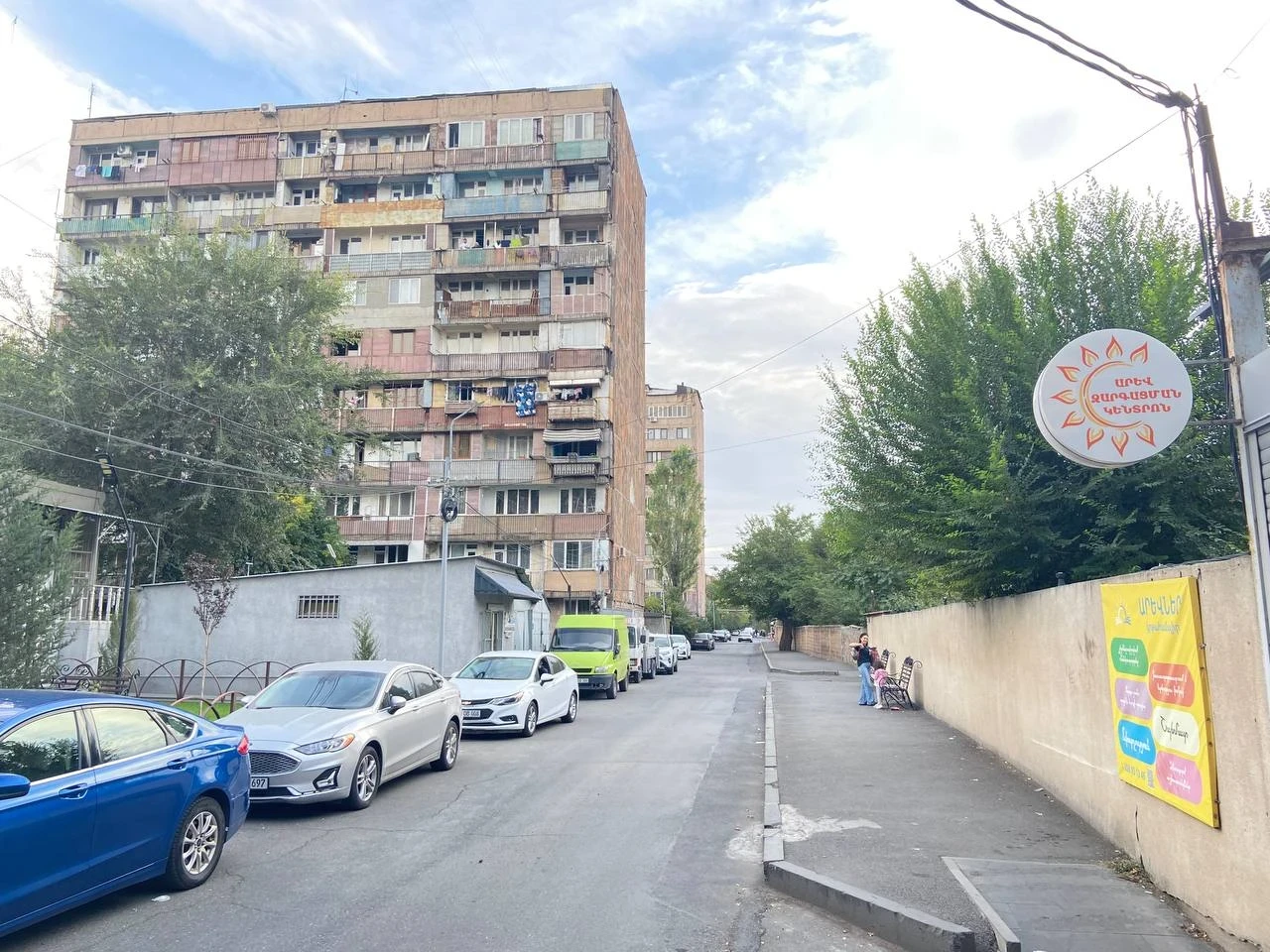
Many Red commanders were once honored on Yerevan's map. Apart from Hayk Bzhishkyan, who had ties to Armenia, Frunze was one of only two still there. The other is Grigory Kotovsky, who entered early Soviet folklore less for his military record than for his criminal past. Before the revolution, he carried out raids and robberies and was sentenced to hang, but he escaped execution. While still in prison, he set up a Committee of Elected Prisoners, a self-governing body that effectively took over the running of the prison. After his release, he became a Red Army commander on the southern fronts. He was killed in 1926 in circumstances that were never fully explained. Kotovsky Street is in Verin Shengavit. Other streets named after Bolshevik commanders were renamed after independence.
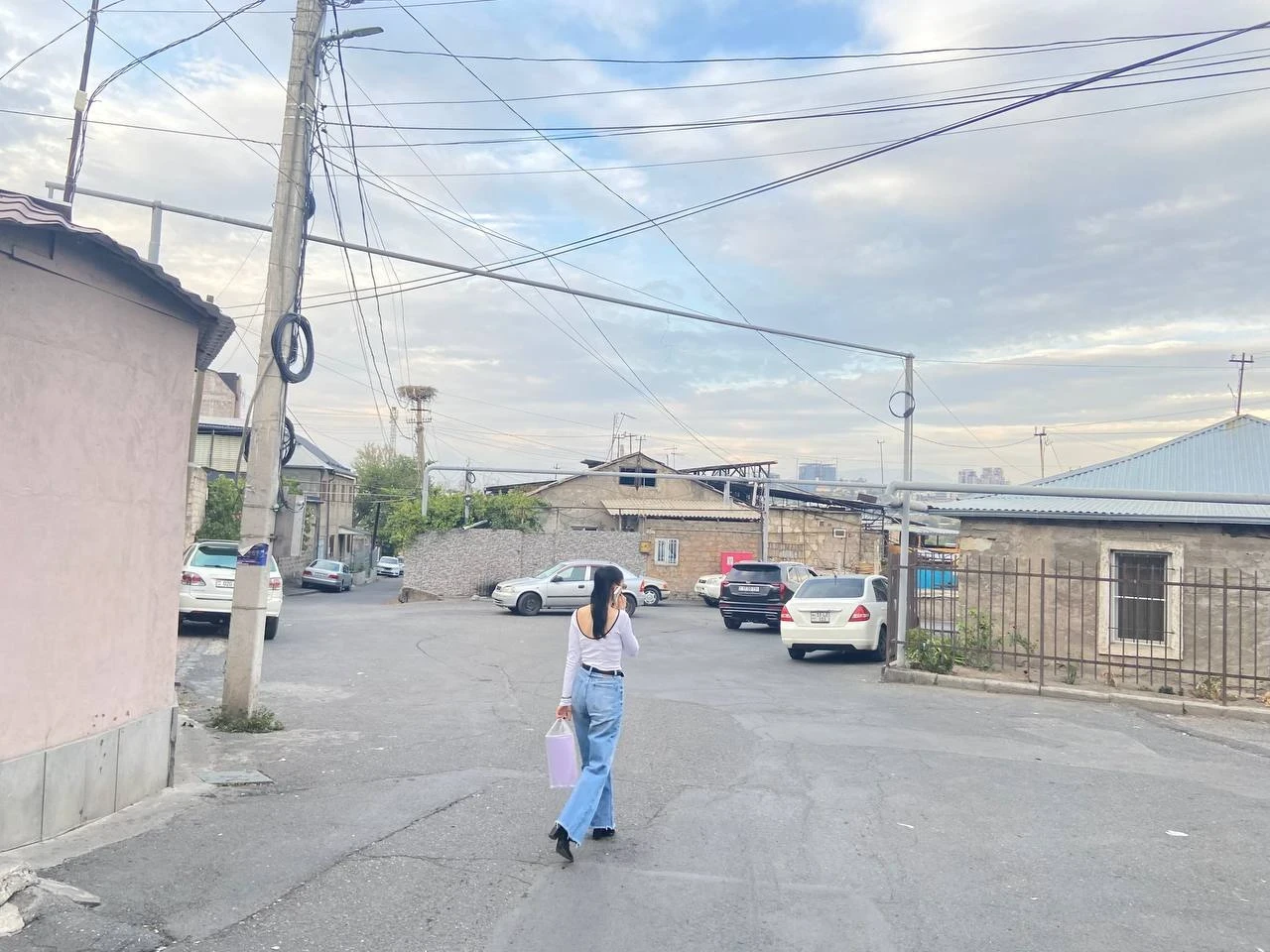
The renamings of the 1990s also spared Julius Fučík, a Czechoslovak journalist close to the communists. Fučík was an active member of the anti-Nazi underground during the German occupation of Czechoslovakia and was executed in a German prison in 1943. His book Notes from the Gallows, about his time in Prague's Pankrác prison, gained international fame. Despite his fight against the Nazis, Fučík is a contested figure in today's Czech Republic, where streets, parks and even a Prague metro station named after him have been renamed. His street in Ajapnyak appears safe for now.
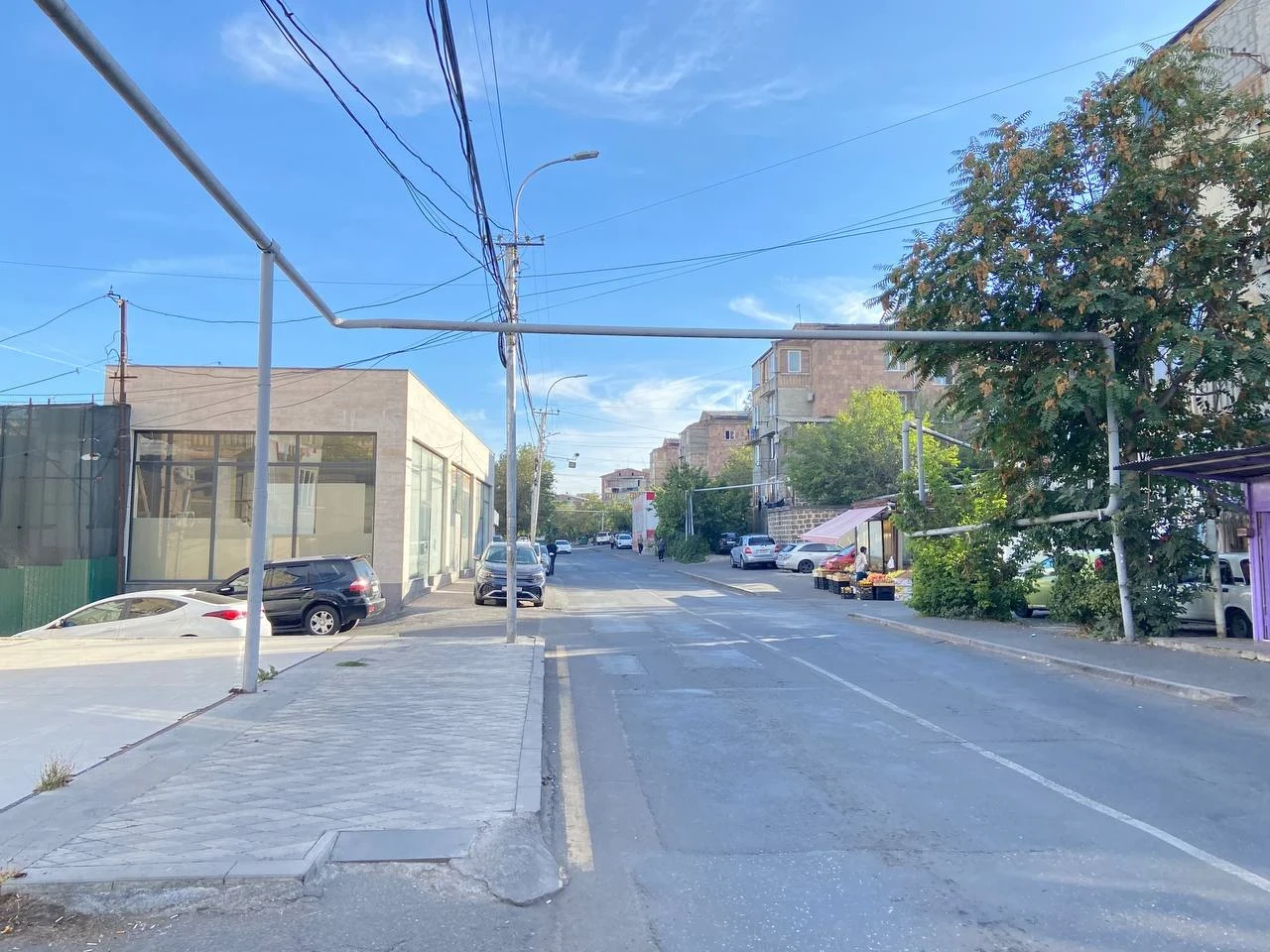
Soviet-era names also honor scientists. Verin Charbakh has a street named after Kliment Timiryazev, a Russian botanist and popularizer of science who defended Darwin's theory of evolution. His support for Soviet rule, more than his research on photosynthesis, most likely explains why his name appears in many former Soviet cities, including Yerevan.
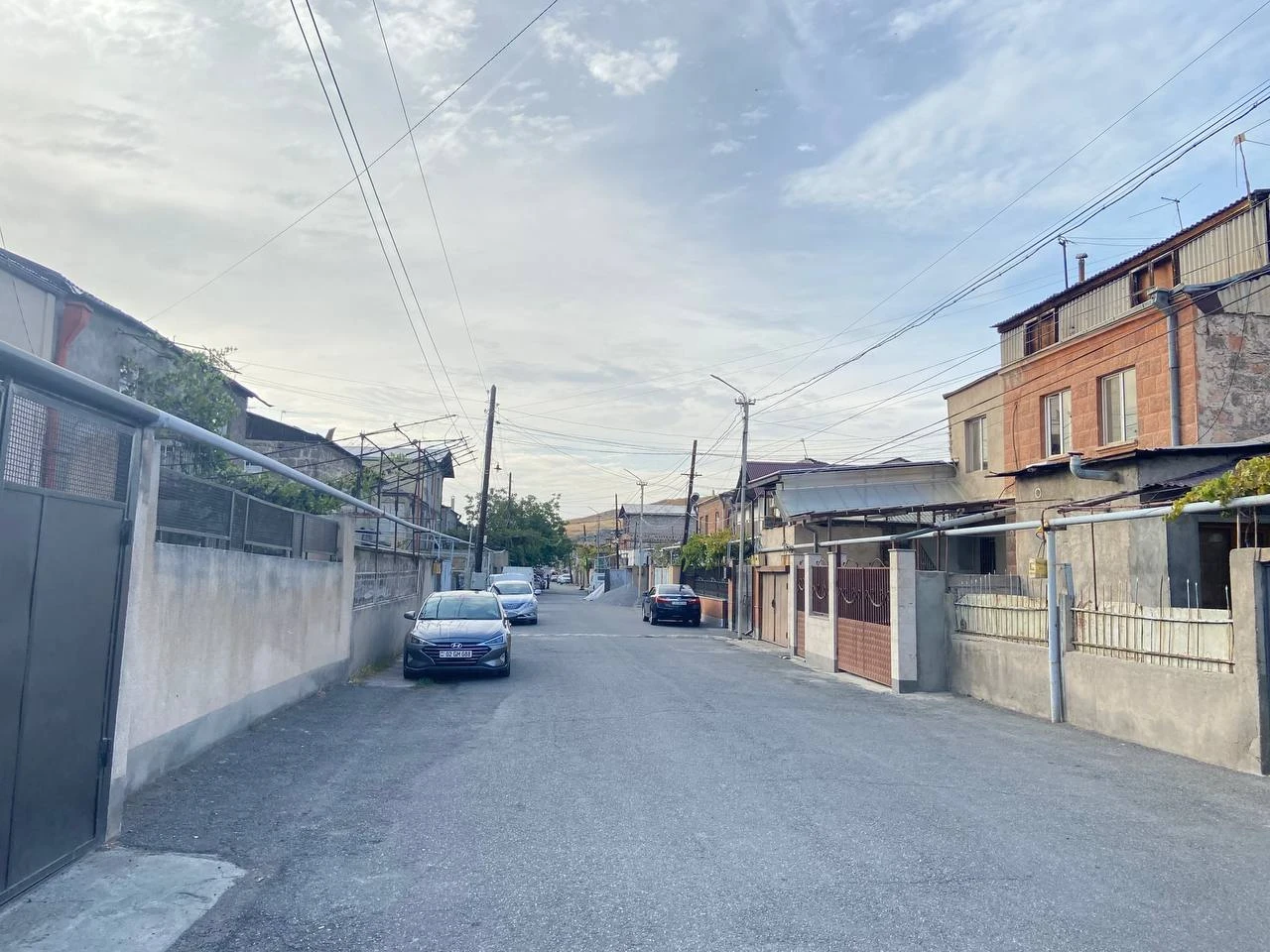
Ivan Michurin, another botanist, was a plant breeder. Varieties of apples, pears and other fruit still bear his name. His standing in Soviet science was unshakable, but his legacy has been reassessed since the Soviet collapse. Much of his work ran against classical genetics, and his ideas later underpinned Lysenkoism. Led by Trofim Lysenko, the movement rejected the idea of genes and DNA and used the Communist Party apparatus against its opponents. In the long run, Michurin's ideas set Soviet genetics far back, after the field was branded a bourgeois science. Still, Michurin Street in Erebuni survived the 1990s, and no one has proposed renaming it so far.
Lost cities and a novel
Until recently, Yerevan's map also preserved the history of other cities. Leningradyan Street was renamed after Armenian-American philanthropist Kirk Kerkorian last year. ([LINK-TBD-CIVILNET: Kerkorian street renaming])
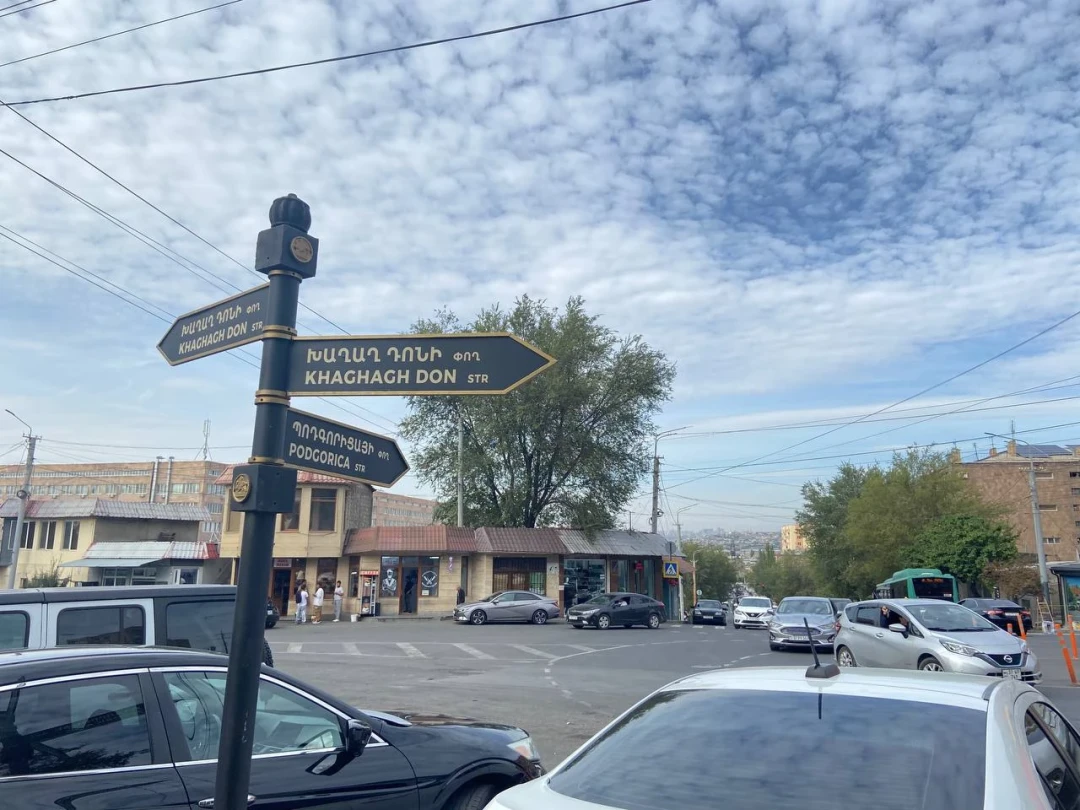
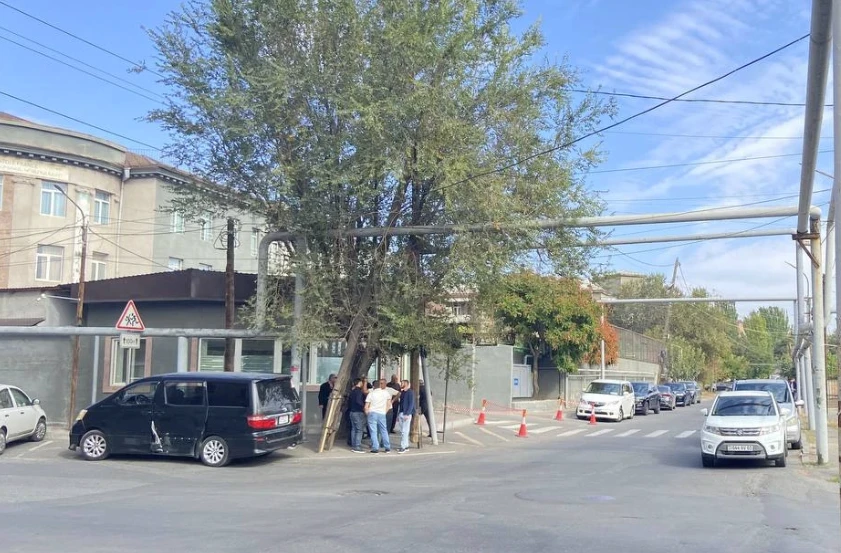
Until April, the city had an even more striking case: Titogradyan Street. Titograd was the name of the Montenegrin capital Podgorica until 1992. For 34 years, the street and the city it was named after did not match. In April, the street followed the Montenegrin capital in dropping the name of socialist Yugoslavia's first leader and became Podgorica Street. Unlike Leningradyan, it kept its link to the city it was named after.
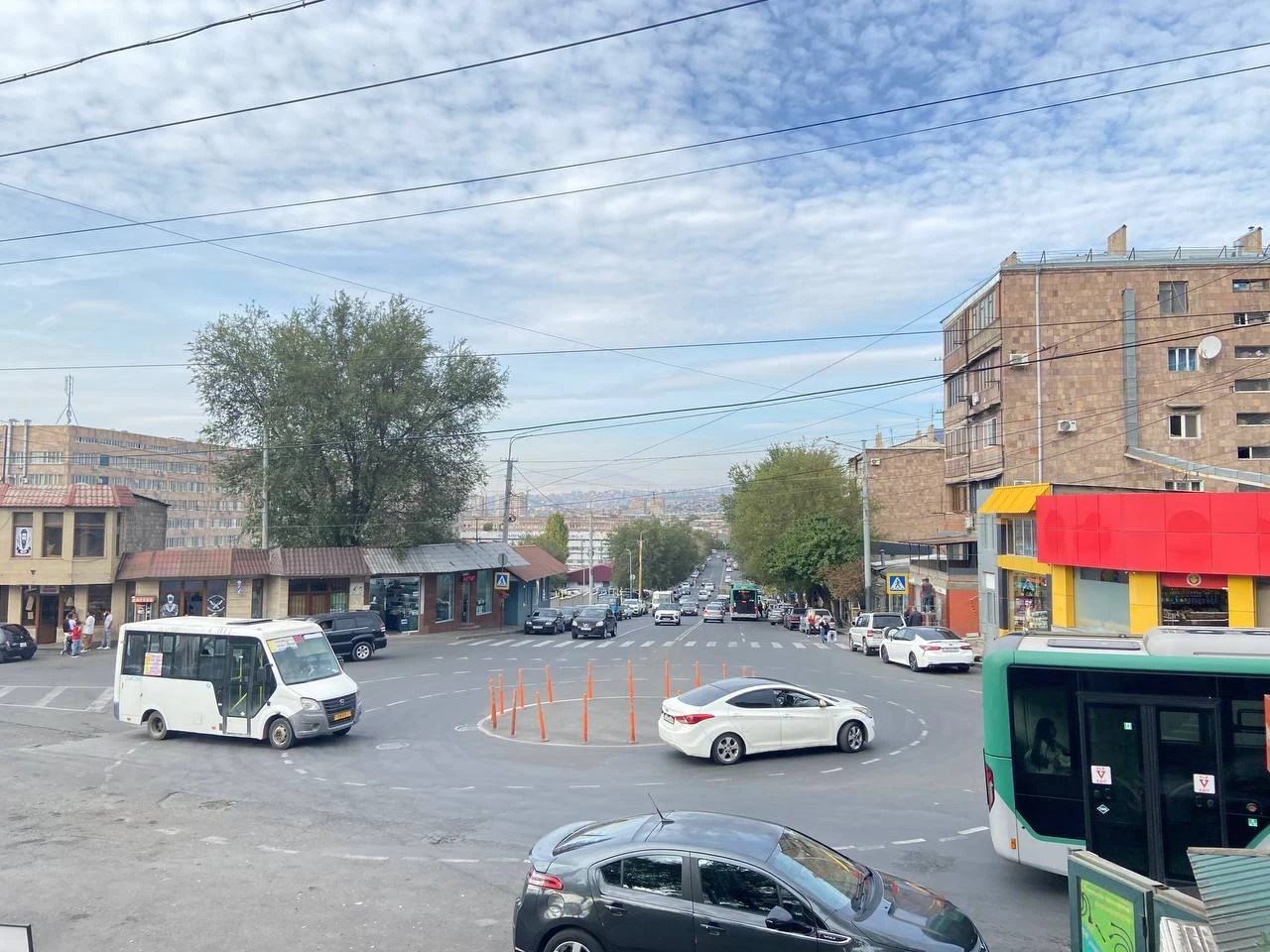
Podgorica Street crosses Khaghagh Don, or Quiet Don, Street. The name refers not to the river but to Soviet writer Mikhail Sholokhov's novel And Quiet Flows the Don. The only other street with that name is in Rostov-on-Don, not even in Sholokhov's home village of Vyoshenskaya. The logic of Yerevan's officials at the time is hard to follow, as neither the novel nor its characters have any link to Armenia. Still, the street places Yerevan among very few cities with a street named after a literary work. There is no street named after Sholokhov himself.
Foreign friends of Armenia
Some Soviet-era names did have Armenian connections. Next to Timiryazev Street runs a street named after Josef Markwart, an early 20th-century German scholar of Armenian history and culture. Markwart repeatedly spoke out in defense of Armenians and condemned the Young Turks. He also opposed his own government for backing the Ottoman Empire.
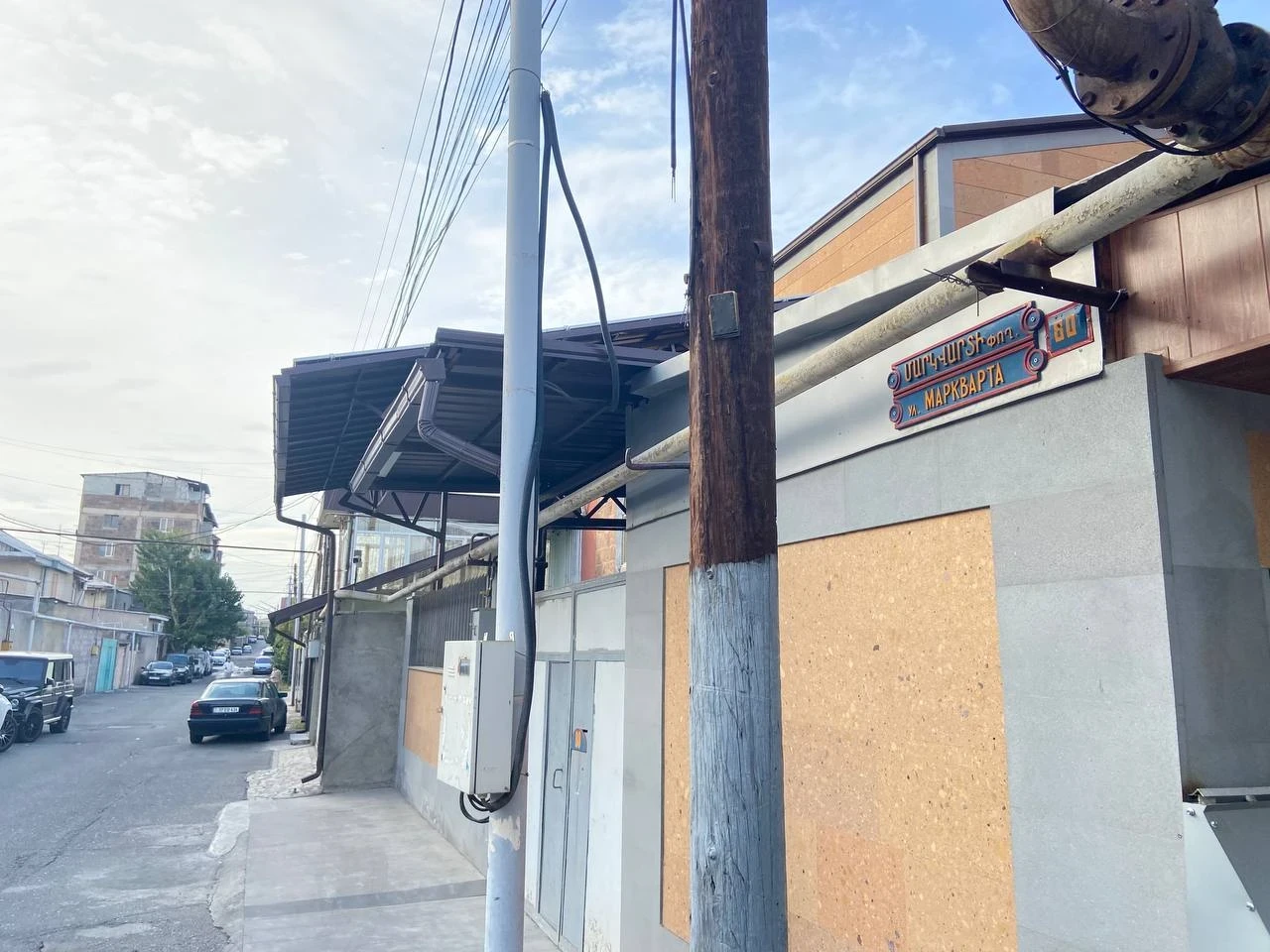
Markwart Street in Verin Charbakh. 📷 Anton Ronis
In Kanaker-Zeytun, near Paruyr Sevak Street, is a street named after Latvian poet Jānis Rainis. A central figure in Latvian literature, Rainis wrote the play Fire and Night, part of Latvia's cultural canon. He also wrote an essay on the Armenian people, their history, culture and struggle for independence, and translated traditional Armenian poetry.
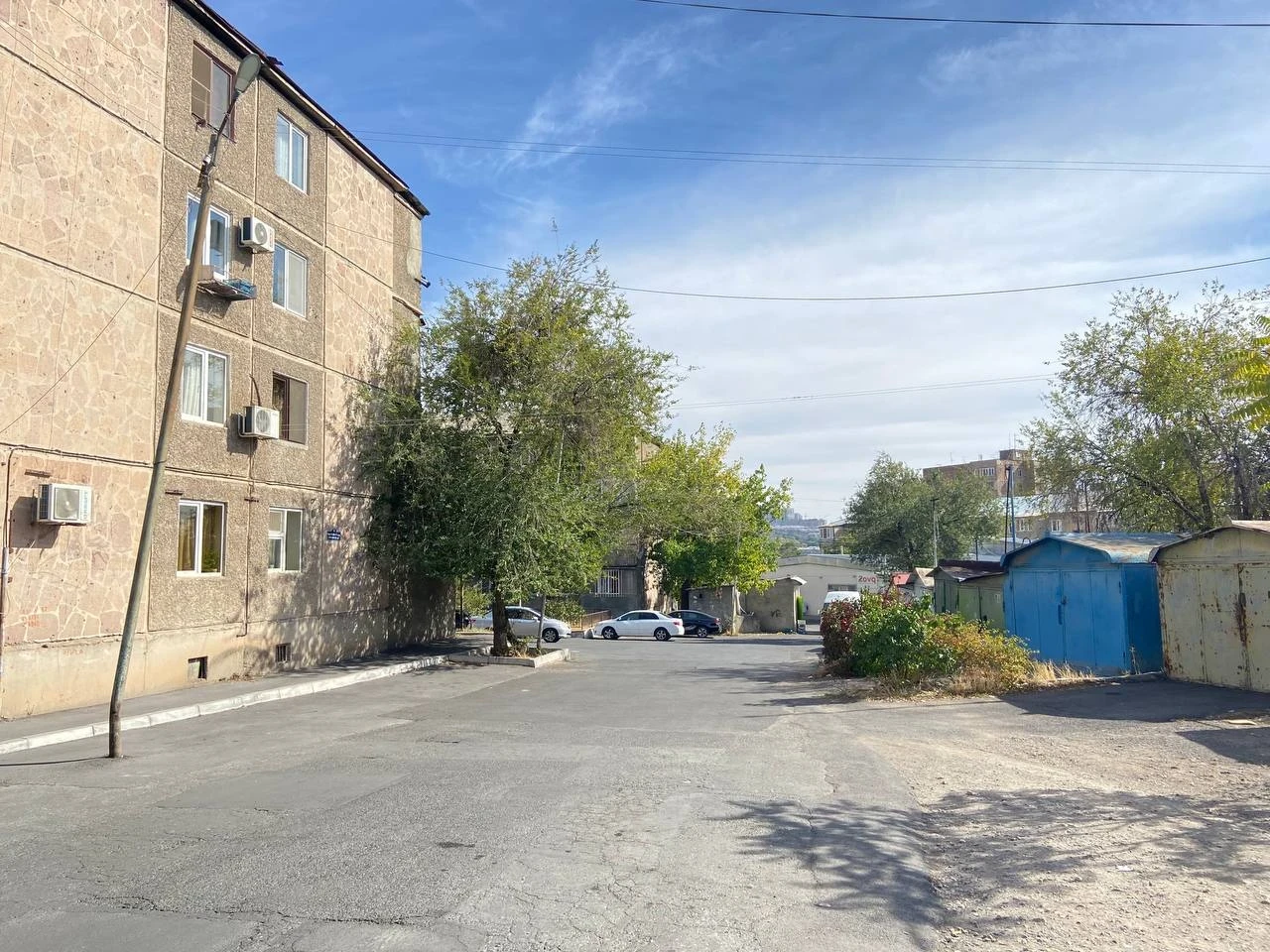
Ukrainian poet Pavlo Tychyna, whose street is in Malatia-Sebastia, founded symbolism in Ukrainian poetry. He taught himself Armenian and translated Hovhannes Tumanyan, Yeghishe Charents and other Armenian poets into Ukrainian. As director of the Institute of Literature of the Academy of Sciences of the Ukrainian SSR, he also gave a report on the Armenian epic David of Sassoun and its popularity in Soviet Ukraine.
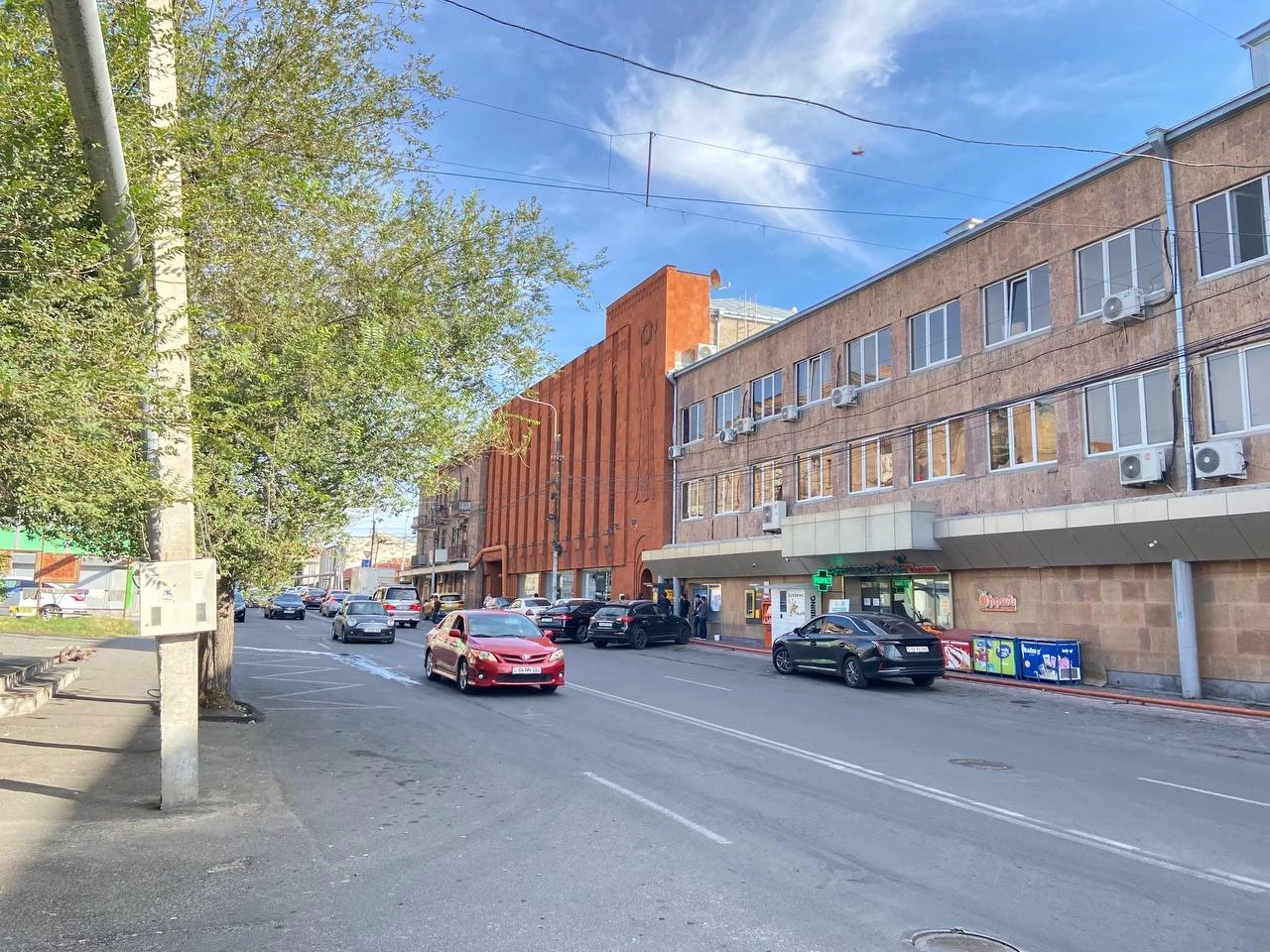
Names chosen after independence can also be hard to explain. In Kanaker-Zeytun, a street once named after Russian writer Alexander Radishchev now honors 19th-century Romanian poet Mihai Eminescu. According to some theories, Eminescu's grandfather came from the Armenian community of Lviv, which most likely explains the choice. Eminescu is a central figure in both Romanian and Moldovan culture, but his work does not touch on Armenia, and his ties to the country are hard to trace beyond that theory.
Eminescu Street is more the exception than the rule. On questions of memory, Yerevan's city hall has been more selective than its Soviet predecessors. Arabkir, for example, has a street named after James Bryce, the British historian and statesman. Bryce founded the Anglo-Armenian Association and visited Armenia several times. During World War One, he and British historian Arnold Toynbee published the Blue Book documenting Young Turk crimes against Armenians. Toynbee's 1915 pamphlet Armenian Atrocities: The Murder of a Nation, which included a speech by Bryce in the House of Lords, used a phrase that foreshadowed the term genocide, later coined by Raphael Lemkin. Bryce also criticized the Kemalists for persecuting Cilician Armenians.
To rename or not
The pattern is clear. Names of revolutionaries and party figures with no ties to Armenia are disappearing from Yerevan's map, as are old city names such as Leningrad and Titograd. Proposals to add new names and remove old ones keep coming.
The Oct. 14 vote backed a proposal by members of the Civil Contract faction to rename Frunze Street after the Yervanduni dynasty. Another council member, Hayk Grigoryan of the National Progress faction, had proposed giving the Yervanduni name to Tychyna Street instead. Tychyna's name, his proposal said, "has no connection to Armenian culture, history or any public sphere."
It is unclear whether Grigoryan knew of Tychyna's translations when he wrote that. His proposal was not adopted, but the question of whether Tychyna's name will stay on Yerevan's map remains open.
The case shows why renaming calls for care. Some figures commemorated in Soviet times had direct ties to Armenia's history and culture. City hall may well clear the map of names with no link to the country. But some of the least familiar names on Yerevan's street signs belong to people worth rediscovering.



 Stories