By Siranush Adamyan
Armenia is considering letting a state body decide whether citizenship applicants are ethnic Armenians. The change would end the reliance on church baptism certificates, according to the country's top diaspora official.
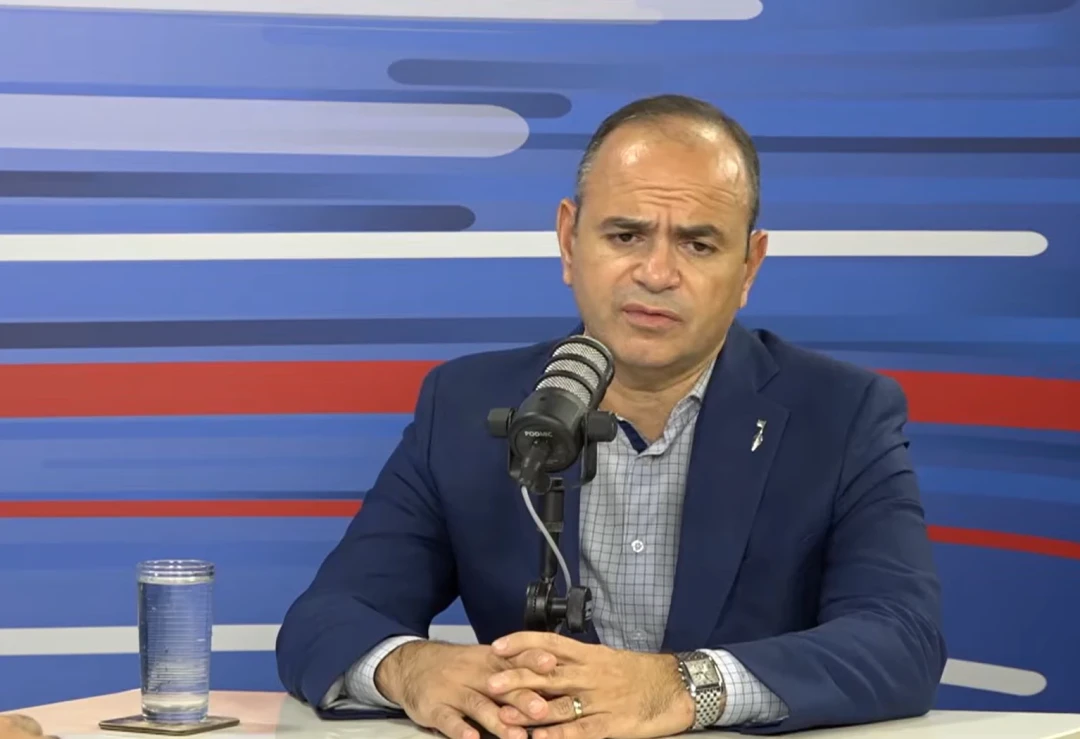
Zareh Sinanyan, the high commissioner for diaspora affairs, said the authorities are discussing the change as part of a broader overhaul of citizenship rules. He spoke in an interview with Public Radio of Armenia, published on the broadcaster's website on October 21.
"We are discussing ways so that, to get this qualification as an ethnic Armenian, we are not forced to make people go and obtain some sort of church baptism certificates," Sinanyan said. Instead, he said, the state could create a commission to decide whether a person is Armenian.
Sinanyan said the current system creates serious problems for some applicants. Some people, he said, were baptized 60 years ago in churches that no longer exist. Others were never baptized because they are agnostic or atheist. Some have birth certificates in Arabic, French or English, and the spelling of their names does not match their passports. In such cases, he said, the process would get stuck.
"A person comes, it is clear that he is Armenian, but he says, 'Give me citizenship,' and they tell him, 'Go bring, I don't know, a certificate from the church where you were baptized,'" he said.
Until now, ethnic Armenians could obtain citizenship through a simplified procedure. Under that procedure, they did not need to live in Armenia, speak Armenian or know the Constitution. Applicants could also file at Armenian embassies and consulates abroad.
That is set to change. In September, the Interior Ministry published draft amendments that would require ethnic Armenians to hold legal residency in Armenia for two years and spend at least 366 days in the country before applying. Non-Armenians would need five years of legal residence. Under the draft, a special commission within the Interior Ministry would verify applicants' ethnic background.
Interior Minister Arpine Sargsyan told CivilNet in September that the residency requirement is meant to show that applicants are linking their future to Armenia, not simply seeking a travel document.
Sinanyan said the main change is the two-year residency requirement. Ethnic Armenians would still keep a privileged position compared with other applicants, he said.
He linked the tightening to the June 2026 parliamentary elections. He said many people who do not live in Armenia and are not ready to share its fate sought to use their citizenship to influence politics. For years, he said, citizenship had been granted to many people who never lived in Armenia. He said the government wants citizenship to be "anchored in value."
He rejected claims that the changes are meant to cut the diaspora off from Armenia. He said Armenia has had a positive net inflow of ethnic Armenians for two years, which shows Armenian citizenship is in demand.
Between January 2021 and August 2026, more than 110,000 people obtained Armenian citizenship, according to the Interior Ministry.
Homeland versus state
Sinanyan framed the reform around a distinction between Armenia as a historic homeland and the Republic of Armenia as a state.
"Armenia is the homeland of all Armenians, but the Republic of Armenia belongs to its citizens," he said.
Armenia can be a romantic idea tied to history and memory, he said. The republic, by contrast, is a concrete political entity where emotional ties or historical memory carry little weight.
Only Armenia's citizens should influence its domestic politics, Sinanyan said, because they bear the consequences of political decisions. He said a group that has no obligations or responsibilities toward the state cannot have rights that shape the future of the people who live there.
Diaspora Armenians who want a closer bond with the republic should move there, he said. They should become citizens, pay taxes, spend most of their money in Armenia, tie their children's future to the country and be ready to defend its borders.
Sinanyan acknowledged that this sounds difficult, given Armenians' long and painful history, but said it is necessary. He said Prime Minister Nikol Pashinyan is trying to bring the historic idea of Armenia closer to the reality of the state.


 Stories