By Michael Stelzl
Newly built roads cut through the ancient forest; some five to six meters wide. The Shikahogh Reserve in Armenia’s south-east had been an untouched jewel of nature for hundreds of thousands of years. Leopards live there, bears, and vipers and more than a thousand different plant species grow in Armenia’s second largest forest reserve. They all were unharmed by human interference, until the Azerbaijani military came.
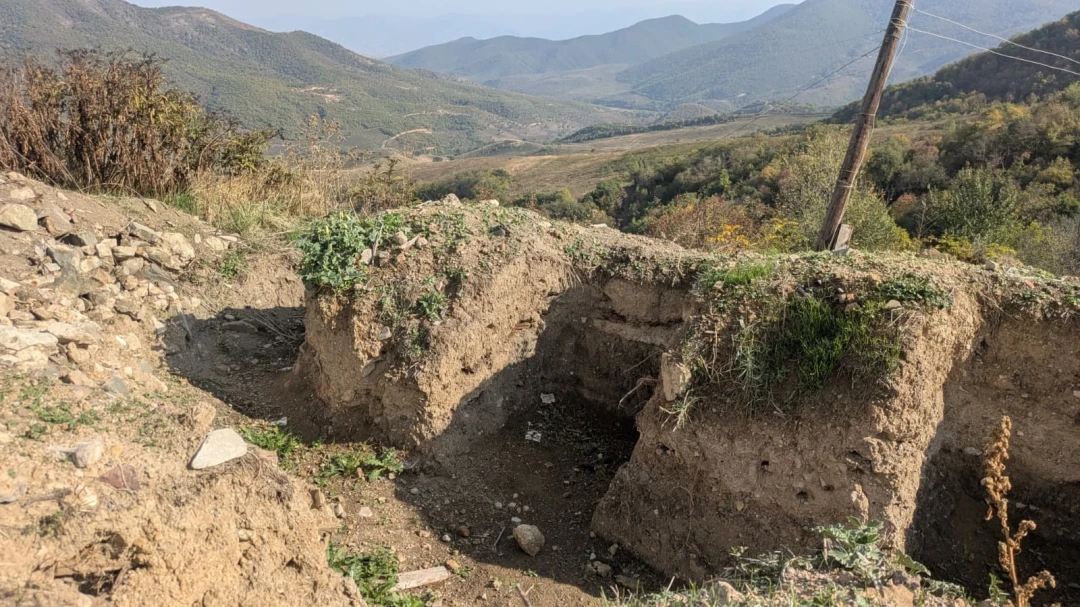
Azerbaijani forces first crossed the border into the Shikahogh national park in 2021. In September 2022 they launched a larger attack on Armenian villages nearby. Since then, the Azerbaijani military has occupied large portions of the region. In the midst of the ancient forest, they are building military fortifications and outposts. Every day, the Azerbaijani presence in the region grows stronger.
Harut Aghatelyan is 35 years old. He lives in Nerkin Hand, a small village in a valley adjacent to the reserve. The threat is omnipresent. At any given time, the inhabitants of Nerkin Hand can be shot at by Azerbaijani military from three directions: north, south, and west. The local kindergarten is closed, the school may close soon as well, as it currently has one student. Agriculture is virtually impossible, most people are unemployed, many leave. Only a few residents, including Aghatelyan, work as forest rangers in the reserve.
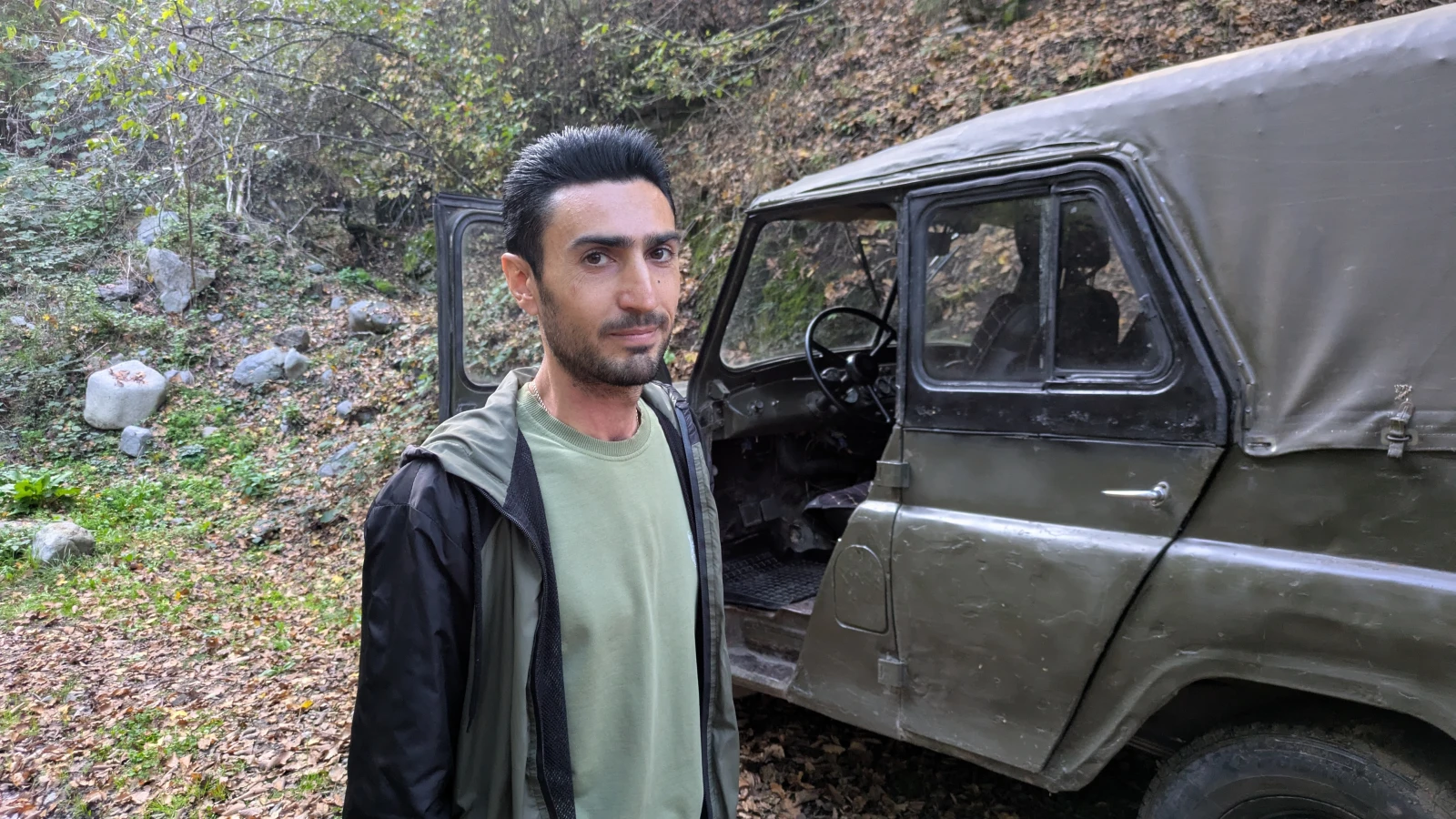
But since the beginning of the occupation of parts of the national park, he cannot move freely through the forest; instead, he must wait for military orders telling him where it is safe to go. In addition to the Azerbaijani military forces surrounding the forest, its soil is littered with landmines. “Every night, you can hear explosions because wildlife steps on the mines”, Aghatelyan says. “I recently saw a bear that had lost a leg.” The people in the villages have stopped raising cows, they too stepped on landmines when they went to their usual grazing grounds.
The Azerbaijani side controls roughly 2,000 hectares of land in the national park and about 500 hectares that belong to the villages and local communities such as Nerkin Hand, Marat Harutyunyan explains. He is the deputy mayor of Kapan, the provincial capital of Syunik. “But it doesn’t end there”, Harutyunyan says. The people living in the area have lost more than 90 per cent of their fields where they used to grow wheat and corn. “Your land essentially ends if you are within shooting range of the enemy on an open field.”
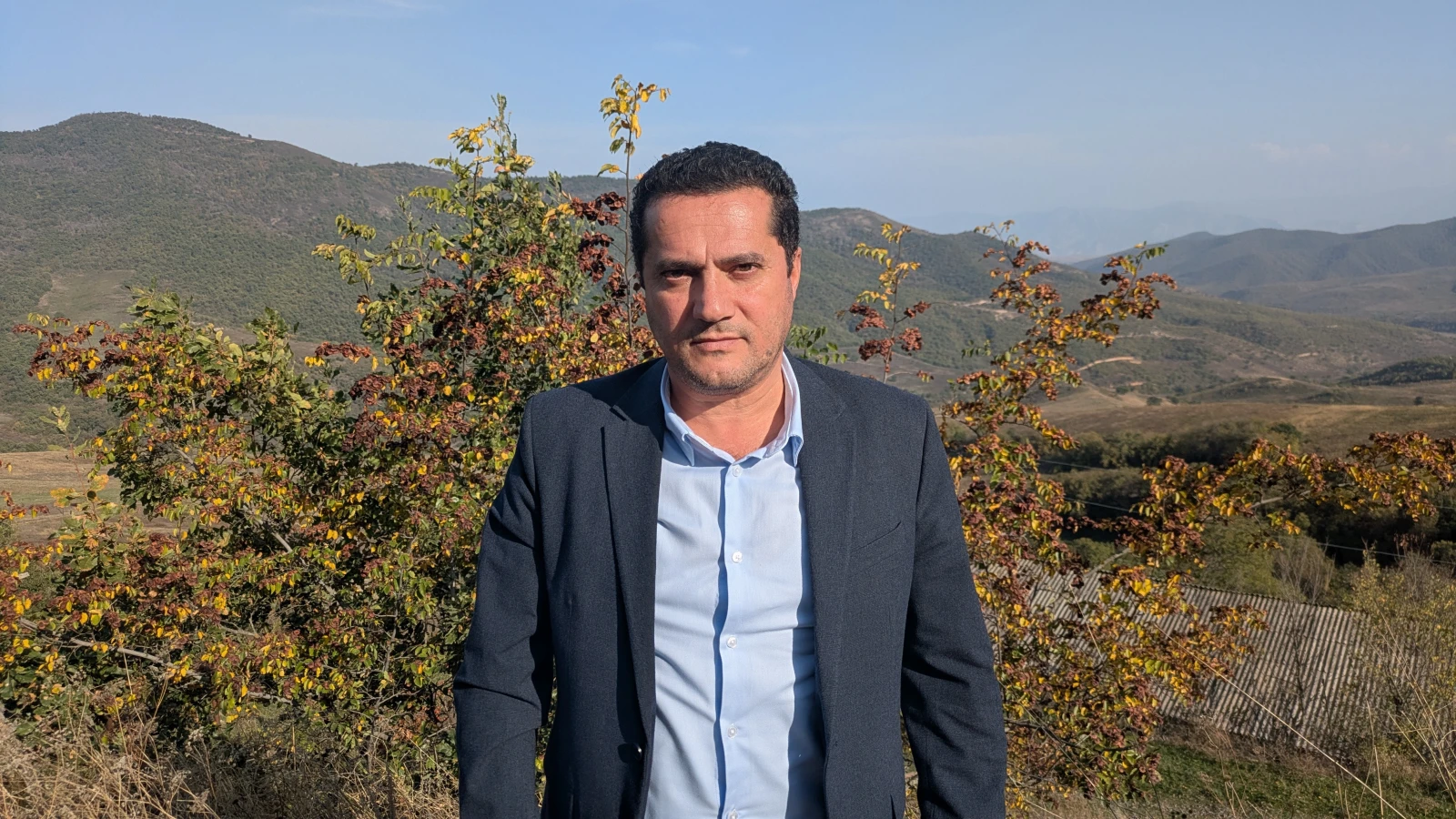
Though there were no shots fired since Armenia and Azerbaijan signed an U.S.-mediated peace declaration in August 2025, there have been incidents in the years before since Azerbaijani forces took control over parts of the region in 2022. “It’s quiet now, but we expect war every day”, Harutyunyan says with Azerbaijani military posts in plain sight.
Even though the Armenian military is building fortifications in the area as well, they are still at a disadvantage. The Azerbaijani forces control most of the hills in the area. “It is easier to shoot down than up”, political analyst Eric Hacopian explains. To offset this disadvantage, the Armenian government has repeatedly bought Pinaka rocket launchers from India. The system was devised to attack Pakistani positions on mountain peaks. Both sides continue their arms race in the region, despite the peace declaration.
An actual peace treaty however remains unsigned, though President Pashinyan announced on Thursday that a snap parliamentary election may be called to initiate a constitutional referendum in that matter. “The Azerbaijani military has no interest in leaving this and other occupied territories", Hacopian says. “There is the peace narrative of the current Armenian government, and then there is the reality on the ground which clearly contradicts that narrative."
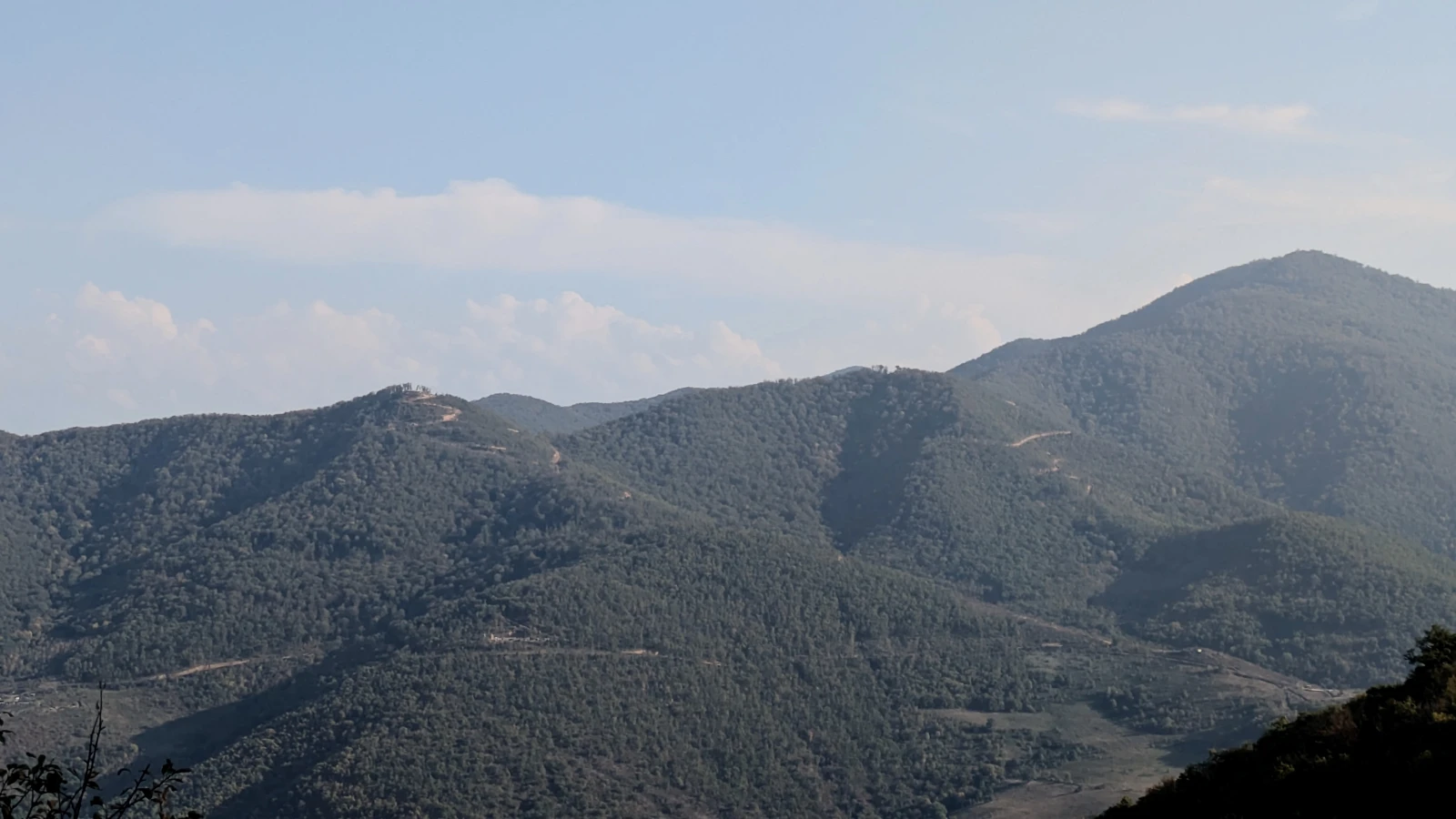
In Nerkin Hand, the current de facto peace seems far away. Only this summer, the Azerbaijani forces reportedly cleared more than 60 hectares of forest in the Shikahogh National Park to strengthen their military positions. Kapan’s deputy mayor Harutyunyan warns that the Azerbaijani forces could cut off the entire region by taking control over the only street leading into the area.
Forest ranger Aghatelyan has job offers from Yerevan and abroad. But he refuses to leave his home. Despite the circumstances, he plans to stay in Nerkin Hand for as long as he can. “I’m trying to keep the village alive”, he says.




 Stories