By Stella Mehrabekyan, reporting from Abu Dhabi, United Arab Emirates
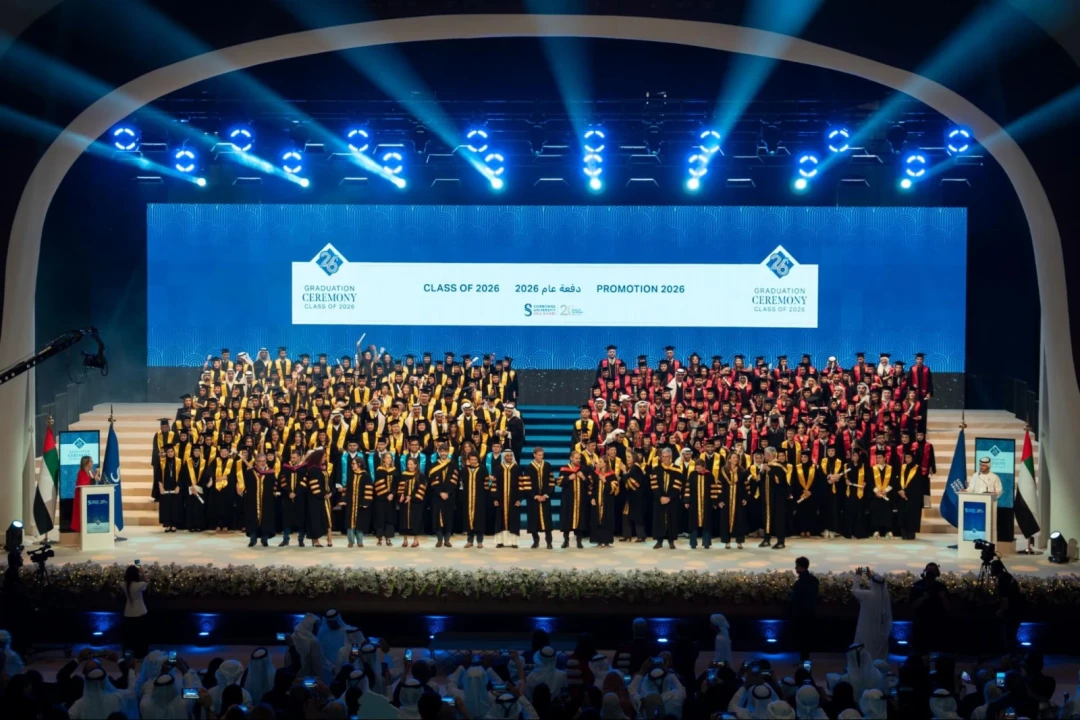
Sorbonne University Abu Dhabi marked its 20th anniversary in November with a Gala attended by representatives of the French and Emirati academic communities, university leadership and international guests. As part of the celebrations, the university also held its annual graduation ceremony.
Established in 2006 under the patronage of Sheikh Mohamed bin Zayed Al Nahyan, the university was founded through an agreement between Sorbonne Université in Paris and the government of Abu Dhabi. It became the emirate's first international university.
The university started with 100 students. Today, it has 2,090 students representing 81 nationalities and around 3,800 alumni worldwide. Armenia accounts for the largest number of international students.
Sheikha Rad Fahem Al Qasimi, Head of Francophone Relations at the Sharjah Department of Government Relations and Secretary-General of the Board of Directors of Alliance Française of Sharjah, stressed the importance of having a university of this caliber in the UAE, giving students access to French higher education without having to study abroad.
Growing interest among students from Armenia
According to the university's data for the 2026–2027 academic year, 124 Armenian students are enrolled at Sorbonne University Abu Dhabi, followed by 72 French, 40 Jordanian, 38 Egyptian and 37 Chinese students.
Lilya Hovhannisyan, the university's official representative in Armenia, told CivilNet that interest among Armenian applicants has grown considerably in recent years.
The community of students coming from Armenia also includes those holding citizenship of other countries. According to Lilya, approximately 25–30 percent of this community are female students.
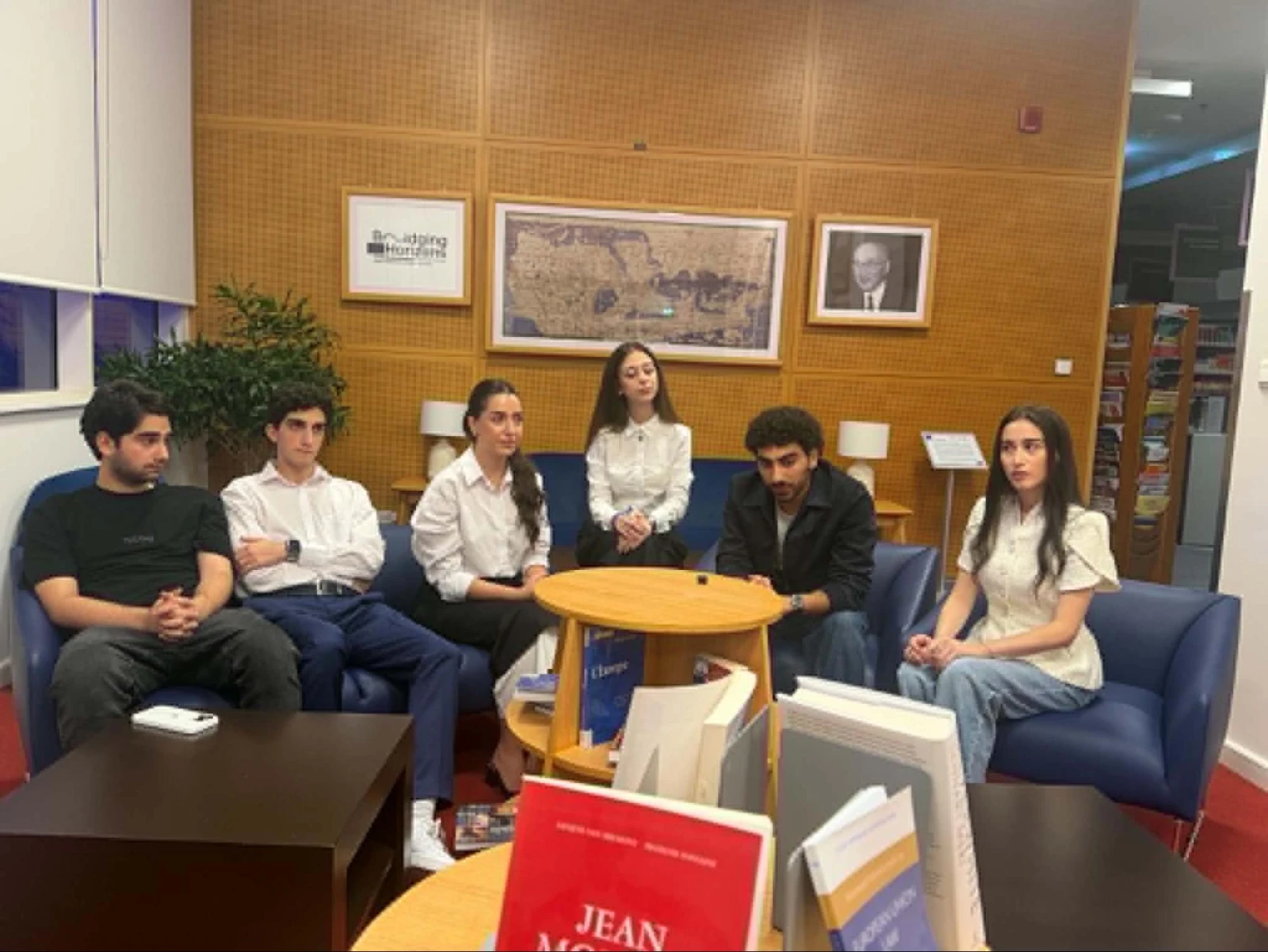
Mathematics, with a concentration in Data Science for Artificial Intelligence, and Economics and Management are the two most popular undergraduate programs among Armenian applicants.
The university has recently revised its merit-based scholarship system. Previously, newly admitted undergraduate students started with a 15 percent tuition scholarship, but high-achieving school graduates can now qualify for scholarships covering 50 or 75 percent of tuition fees upon admission.
Scholarships are awarded based on academic performance, with particular consideration given to graduates of specialized schools, including Yerevan's Physmath School, and Olympiad winners.
According to Lilya Hovhannisyan, 35 percent of students admitted from Armenia for the 2026–2027 academic year received scholarships.
The university recognizes Armenian secondary school graduation certificates. However, applicants to Mathematics and Physics programs are also required to pass a mathematics entrance examination.
Sorbonne Université, which awards the degrees for these programs, ranks sixth globally in mathematics, according to the 2026 Shanghai Ranking.
Most students from Armenia are currently enrolled in undergraduate programs. With targeted recruitment in Armenia expanding relatively recently, the first two Master's students from this initiative are graduating this November.
Research as a priority
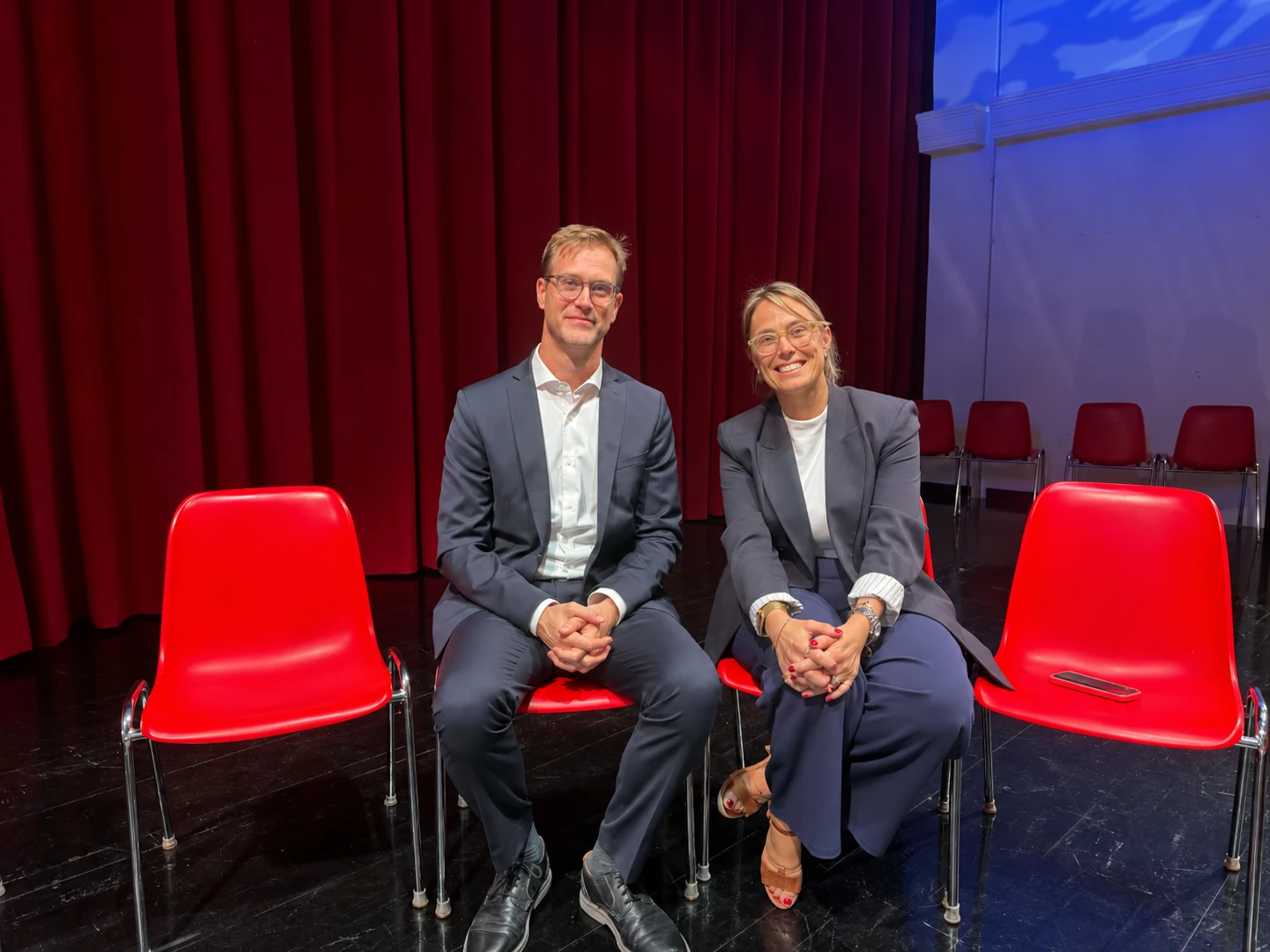
Speaking to CivilNet in Abu Dhabi, Professor Nathalie Martial-Braz, Chancellor of Sorbonne University Abu Dhabi, said that strengthening research capabilities has been one of her main priorities.
The university's strategic plan for 2024–2028 is based on five pillars: research, education, visibility, excellence and sustainability.
“When I arrived, we already had excellent researchers and professors conducting research here, but it was not sufficiently structured. We did not have a proper research ecosystem, which made it difficult to attract high-level international researchers,” Martial-Braz said.
The Sorbonne Center for Artificial Intelligence was established in 2020, followed by the Ocean Institute, launched during the COP28 climate conference at Expo City Dubai in 2023.
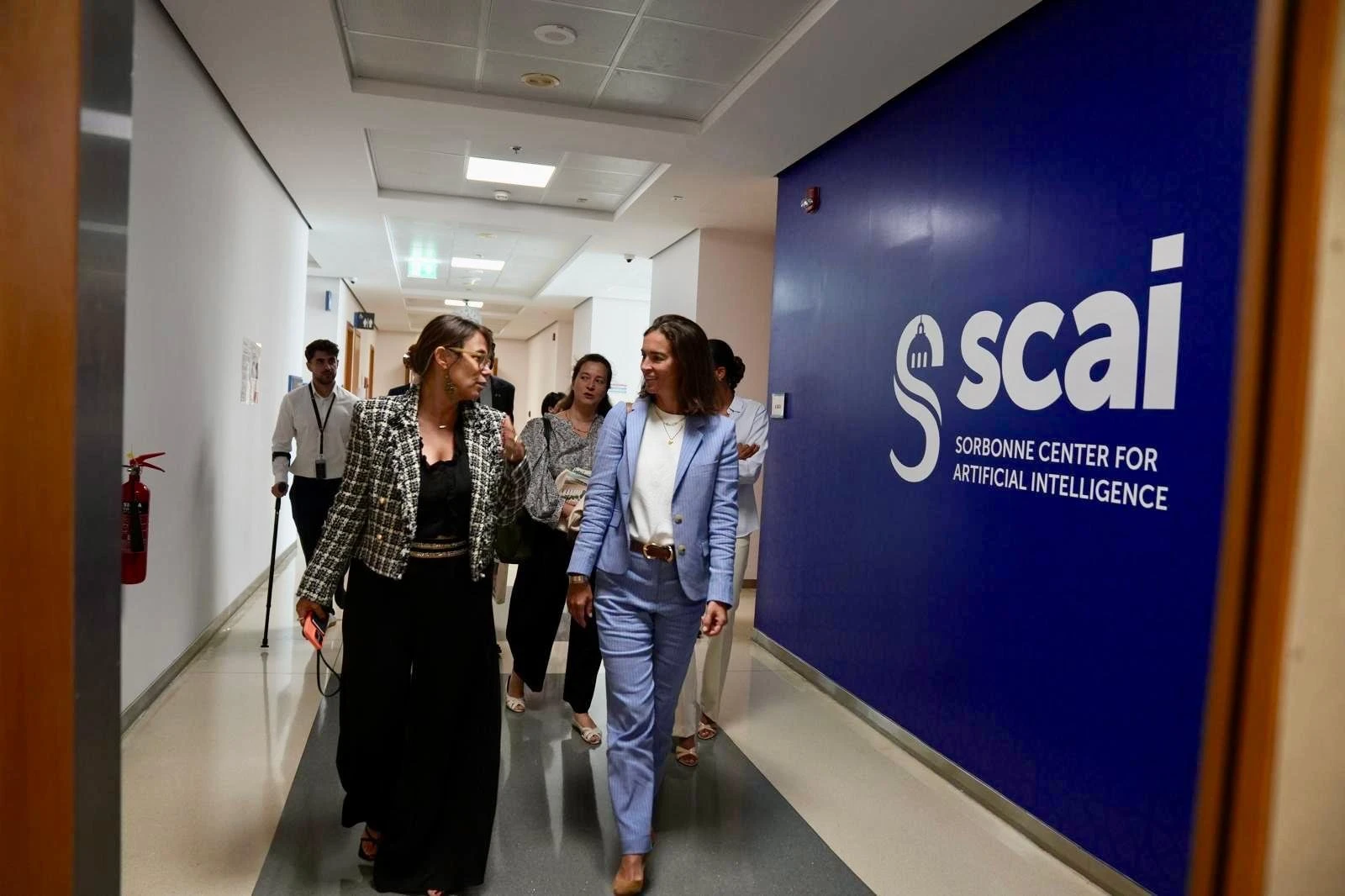
In 2024, the university established the Sorbonne Abu Dhabi Institute for Innovation and Research (SAFIR), which now brings together seven research centers.
According to Martial-Braz, the university has sought to identify areas where its French partner institutions' research expertise aligns with the UAE's strategic priorities.
“We are still a relatively small university, so we cannot develop every possible field of research. We have to identify specific areas where we can excel rather than simply expanding the spectrum of our research activities,” she said.
The Chancellor noted that the UAE's growing investment in science has made it easier to attract international researchers. She also stressed the importance of developing research cooperation between Abu Dhabi and Paris, rather than simply bringing French academic expertise to the UAE.
While expanding research in artificial intelligence, marine sciences and space, the university intends to retain its traditional strengths in the humanities and cultural heritage.
Maintaining French academic standards
Martial-Braz acknowledged that establishing the university in Abu Dhabi prompted criticism in France, with some questioning whether an institution operating outside the country could maintain the same academic standards.
“We are not compromising academic excellence or lowering the standards of our degrees. Of course, we have to adapt. Our students are different, and French is not necessarily their native language,” she said.
The university offers undergraduate programs in both French and English, while all Master's programs are taught in English. Degrees are awarded by Sorbonne Université and Université Paris Cité.
In recent years, the university has also reviewed its curricula to better reflect the needs of the labor market.
Its graduate outcome rate has increased from 62.4 percent in 2023 to 85.5 percent in 2026. The figure includes graduates who are employed, self-employed or pursuing further studies.
Martial-Braz stressed that adapting education to students' needs should not come at the expense of academic discipline.
Professors are there to help students, she said, but students must understand that reaching a certain academic level requires work and that there are no shortcuts.
The university has introduced an early alert system to identify students experiencing academic difficulties, offering additional courses, mentoring and wellbeing support.
How AI is changing higher education
Sorbonne University Abu Dhabi has designated 2026 as its Year of Artificial Intelligence, under the theme “Choose AI, Choose Critical Thinking.”
Martial-Braz believes the emergence of AI requires a fundamental change in how universities teach.
“For me, AI represents a genuine revolution in our lives. We cannot pretend that it does not exist,” she said.
According to the Chancellor, one of the biggest challenges is preparing professors themselves for this transformation. Many belong to a generation that did not grow up with AI, and some fear that the technology could eventually replace them.
Over the past two years, the university has been training its academic staff and exploring ways to integrate AI into teaching. Among its initiatives is a chatbot developed to help students learn French.
Martial-Braz warned, however, that students who use AI to avoid doing their own academic work are ultimately undermining their professional prospects.
“Artificial intelligence itself is not necessarily what we need to fight against. We need to fight against our own intellectual laziness,” she said.
A lawyer by profession, Martial-Braz used her own field as an example, arguing that lawyers who can offer nothing beyond what AI can provide risk being replaced by technology.
AI can help people perform time-consuming tasks, she said, but the objective should be to use the time gained to produce work of greater intellectual value.
This, in her view, also changes the role of university professors.
“We are no longer simply people who transmit knowledge, because students can access knowledge themselves. Our role is increasingly to train them to think.”
Opening the university to the wider community
Another challenge Martial-Braz identified was the university's limited visibility in the UAE.
“When I took up my position, I repeatedly heard people saying: Sorbonne is very good, but nobody knows what you are doing,” she recalled.
Unlike American universities, French public universities have traditionally placed less emphasis on promoting themselves, she explained.
Referring to New York University Abu Dhabi, Martial-Braz said that rather than competing with other international universities in the UAE, Sorbonne should seek opportunities for cooperation, particularly in research.
Over the past three years, the university has also opened its campus more widely to the public, organizing cultural events, exhibitions, theatre performances and community activities. Its campus on Al Reem Island houses the largest Francophone library in the Gulf.
Sustainability is another area in which the university is seeking to combine education, research and community engagement.
Martial-Braz believes environmental issues should be addressed across all academic disciplines, not just in programs related to environmental sciences.
The university, she said, is educating a generation whose lives will increasingly be affected by environmental challenges, from population movements to international relations.





 Stories