Gevorg Tosunyan, New Delhi
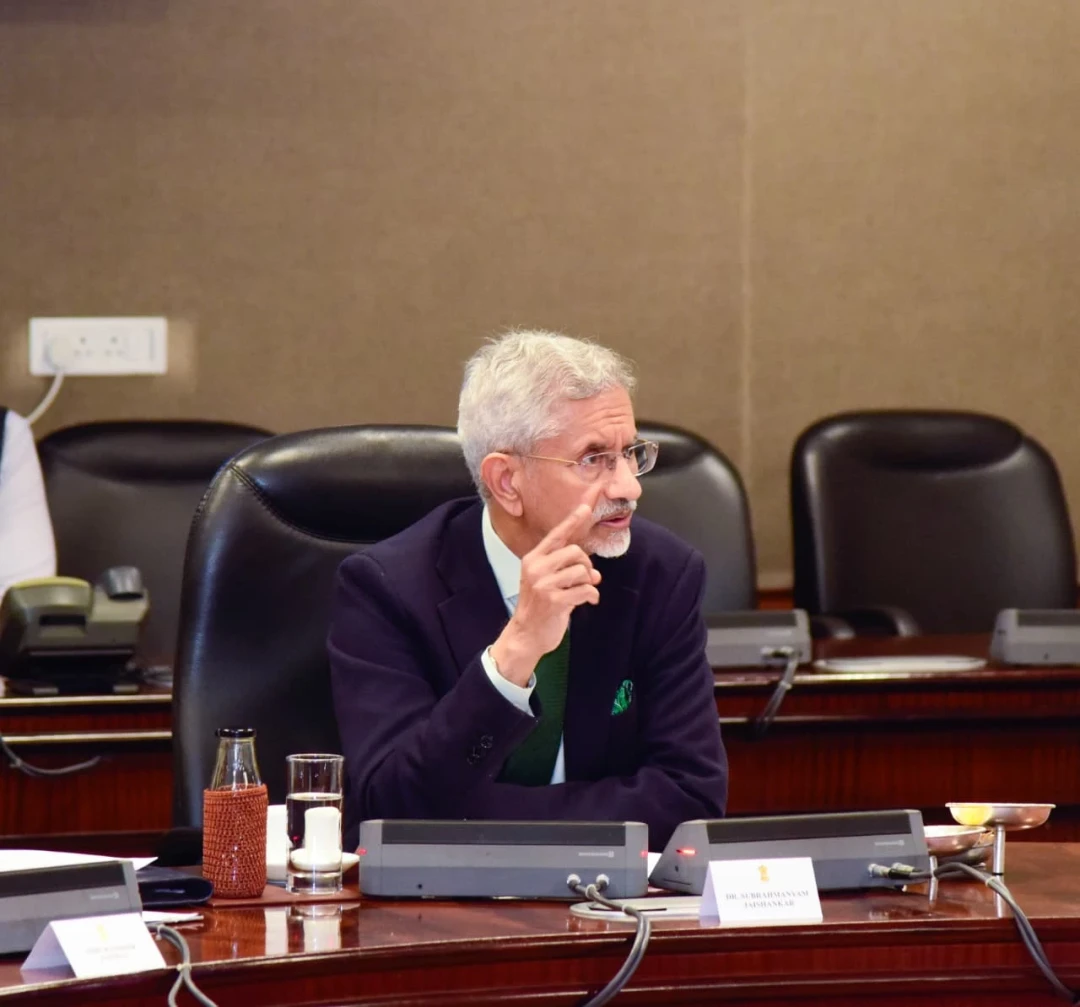
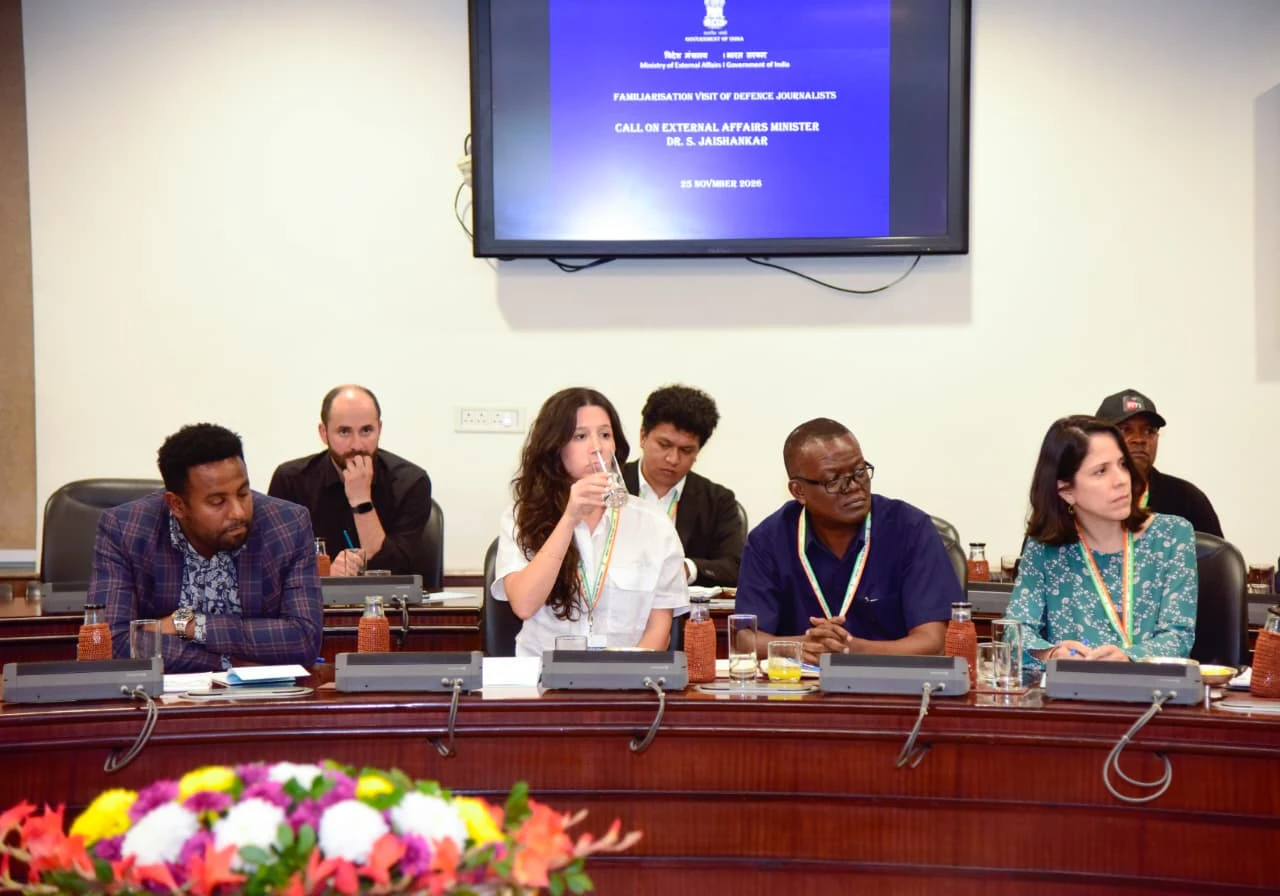
India’s External Affairs Minister Subrahmanyam Jaishankar addressed bilateral relations with Armenia, defence cooperation, international security and regional conflicts during a meeting with international journalists in New Delhi on November 25.
Responding to a question from a CivilNet journalist, Jaishankar said that India has strong defence relations with Armenia. He also referred to his recent meeting with Armenian Prime Minister Nikol Pashinyan.
“We have a strong defence relationship. Our overall political relationship is very good. We are also supportive of efforts by your government, along with other partners, to establish regional peace. We know it has been a challenging process, but we are hopeful that the future will be more peaceful and stable. Obviously, our partnership will continue to play a role in that direction,” India’s foreign minister said.
According to Jaishankar, he had the opportunity to welcome the Armenian prime minister a few days earlier, when Pashinyan was in India in transit.
Military and defence-technical cooperation between Armenia and India has expanded significantly in recent years. India has become one of Armenia’s major defence equipment suppliers. The expansion of cooperation has been particularly evident since the 2020 Armenia-Azerbaijan war, as Armenia began actively diversifying its sources of military procurement.
Among the military systems Armenia has acquired or ordered from India are Swathi weapon-locating radars, Pinaka multi-barrel rocket launchers, ATAGS towed artillery systems, MArG 155 self-propelled artillery systems, as well as air defence and counter-drone systems.
In May 2024, the defence ministries of the two countries held their first official consultations in Yerevan and signed a cooperation programme for 2024–2025. The programme covers military education, personnel training, defence-technical cooperation and the exchange of experience.
The Nagorno-Karabakh War and the Changing Nature of Military Technology
Speaking about international security trends, Jaishankar paid particular attention to the development of military technologies and the changing nature of modern warfare.
In his assessment, fundamental changes in the conduct of military operations became particularly evident during the Nagorno-Karabakh conflict between Armenia and Azerbaijan.
According to the minister, the conflict demonstrated how methods of warfare were changing. Since then, new technologies and tactical approaches have further evolved, expanded in scale and become more widespread, influencing other conflicts around the world.
Photo credit: Ministry of External Affairs, India.


 Stories