 Karen Harutyunyan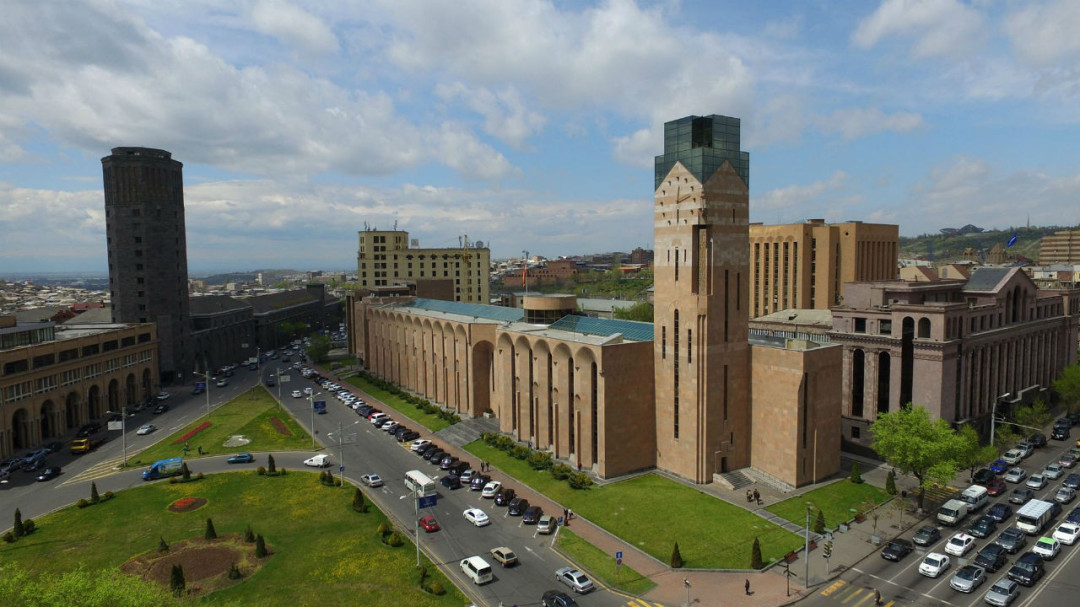
By Karen Harutyunyan, Editor-in-chief
Yerevan residents will elect a mayor on September 17. This will be the most important vote in Armenia until the 2026 parliamentary election. About 40 percent of Armenia’s population resides in the captial, which accounts for more than half of the country's GDP. The outcome of this municipal election will largely predetermine the future trajectory of political events in Armenia.
Most importantly, the Yerevan election will be an important test of confidence for Prime Minister Nikol Pashinyan, who claims to have the people’s full mandate to solve the Artsakh problem at any cost. This will also be a test for Armenia's fledgling democracy.
In the 2021 parliamentary election, Pashinyan’s Civil Contract party was re-elected with the election promise and slogan to achieve Artsakh’s "remedial secession" from Azerbaijan.
Also Read: Pashinyan does not have a mandate to hand over Artsakh to Azerbaijan.
While Artsakh is the most important issue, Armenia’s long-term democratic trajectory should also not be ignored.
In the municipal elections held in a number of communities over the past two years, the Civil Contract party could not overcome the threshold to form community administrations. But it did not prevent the ruling political force from employing administrative levers to form new local administrations or hinder the work of others where opposition candidates have been elected. Community administrations in Armenia are formed by the proportional electoral system: the council of elders is elected by a popular vote, which then elects a mayor.
CivilNet’s investigative reporter Mkrtich Karapetyan presented the detailed picture of various elections where the opposition forces couldn’t form local administrations or underwent pressures from provincial and other authorities.
In Talin, for example, the winning opposition was obstructed from electing a mayor and new elections were held to bring Civil Contract’s candidate to the mayoral chair.
Similar scenario was played out in Vedi, where the Civil Contact candidate became a mayor in a newly held election.
In Berd, the opposition mayoral candidate and acting mayor was arrested on the eve of elections for charges of abuse of power, yet his bloc won the election.
In Akhuryan the elected mayor and opposition ARF member had to resign to be replaced by a Civil Contract party member.
In Vanadzor, Armenia’s third largest city, the acting mayor and the main opposition candidate Mamikon Aslanyan was arrested and convicted ten days after his bloc won the election.
In Alaverdi a candidate of the “Country for Living” party was elected a mayor last year, forming a coalition with the Armenian National Congress party. The Civil Contract party obstructs the community council’s sessions, while the Lori Provincial Government started large scale investigations into the Alaverdi community’s various projects. Moreover, the Lori governor, a Civil Contract party member, does not rule out that they will start a no-confidence vote against the mayor of Alaverdi.
The ruling Civil Contract party used administrative and other resources to influence the elections outcome in many other communities as well, including Sisian, Parakar, Vardenis, and Maralik.
Remarkable were the charges related to the tenure of the former Yerevan mayor Hayk Marutyan, who is now largely considered as the main challenger to the acting Yerevan mayor Tigran Avinyan, a Civil Contract party member.
Currently, Armenia’s government is pouring unprecedented amounts of funding into the Yerevan municipal budget to support widespread projects across the city in an attempt to support his candidate’s election campaign.
Fourteen parties and blocs are participating in the Yerevan election, the winners of which will form a city council that will elect a mayor.
Not only the elections themselves, but also the subsequent developments, will significantly shape the future of democracy in the country.
It is extremely important for the Armenian civil society and the advocates of Armenian democracy to support the values and principles and focus on the issues at hand rather than personalities and parties.



 Stories