 Civilnet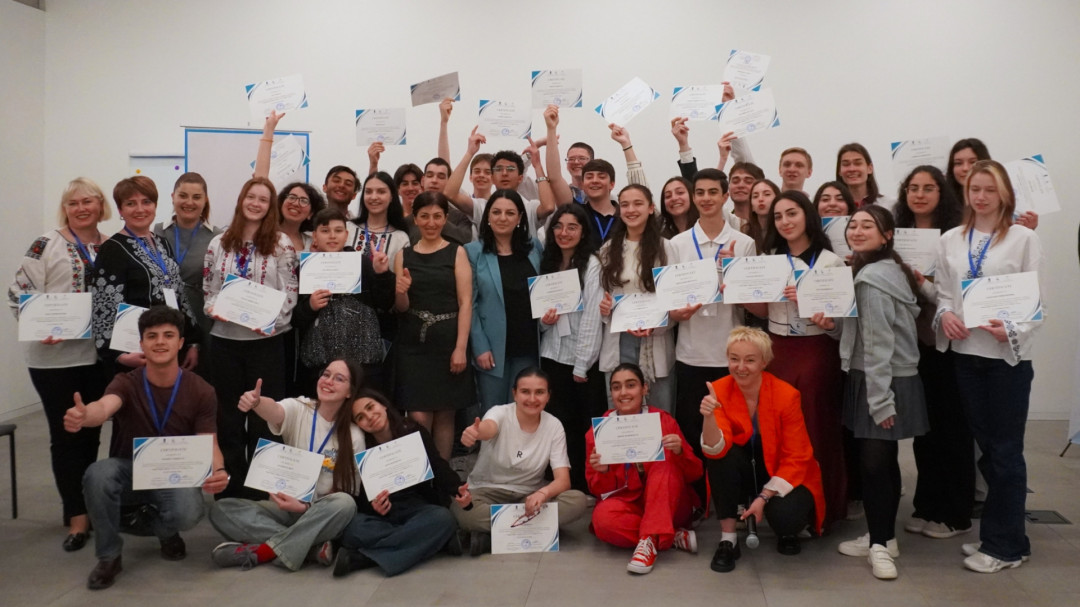
By Nanor Froundjian
The Concept Hotel in Debet, Lori, was bustling as a group of 28 teens from Armenia and Ukraine prepared for the final day of the week-long Human Rights Alphabet conference focused on education, peace and stability.
“It turned out that this is the first conference ever in this format, bringing kids from abroad to Armenia on this topic and within this age group,” said Larisa Harutyunyan, a representative from the Embassy of the Netherlands, who helped organize the conference. “It was unique from very, very, different perspectives.”
Participants, aged 14-16, were handpicked through an extensive selection process that sought out motivated applicants who had a basic understanding of human rights. The selection committee also prioritized those living in bordering villages of their country.
Diversifying the pool of participants to give equal opportunity to all applicants, especially those located in close proximity to conflict zones, was at the forefront of project’s execution. The Armenian part of the group included participants from Berd, Nagorno-Karabakh, Syunik and Armavir.
According to Harutyunyan, the cultural exchange was a key component as Armenians and Ukrainians drew parallels between their lived experiences related to conflict, peace and security.
The Human Rights Alphabet: Learn-Act-Change project was implemented by the Alvan Tsaghik Social-Educational Center in collaboration with the Pavlo Vyshniakov Charitable Foundation in Ukraine, and the Embassy of the Netherlands in Armenia.
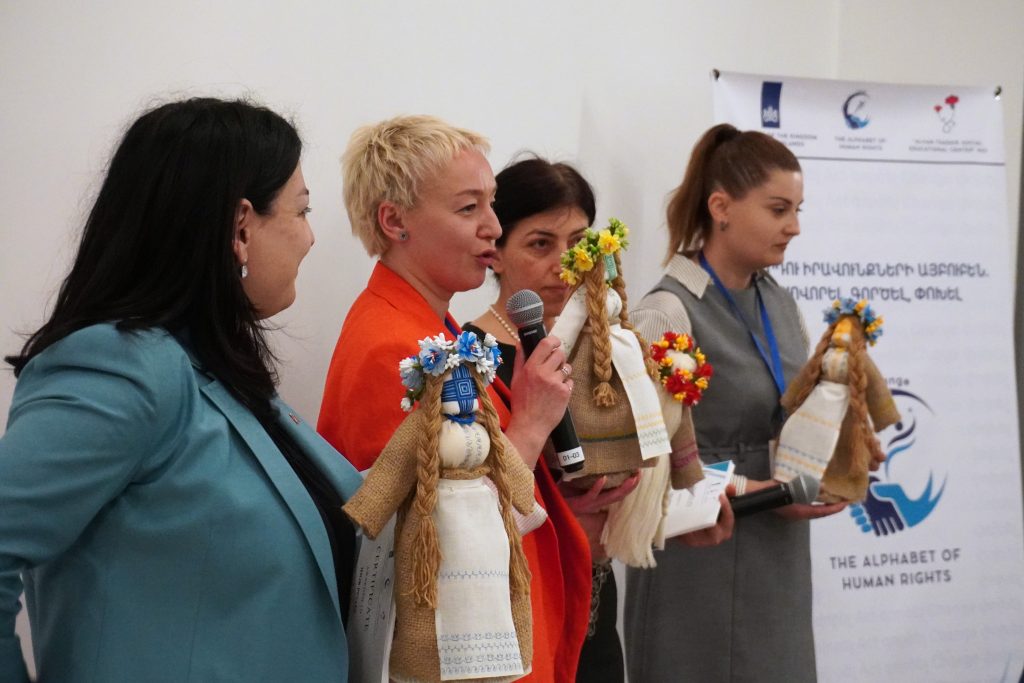
The exchange camp conference, held from March 23-29, is adjacent to a larger three-year initiative, which consists of a more comprehensive training on human rights among 100 youths annually, across the northern, central, and southern regions of Armenia.
Kicking off in Yerevan before journeying to Debet, the conference first tackled the themes of leadership and equality.
“Our future is dependent on you,” Ester Grigoryan, Human Rights Alphabet project manager, said is the message she hoped to instill in the participants as the program began. “So to have this start, it was very, really successful.”
The conference featured keynote speakers including Human Rights Defender of Armenia Anahit Manasyan; Ozheni Avetisyan, a participant of the Future Leaders Academy program; Ani Grigoryan, an investigative journalist and fact-checking specialist at CivilNet; Tatevik Matinyan, President of the Liberal Politics NGO; and many more.
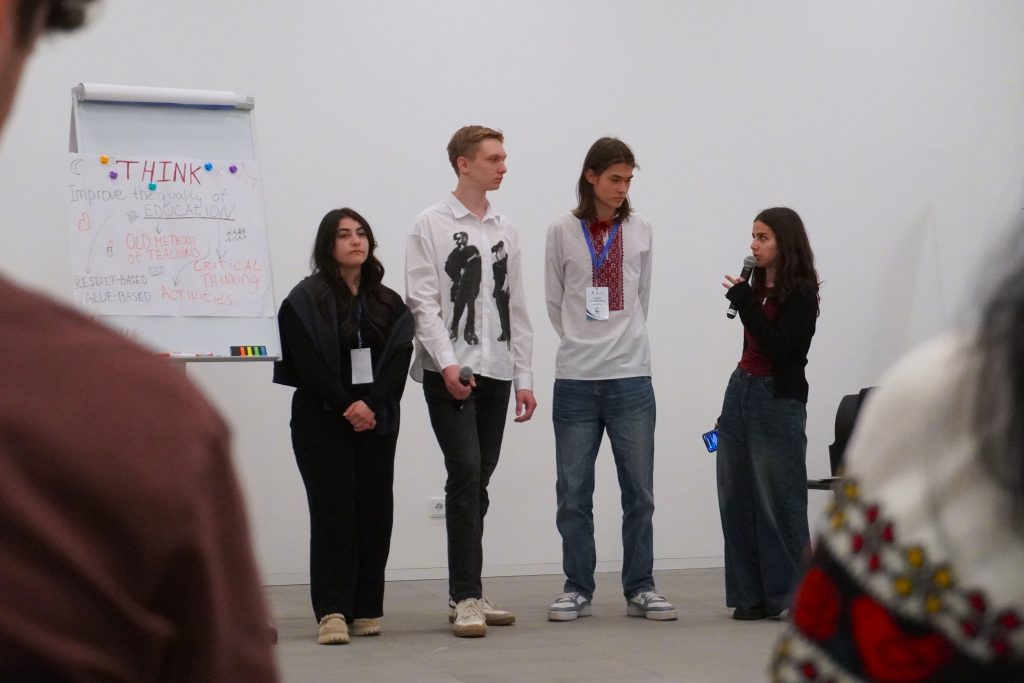
The schedule was balanced with outdoor ventures, including visits to the Ukrainian Embassy and the UWC Dilijan College, and a 10-km hiking tour from Debet to Dsegh and horseback riding.
In Harutyunyan’s vision, the goal of the conference can be boiled down to one thing: “To become a future game changer.” She added feeling a sense of pride seeing the results of the conference as it all drew to a close.
For aspiring lawyer Varsham Harutyunyan, 16, the themes of the Human Rights Alphabet project are initially what drew him in.
“Our youth must understand that education is the most important thing in life – and you must be educated to achieve something in your life,” said Varsham, who is from Spitak, Lori.
Theoretics aside, acquiring soft skills, networking and building bonds became a vital part of the learning experience as well.
“My favourite part was when we were travelling together and we were talking about the topics but not in a formal setting,” said participant Neli Nersisyan, a 16-year-old aspiring diplomat from Berd, Tavush. “This is the end of the program, and the start of our friendship,” she added.
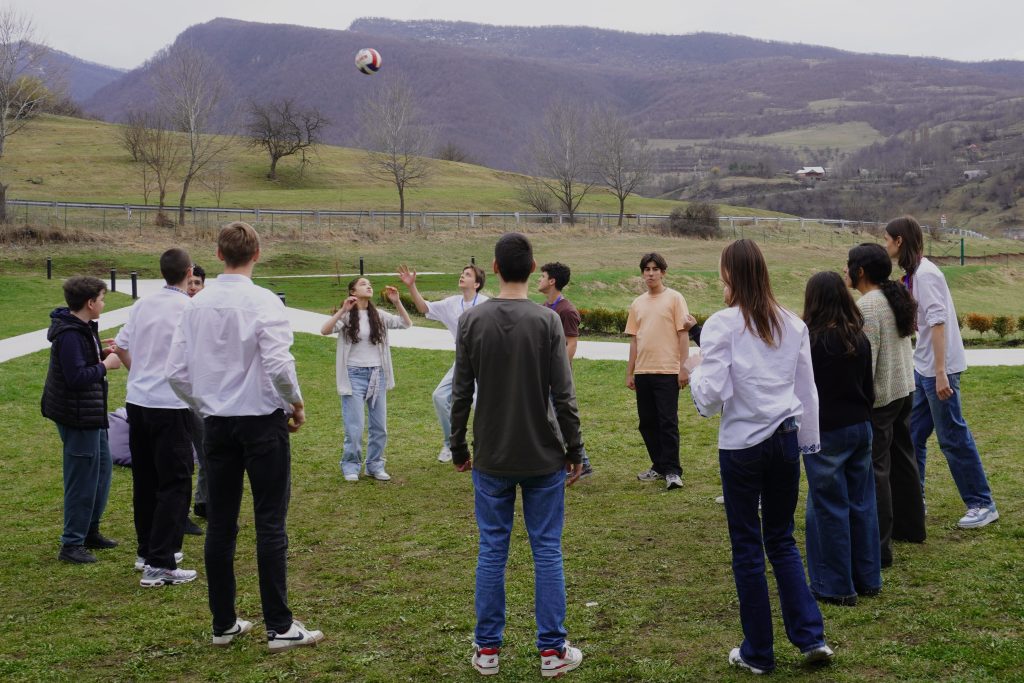
Though the last day was full of heartfelt goodbyes, it was cause for celebration for the organizers, who deemed this first iteration of the project a noteworthy success.





 Stories