 Civilnet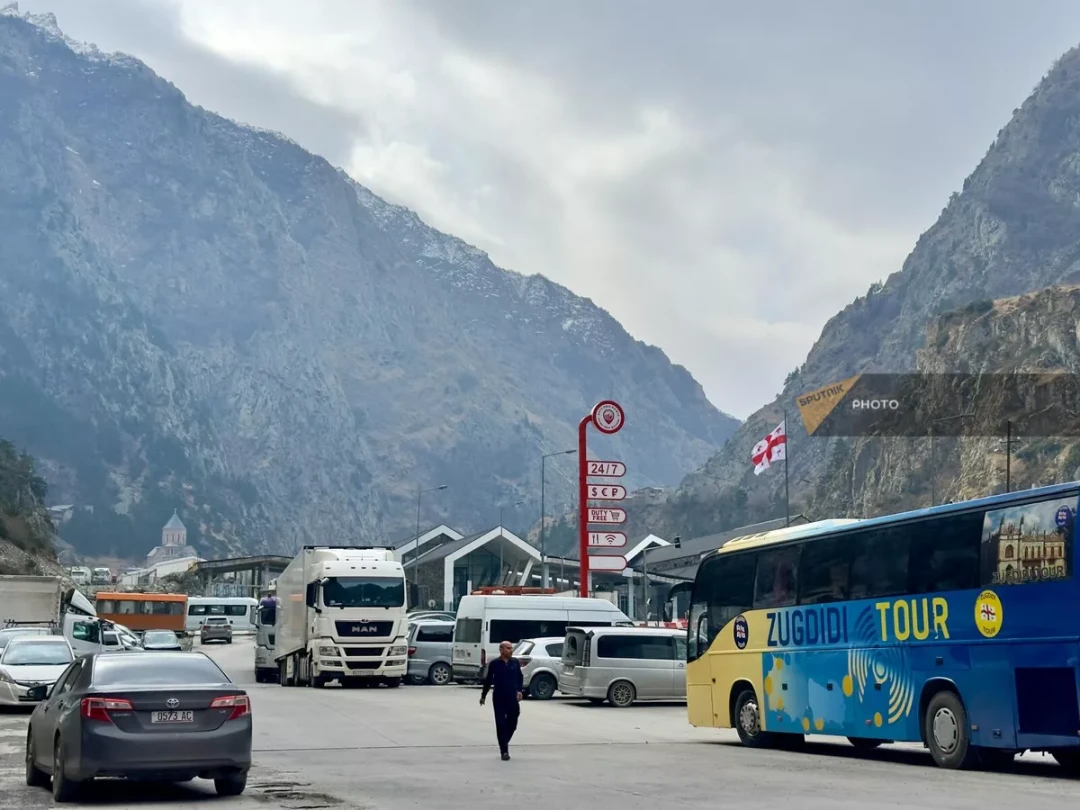
Dozens of Armenian trucks carrying alcoholic beverages have been stuck at the Georgia-Russia border in recent weeks, as Georgian customs authorities subject the shipments to unexpected laboratory testing, delaying their journey to export destinations such as Russia and the Baltic states. Exporters say the situation has persisted for over a month and a half and is costing them significant losses.
Speaking to Radio Azatutyun, an exporter familiar with the situation, who wished to remain anonymous, said the inspections were taking place in Tbilisi, where samples are collected and sent for analysis. Georgia is a transit country. It makes no sense that they’re testing Armenian cognac. For them, the quality shouldn’t matter—what difference does it make to a transit country?” the exporter said.
While Armenian producers acknowledge that delays on the Russian side are somewhat expected, given that Russia is the final destination market, they say the hold-ups in Georgia are both unusual and damaging. Exporters claim that due to the delays, they are missing contract deadlines with Russian buyers, leading to losses and allowing competitors from countries like Azerbaijan to capture shelf space.
“This has never happened before,” said the exporter. “Every day a truck is held, the exporter must pay the carrier. Deliveries are arriving up to a month late, and both sides lose money, but especially the exporter. The transport company is stuck with idle trucks, and the producers face huge financial damage.”
Armenia’s Ministry of Economy is aware of the issue. In a parliamentary session, opposition MP Garnik Danielyan raised the problem with Minister of Economy Gevorg Papoyan, warning that local businesses risk being pushed out of competitive markets. “The losses our producers are incurring are devastating. This must be a top priority. I urge you to meet with the alcohol producers to clarify what’s going on and how they can plan their production,” Danielyan said.
Papoyan responded that the issue was raised during a recent visit by Georgia’s First Deputy Prime Minister and Minister of Economy to Yerevan. “We discussed this and other topics. The problem isn’t limited to cognac—it also affected exports like flowers, foil, and textiles, which we’ve now resolved,” he said. However, Papoyan acknowledged that the alcohol issue remains unresolved. “We need not just temporary fixes but institutional solutions to avoid future bottlenecks.”
According to Radio Azatutyun, around 30 trucks carrying Armenian alcohol are currently waiting on the Georgian side of the border for test results before they can proceed, or be sent back.





 Stories