 Civilnet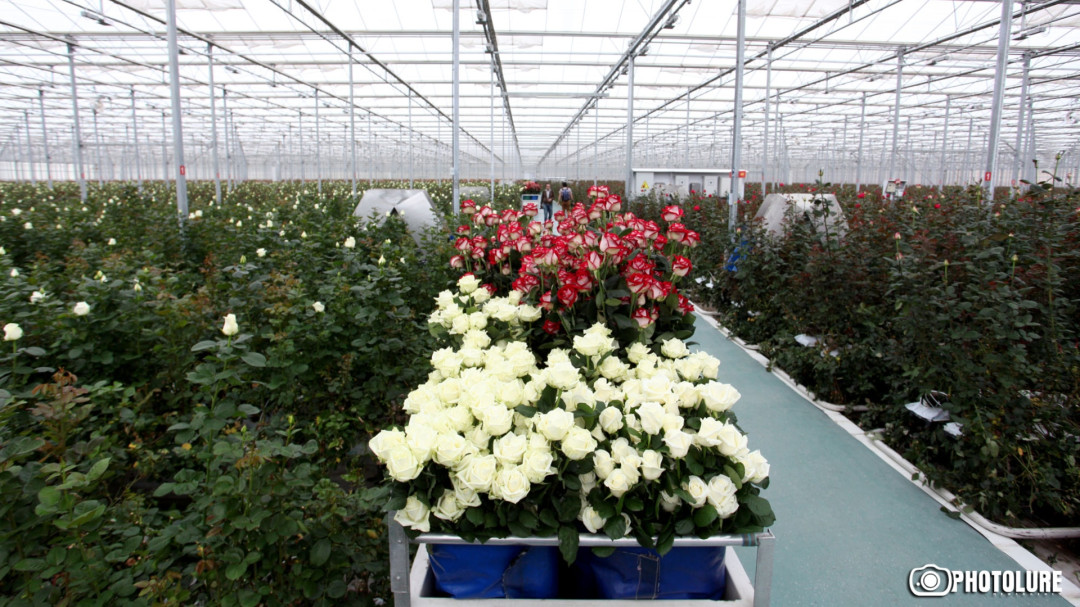
By Alexander Pracht
A growing sense of alarm is spreading among Armenia’s flower producers, as Russia’s ban on floral imports from the country, introduced last month, remains in effect.
Last Friday, dozens of greenhouse owners in Armavir province, one of Armenia’s main floriculture hubs, staged a protest demanding swift government action to resolve the standoff with Russia. The demonstrators, who rely heavily on the Russian market, warned that without a breakthrough, they would escalate their protest by blocking a highway to Yerevan.
“I don't know what I'm going to do with my 60,000 flowers that are about to blossom,” one farmer told RFE/RL’s Armenian service.
Russia’s agricultural watchdog, Rosselkhoznadzor, first raised the alarm in early June over what it described as repeated detections of quarantine pests in Armenian flower shipments. Despite Yerevan’s pledges to improve phytosanitary controls, the agency reported numerous cases of allegedly contaminated flowers and announced in late June that only exporters who can verify the origin of their products would be allowed to resume shipments.
The ban has largely paralyzed exports from Armenia’s flower industry, which sold $32 million worth of products, including not just cut flowers but also decorative greenery, and flower buds, to Russia last year.
Armenia’s Food Safety Inspectorate says it has secured permission for seven companies to restart shipments and expects further progress, agency spokesperson Anush Harutiunian told RFE/RL.
While the official rationale for the ban is phytosanitary, critics in Armenia view it as part of a broader pattern of economic pressure amid worsening political ties. Moscow has previously used sanitary justifications to suspend Armenian exports of fruit, vegetables, and alcohol.
In a similar move last week widely interpreted as a response to geopolitical friction, Russia imposed temporary bans on the import of Azerbaijani fruit and dairy products, citing sanitary concerns. The ban followed a diplomatic rift after Russian authorities cracked down on organized crime in its Azerbaijani diaspora, detaining dozens and killing two for allegedly resisting arrest. Baku responded by arresting numerous Russian nationals and shutting down the country’s media outlet Sputnik’s local bureau, accusing it of espionage.





 Stories