 Civilnet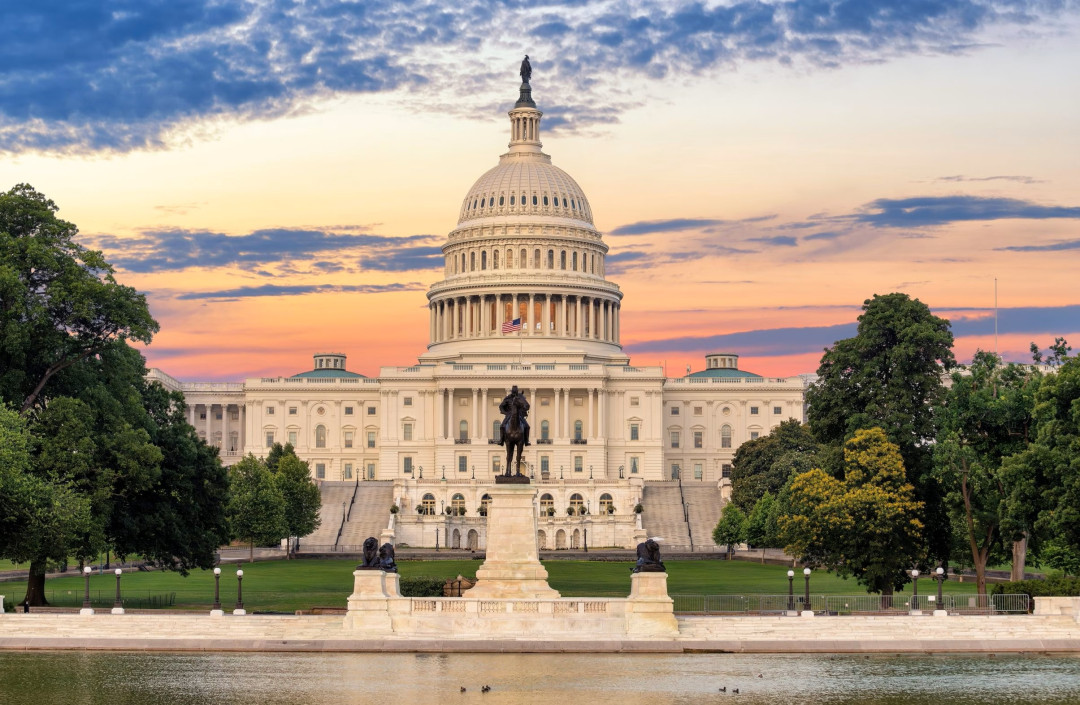
By Arshaluis Mgdesyan
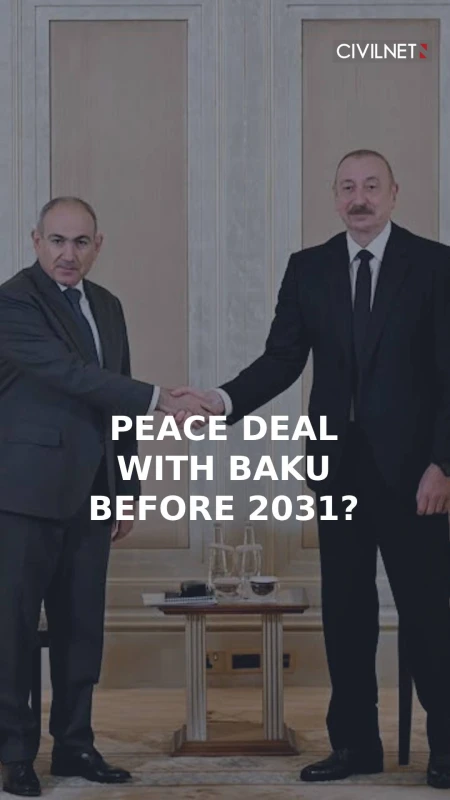
The United States is actively considering sanctions against Azerbaijan to encourage a lasting peace agreement with Armenia, Philip Bednarczyk, Director of the German Marshall Fund’s Warsaw Office, told CivilNet in an interview conducted in Warsaw last Thursday.
Bednarczyk, who previously served as a senior adviser on European affairs in the U.S. Congress, explained that ongoing discussions in D.C. include the possibility of sanctions targeted at specific Azerbaijani figures and entities, alongside potential cuts or limitations to certain aid packages directed to Baku.
“There are active discussions—not only about potential sanctions on specific actors but also about the threat of sanctions and withholding certain forms of aid to Baku,” Bednarczyk noted. He emphasized that Azerbaijan should take these considerations seriously, particularly due to the country's increasingly strained relations with Russia.
Washington's involvement comes amid ongoing tensions between Armenia and Azerbaijan over the unresolved status of Nagorno-Karabakh, a disputed region that has seen periodic violence since the collapse of the Soviet Union. The U.S., along with other international actors, has been involved in efforts to mediate between the two sides and secure lasting peace.
Bednarczyk highlighted the Trump administration's view of the current Armenia-Azerbaijan situation as "a real opportunity for the U.S. to help secure a win for the region and for itself." He noted that achieving peace in the South Caucasus would serve not only regional stability but also U.S. strategic interests.
However, Bednarczyk cautioned that U.S. engagement is highly time-sensitive. “The key is timing," he explained. "A peace deal could be close—so now is the time for the U.S. to engage. But I don’t see a long-term, sustained level of attention as being likely in the coming years. So the timing of involvement is critical.”
When asked about the practical mechanisms at the disposal of the United States to facilitate negotiations between Armenia and Azerbaijan, Bednarczyk admitted that certain diplomatic and developmental tools, traditionally managed by institutions like the State Department and USAID, have recently been subject to budget cuts. Nevertheless, he maintained that the U.S. still possesses significant leverage.
“The U.S. still has a broad toolbox,” he said, citing “economic incentives, strategic investments, and diplomatic channels.” These resources, he argued, remain potent means of influencing the negotiations and supporting a sustainable peace settlement.
Additionally, Bednarczyk mentioned ongoing legislative discussions and measures under review by both Congress and the Trump administration aimed specifically at pressuring Azerbaijan to engage more constructively in peace negotiations. Such pressure, he noted, is crucial if the U.S. is to maintain credibility in the region.
“It would be a mistake for the administration to slow down or walk away—or to support an unsustainable deal,” Bednarczyk warned. “That would damage America’s reputation in the region, which is already under scrutiny.”
He further pointed to the significant role played by diaspora communities, particularly Armenian-American groups, in ensuring continued bipartisan interest in the South Caucasus region within the U.S. political landscape. These communities have actively advocated for greater U.S. engagement in Armenia-Azerbaijan peace efforts.
"From my recent time in Congress, I can also say there is a well-organized, active, and respected diaspora community, which does an excellent job of making its voice heard in both the House and the Senate,” Bednarczyk added.
The ongoing geopolitical shifts, particularly Russia’s increasingly complicated relations with regional actors, underscore the importance of effective U.S. engagement in the South Caucasus. According to Bednarczyk, failing to seize the current diplomatic opportunity could lead to further regional instability and diminish U.S. influence in a strategically significant area.



 Stories