Civilnet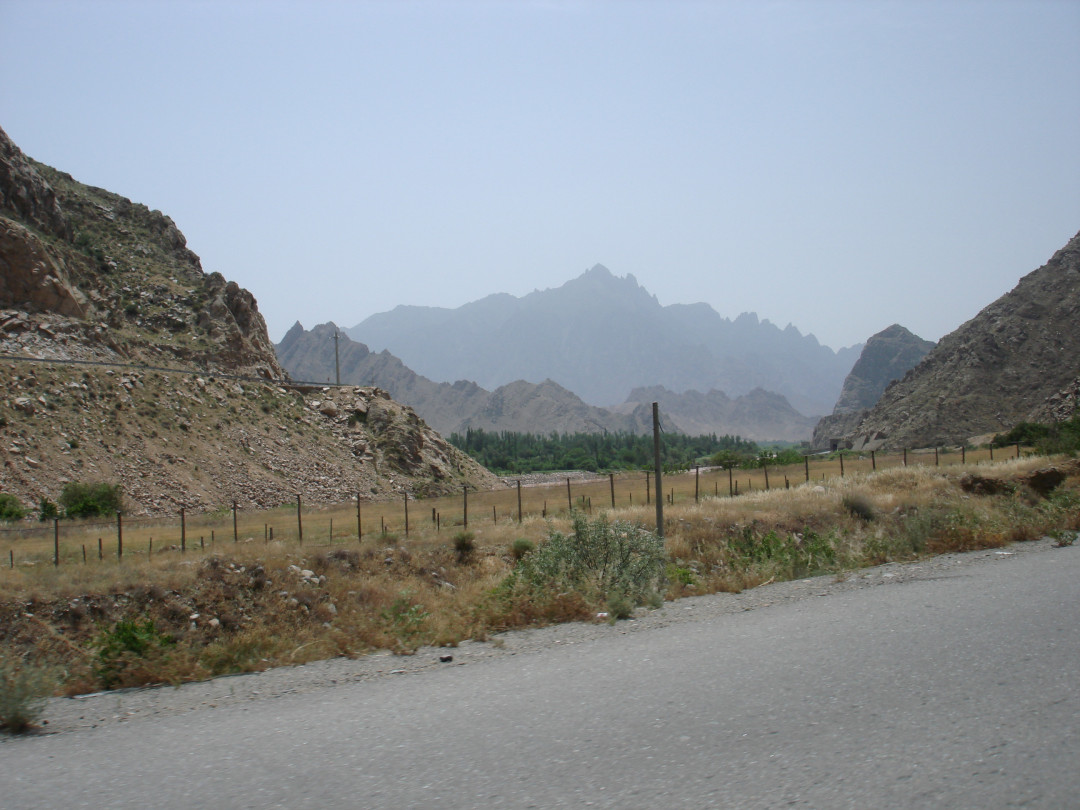
Op-ed by Vartan Oskanian, Armenia’s former foreign minister (1998-2008)
In today’s press conference, Nikol Pashinyan likened the idea of granting control over a corridor through Armenia’s sovereign territory to a third party with outsourcing national infrastructure such as the airport, railways, or postal services. This analogy is absurd, misleading, and dangerous.
First, outsourcing the management of an airport or a postal service is a commercial arrangement in which national jurisdiction remains fully intact. The Republic of Armenia continues to exercise sovereignty over its land, airspace, and legal framework. These are standard public-private partnerships used globally to promote development, modernization, and efficiency—while retaining full national control.
By contrast, the “corridor” concept—demanded by Azerbaijan and occasionally echoed by outside powers—implies something entirely different: the extraterritorialization of Armenian land. It envisions a strip of sovereign territory removed from Armenia’s legal, administrative, and security authority, ceded either de facto or de jure to another power. That is not a commercial transaction; it is a derogation of sovereignty.
The distinction is simple but fundamental: outsourcing services is governance; outsourcing a “corridor” is territorial concession.
Pashinyan’s rhetorical deception blurs this line, disorienting public understanding and dangerously lowering the bar for future concessions. To suggest that handing over jurisdiction of a transit route is akin to granting a concession to run Zvartnots Airport is to confuse the leasing of a service with the abandonment of a border.
If this comparison were valid, any colonial-era concession could be rebranded as modernization. But history teaches otherwise. Territorial sovereignty is not a management contract—it is the foundation of statehood.
By proposing to outsource control of a corridor through Armenia’s Syunik province to a third party—reportedly to facilitate unimpeded Azerbaijani access to its exclave, Nakhichevan—Nikol Pashinyan risks compromising Armenia’s sovereignty and territorial integrity under the guise of regional "connectivity."
A corridor under third-party control—regardless of who administers it—would set a dangerous precedent. It would effectively carve out an extraterritorial route through Armenia proper, subordinating national sovereignty to the transit rights of a state that not only refuses to renounce violence but continues to threaten Armenia’s security and viability. Such a corridor, even if nominally administered by “neutral” actors, would in practice serve as a mechanism of Azerbaijani expansionism.





 Stories