 Civilnet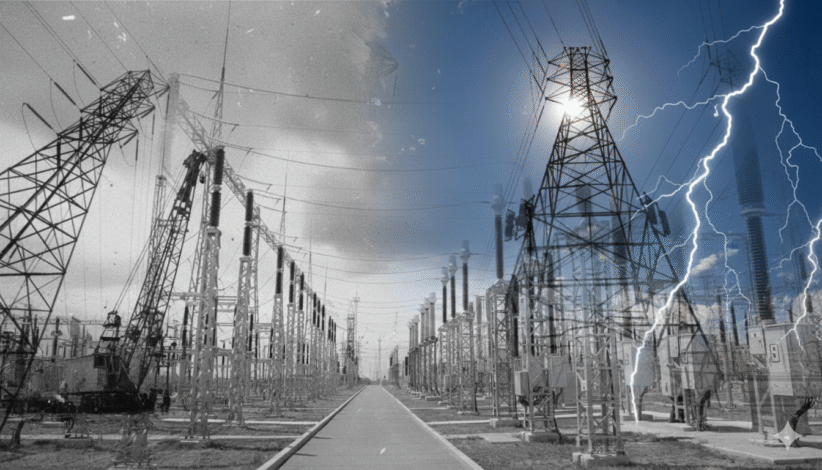
By Gevorg Tosunyan
As Armenia prepares to take back control of its electricity distribution network, an investigation has revealed large-scale corruption and mismanagement inside the state-owned High-Voltage Electric Networks (HVEN) — a company responsible for transmitting power across the country.
According to CivilNet’s investigation, more than 2.6 billion drams (around $6.5 million) in damages were registered in HVEN over the past seven years, mostly from cases of embezzlement, fraud, and abuse of office. Yet, only 8 percent of the losses have been recovered, and no one has been charged. Six additional criminal cases involving theft — from copper cables to steel structures — are also under investigation.
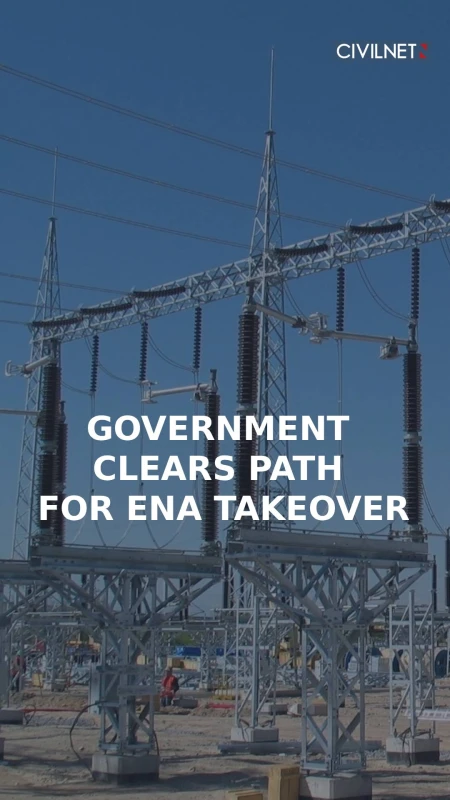
HVEN, owned by the Armenian government, operates the high-voltage grid (220 kV and above) that connects power plants with regional substations. By contrast, Electric Networks of Armenia (ENA) — currently run by Russia-based Tashir Group — manages the distribution network (110 kV and below) that delivers electricity to end users. The government recently announced plans to renationalize ENA, arguing that critical infrastructure must remain under national control.
The probe into HVEN dates back to 2019, when Armenia’s State Oversight Service and Audit Chamber found extensive procurement violations and unauthorized spending that caused over 1.1 billion drams in losses. A subsequent investigation in 2023 uncovered even larger irregularities — another 1.4 billion drams — but neither case has resulted in indictments.
Despite the missing funds, HVEN’s executive salaries and bonuses have steadily increased: its annual payroll rose by a third between 2019 and 2024. Independent audit reports by BDO and Grant Thornton have also repeatedly raised red flags. For five consecutive years, auditors issued only qualified opinions, citing concerns over unverified debts and uncompleted construction projects worth more than 6 billion drams, including two substations in Shinuhayr and Agarak-2.
Energy sector analyst Babken Pipoyan told CivilNet that HVEN’s inefficiency has long been masked by ENA’s stronger management. “For years, when HVEN caused problems, ENA absorbed the impact to avoid public outcry,” he said. “Had that not been the case, society would have seen how fragile the transmission system really is.”
Founded in 1997, HVEN has ten regional branches and plays a crucial role in maintaining Armenia’s energy security. In 2018, Tashir Group considered taking over its management but withdrew, citing the company’s heavy debts — estimated then at $520 million — and lack of transparency. HVEN’s current management insists that the company is financially stable and meeting all obligations, though criminal and audit reports suggest otherwise.
The revelations come at a politically sensitive time, as Prime Minister Nikol Pashinyan’s government champions energy sovereignty while facing renewed scrutiny over state-sector corruption.
Read the full investigation in Armenian: Մինչ ՀԷՑ-ը պետականացվում է, պետական ԲԷՑ-ում միլիարդների չարաշահումներ են՝ առանց մեղադրյալի




 Stories