 Civilnet
By Elen Muradyan
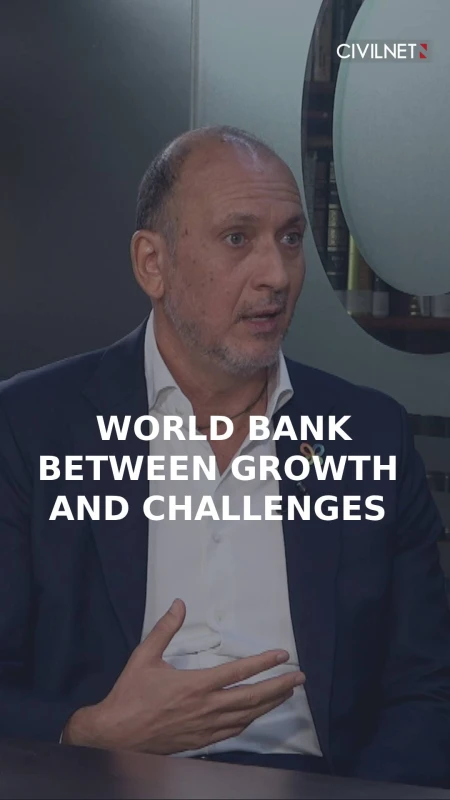
Armenia’s former finance minister Vardan Aramyan has called the government’s planned nationwide cashback program a “positive and practical step” toward greater transparency and wider use of cashless payments.
In an interview with CivilNet published Monday, Aramyan said the plan — set to introduce a 2% refund on all electronic purchases in 2026 — uses “material incentives” proven effective in behavioral economics. “All else being equal, the average person is materialistic,” he said, noting that such discounts encourage people to switch from cash to cards.
“The 2% and 20% rates will both raise motivation to go cashless,” Aramyan said. “That’s good because electronic transactions are easier to monitor.” He said the policy would improve fiscal oversight and curb the shadow economy. The 20% rate applies to pensioners, who currently receive 12% cashback under an existing government program.
Many sectors in Armenia still rely on cash, he noted, but the refund system could change that. “The same pensioner will buy goods by card and get cashback,” he said.
According to Prime Minister Nikol Pashinyan, the scheme will cover all ArCa cardholders regardless of their bank, excluding gambling transactions. ArCa is Armenia’s national payment network used by local banks for domestic transactions. Pensioners’ refund rate will rise from 12% to 20%, with the monthly cap increasing from $16 to $26.
The government says the initiative aims to promote cashless payments, ease living costs, and reward “honest and traceable economic behavior.” It is linked to broader digital reforms and the 2026 budget, which foresees a 5% spending increase and higher funding for social and health programs.
Aramyan, who served as finance minister from 2016 to 2018, said cashback systems are not only fiscal tools but also part of economic culture. “They help people understand the value of transparent transactions,” he said. “If implemented consistently, it will make the economy more disciplined and accountable.”




 Stories