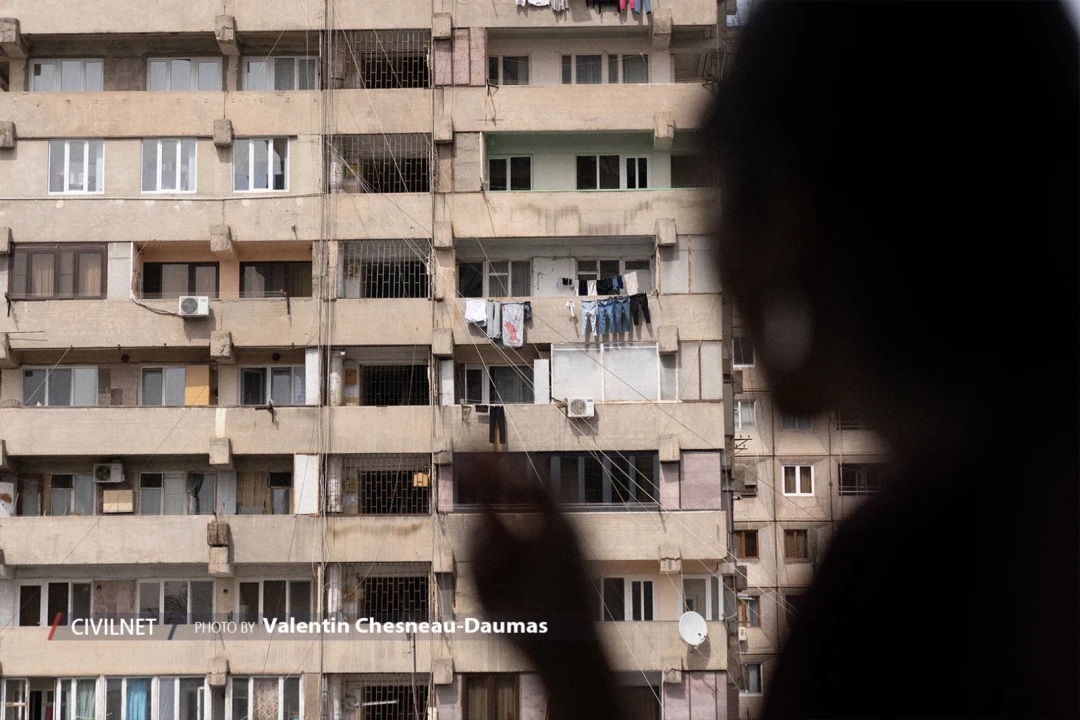
By Ani Paitjan
Leili (25), Azad (31), and Raha (30) left their home in Iran in the midst of turmoil and have now settled in Yerevan. Though their life is calmer now, it comes with a lingering uncertainty about what lies ahead.
Leili carefully arranged each element of her Haft-Seen table, honoring a tradition she refuses to abandon. The sabzeh, or sprouted lentils, sat beside the samanu, a thick, sweet paste. Around them, dried fruits (senjed) evoked deep roots, while vinegar (serkeh) whispered of time passing. A single apple (seeb) rested there, simple and symbolic, and sumac, with its deep red hue, recalled the first light of sunrise, representing the silent victory of good over evil people hope will return stronger each year.
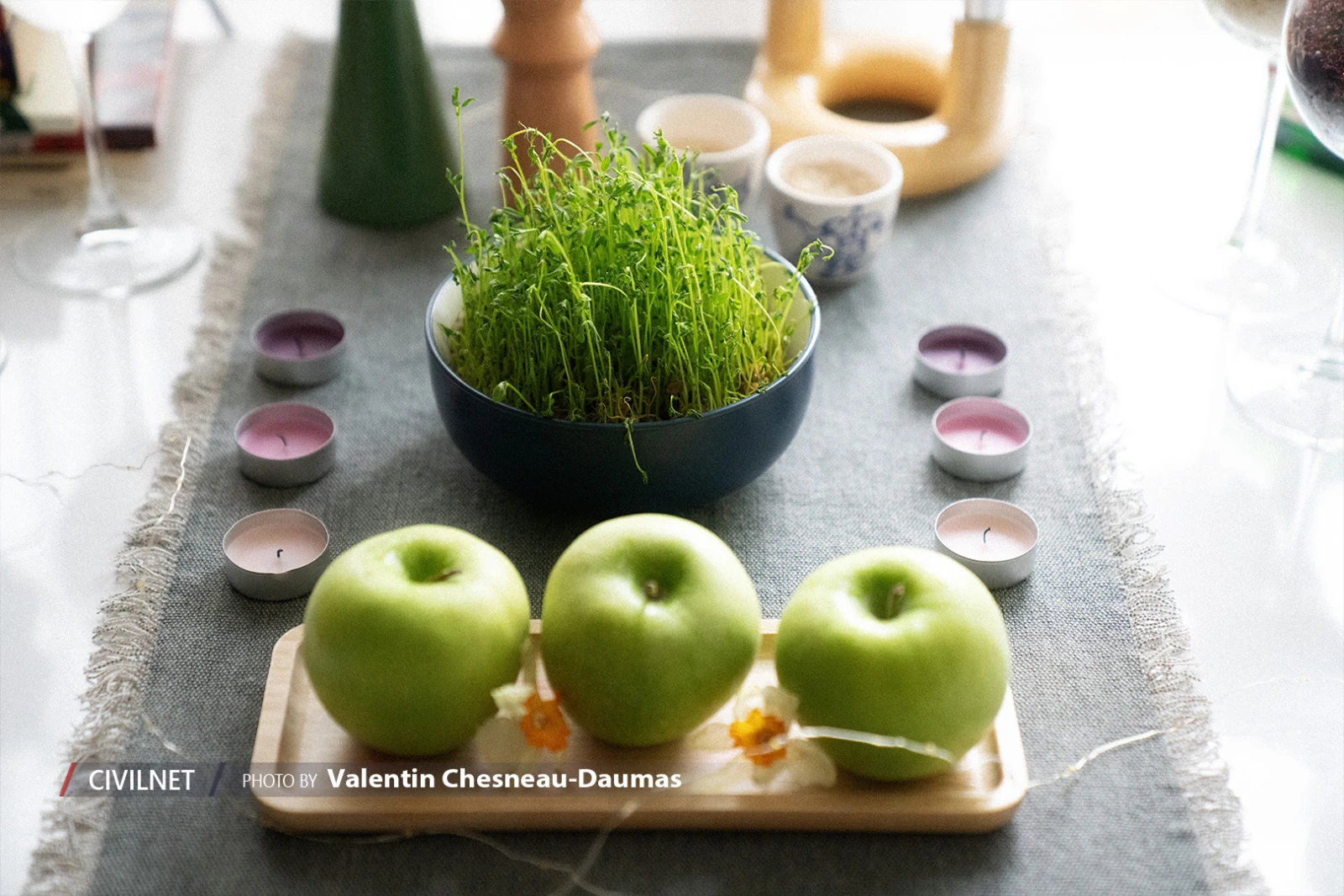
These are the seven elements of the table prepared for Nowruz, the Iranian New Year. On that day, families and friends gather to celebrate the promise of a gentler year ahead.
But this year, Leili did not celebrate surrounded by family in Tehran. Instead, she welcomed the new year in a two-room apartment in a newly built building in Yerevan, far from home, with only her boyfriend by her side.
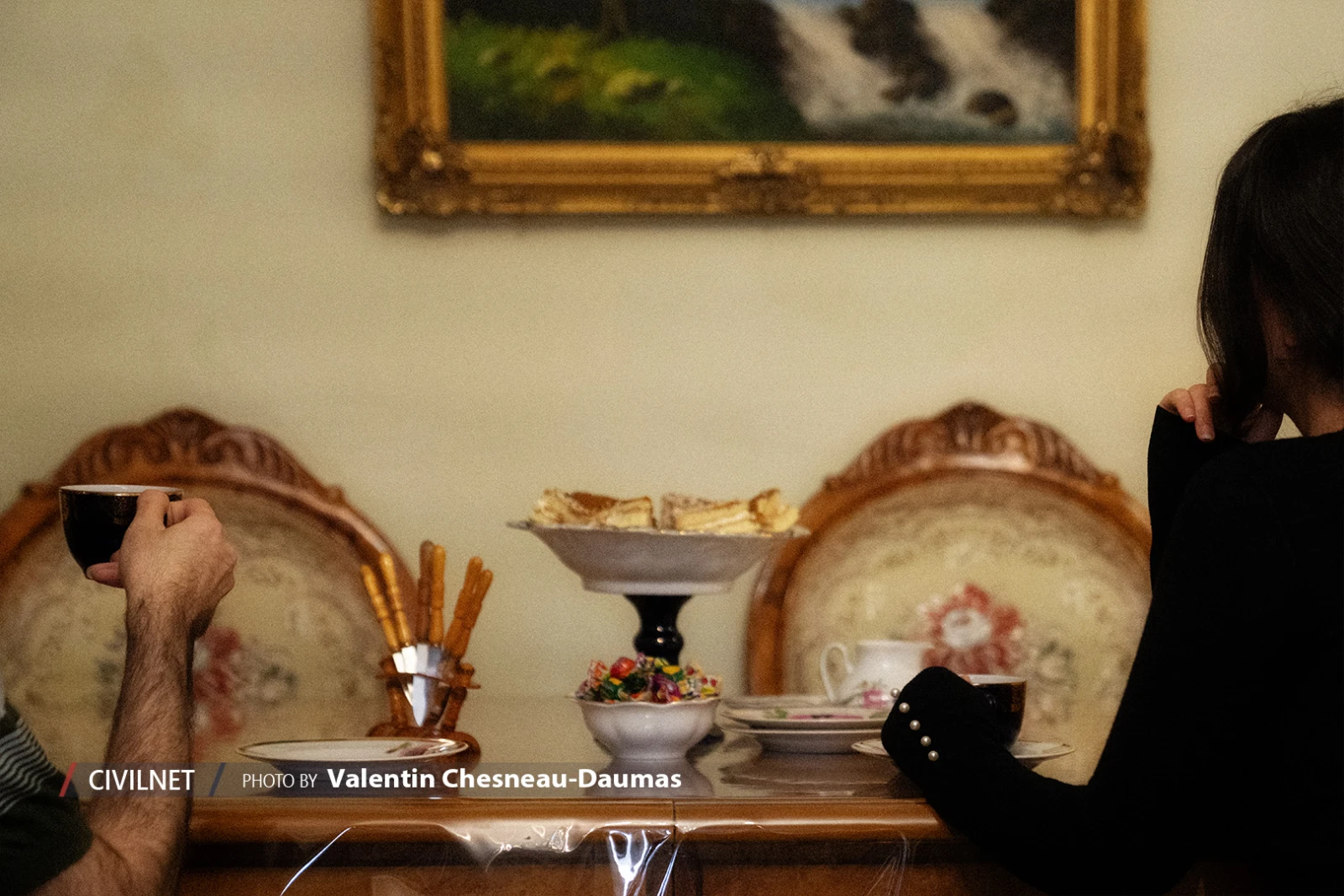
Leili left her home last September during the Twelve-Day War between Israel and Iran.
“That’s when I had my first panic attack,” she recalls. “After that, I knew I couldn’t go on living like this—with the shadow of war constantly hanging over me. You don’t live like a human being anymore. You survive like an animal, at the bottom of the food chain.”
Since that conflict last summer and the new Israeli/U.S. war on Iran, thousands of Iranians have sought refuge abroad. For many, there are only two escape routes: Armenia or Turkey.
Leili didn’t hesitate. Her boyfriend’s company relocated to Armenia during the unrest. She packed her bags and headed to Yerevan.
It wasn’t her first time in Armenia.
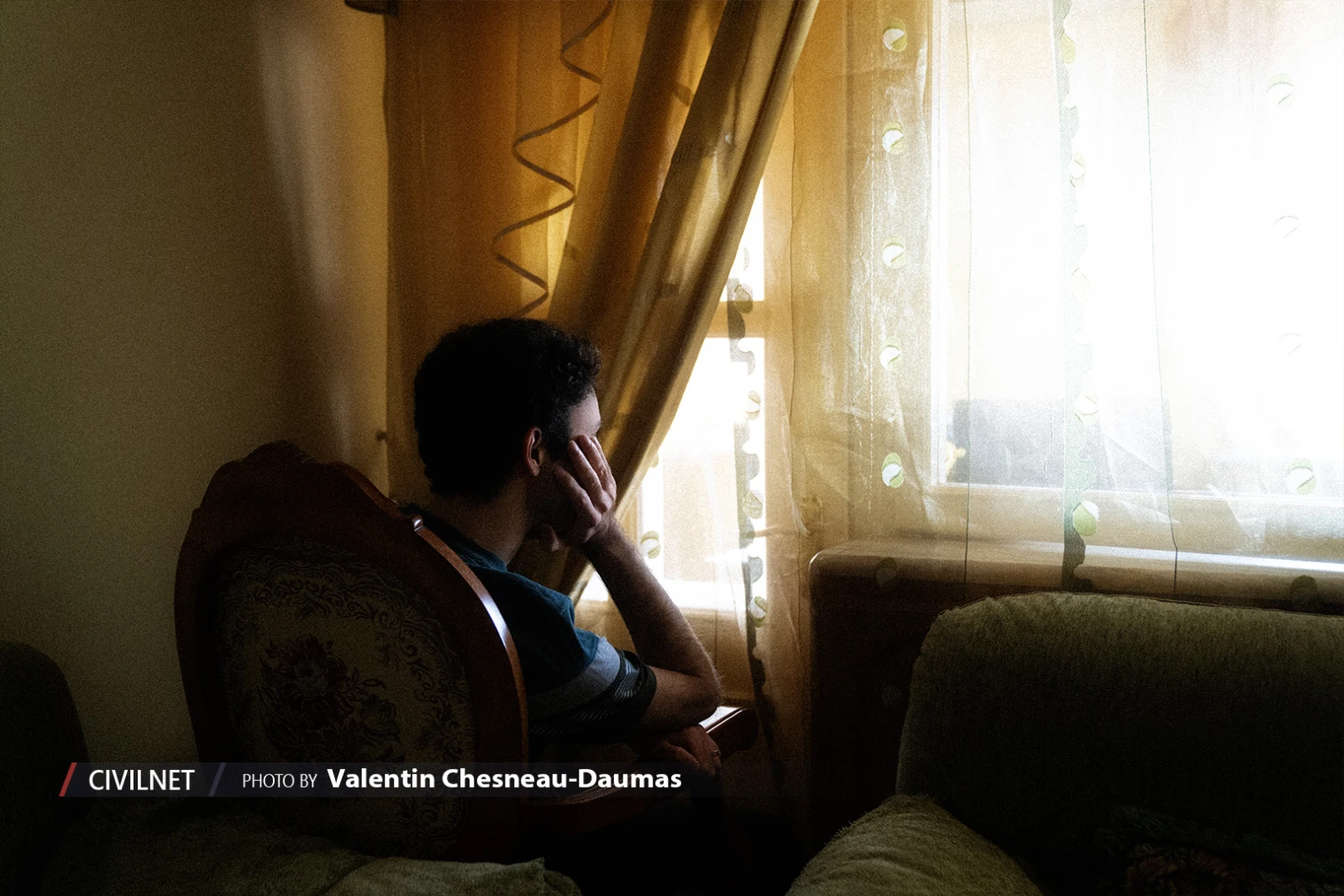
“I came here as a child with my parents. We planned to stay ten days, but we ended up staying a month. I already loved the atmosphere—the streets, the energy, the sense of carefree life.”
Back in Tehran, young Leili had grown close to Armenian neighbors. Their home became a window into a different world.
“In a way, I grew up with them. They had Armenian musical instruments at home—it was the first time I’d ever seen instruments in a house. With them, I saw my first Christmas tree. I saw people raising glasses and drinking alcohol freely. It felt joyful. I grew up in a strict Islamic environment where these things were forbidden, where we were told such joys shouldn’t exist. I think I loved Armenia before I even set foot here. It felt like a spark of freedom.”
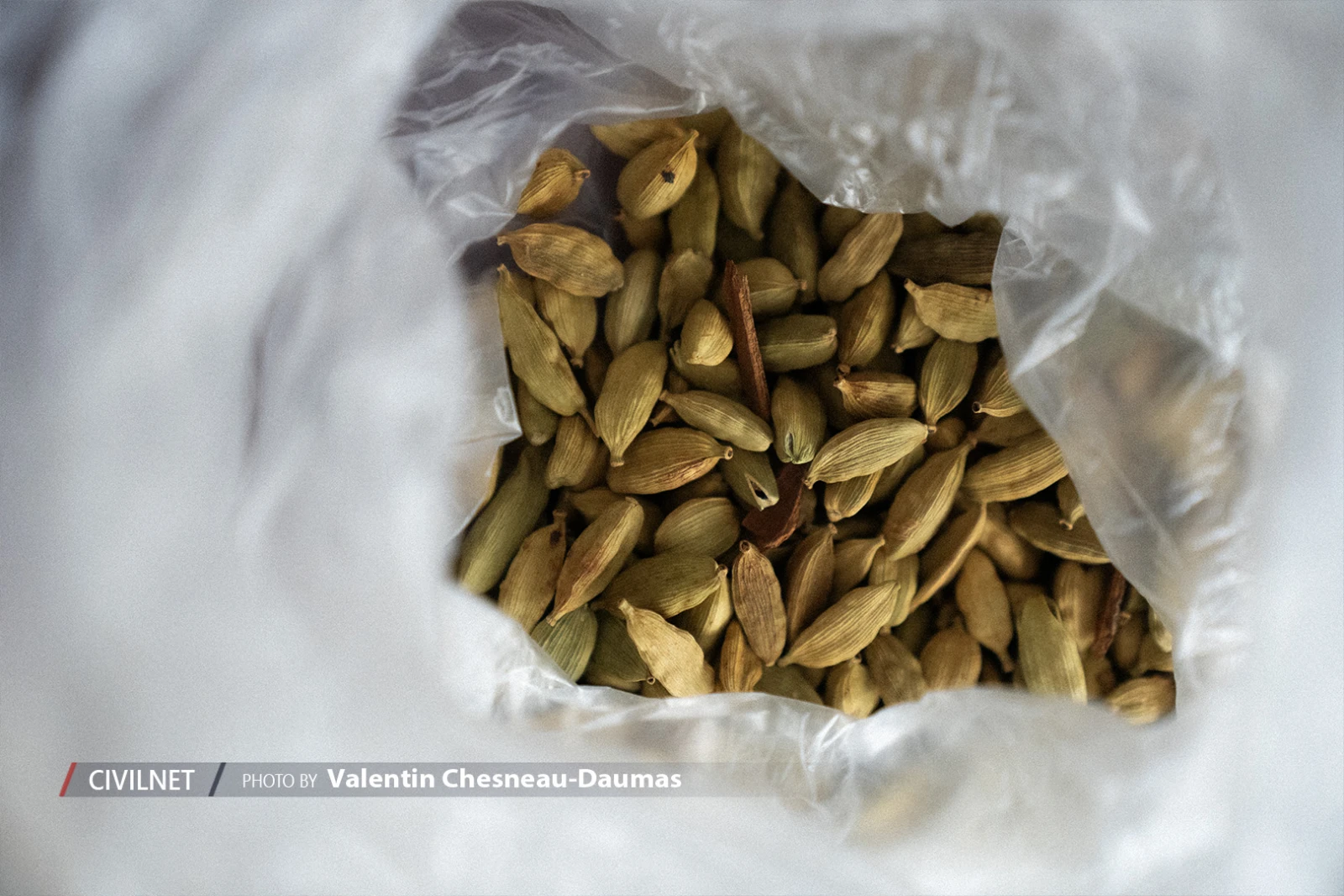
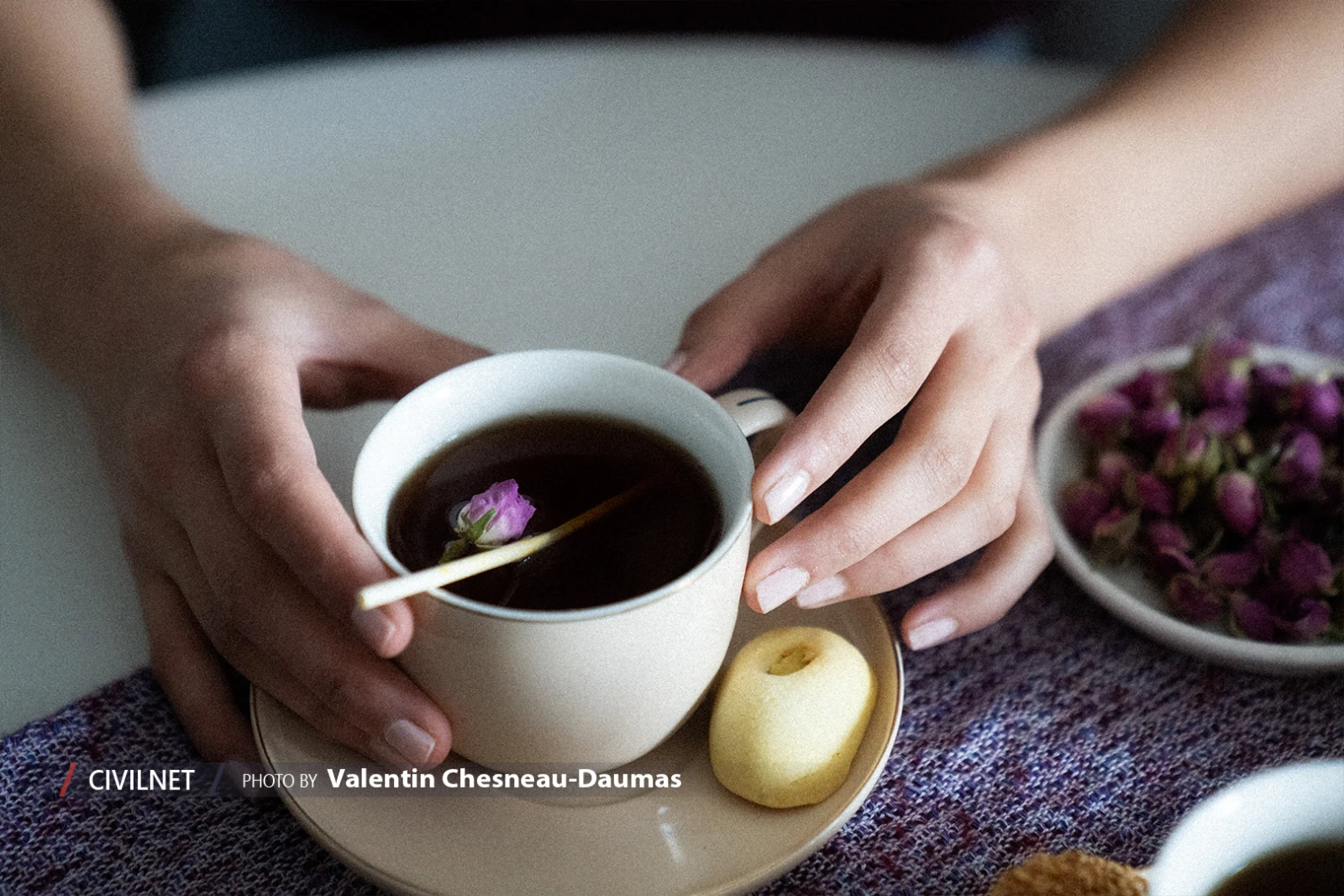
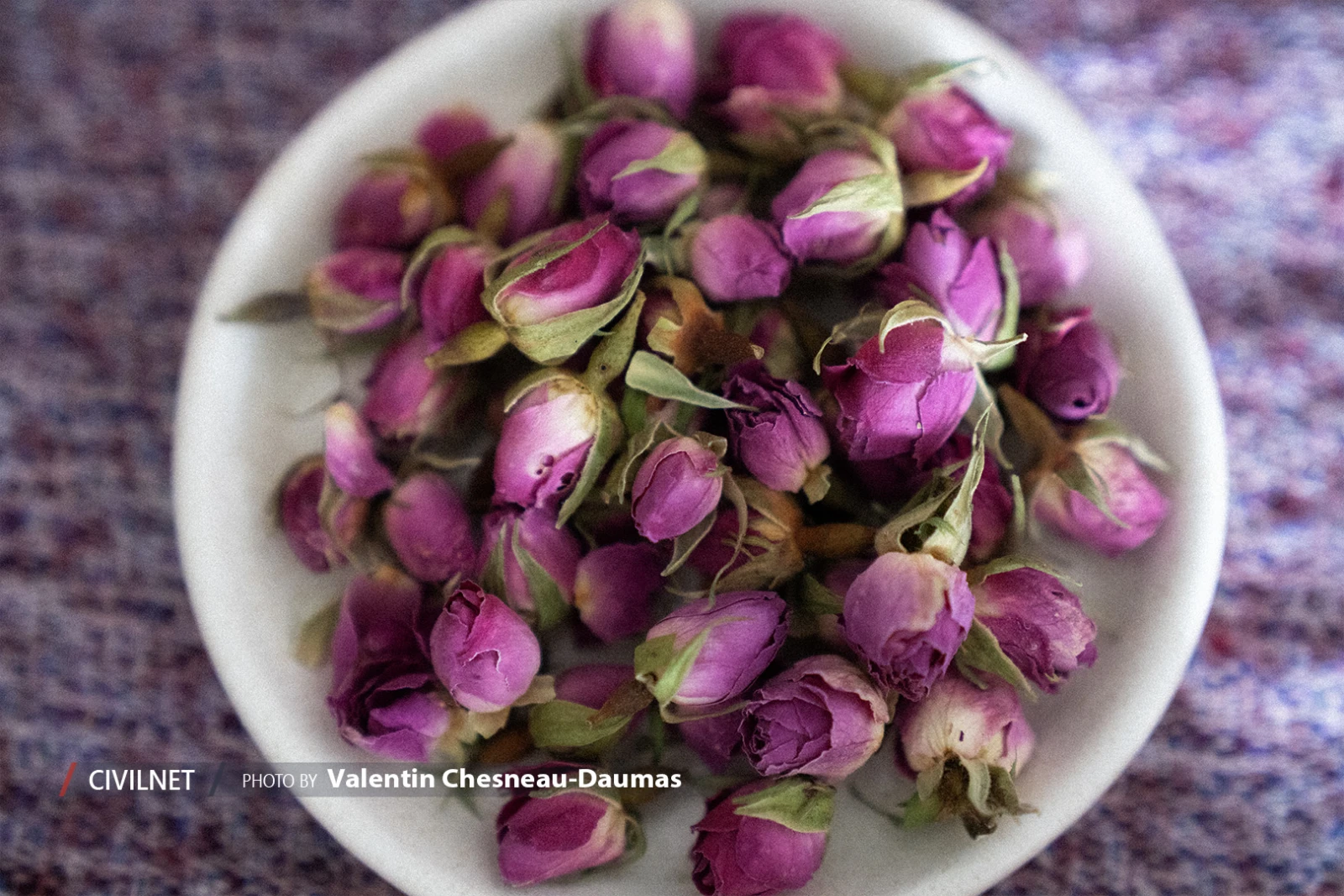
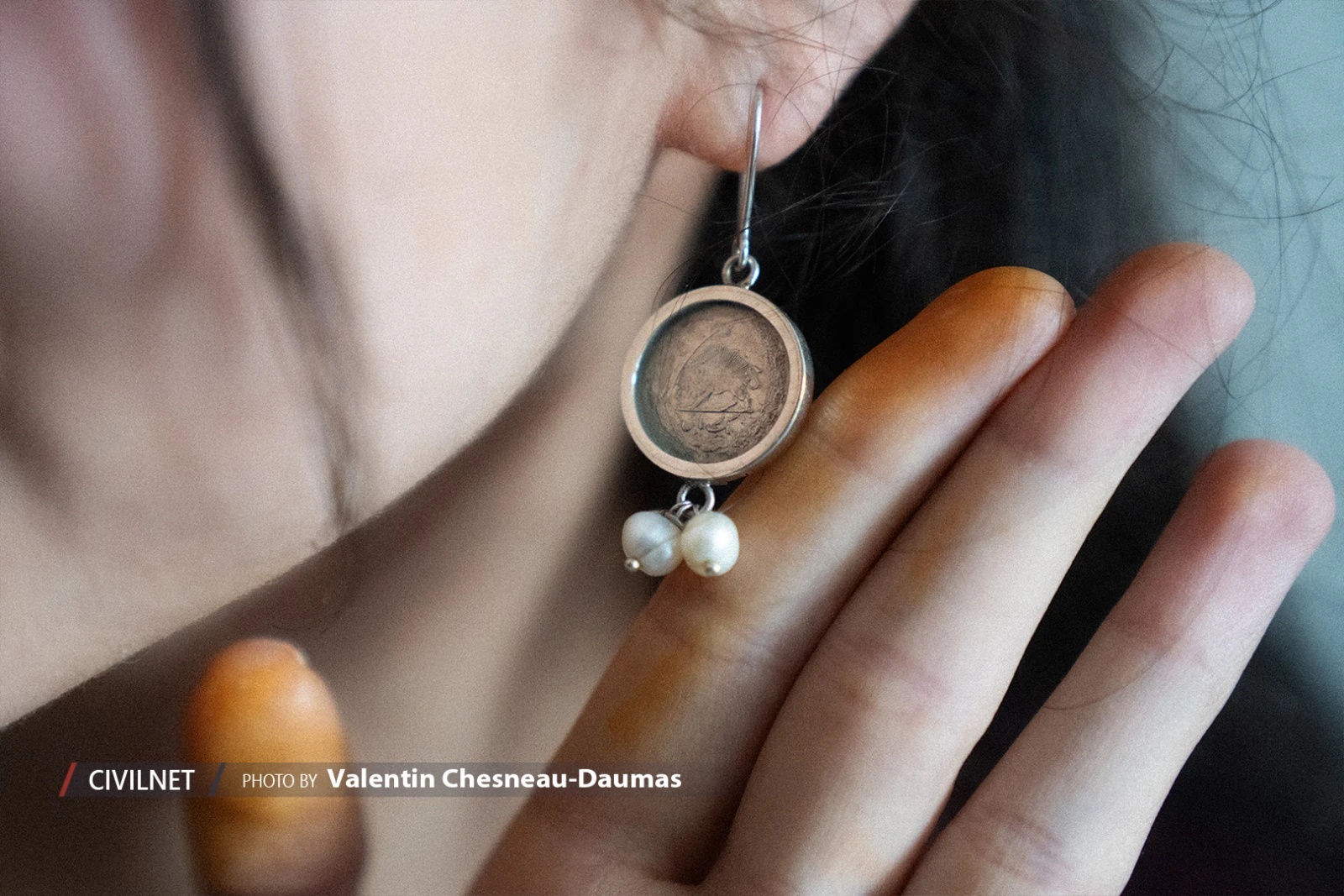
A New Beginning, Full of Obstacles
In a more modest four-room apartment on Nar-Dos Street, Azad and Raha, in their thirties, are trying to build a life, but worry constantly about their future.
Azad works in IT and Raha is a graphic designer, though finding stable employment in Yerevan has proven far from easy.
Like Leili, they feel at ease in the Armenian capital and don’t see themselves returning to Iran. Over the years, Armenia has emerged as a regional tech hub, attracting companies, talent, and dreamers. But with that growth has come fierce competition.
Landing a job in the sector has become an uphill battle. Applications pile up, profiles look increasingly alike, and each opening draws dozens, sometimes hundreds, of candidates. For newcomers, there’s the added challenge of language. English may be used in some professional circles, but Armenian and Russian dominate daily life.
Raha speaks warmly about the welcome they received.
“People here were kind right away. The smiles felt genuine,” she says. She was also struck by something unexpected—the familiarity. “Sometimes it feels like I’m in a region of Iran,” she adds, surprised by the cultural closeness.
“Since we were kids, our parents told us to study abroad and leave the country,” Azad says.
He, too, had discovered Armenia years earlier, during a visit to a relative in Yerevan. He still remembers the feeling vividly.
“It was like a weight suddenly lifted. Like my lungs could finally open and breathe,” he says with a smile. “The fresh air of freedom.”
But the reality of starting over quickly has now set in. After completing an internship at a communications agency, Raha struggled to find stable work.
“They offered me a month’s salary… for three months of work,” she says, still incredulous.
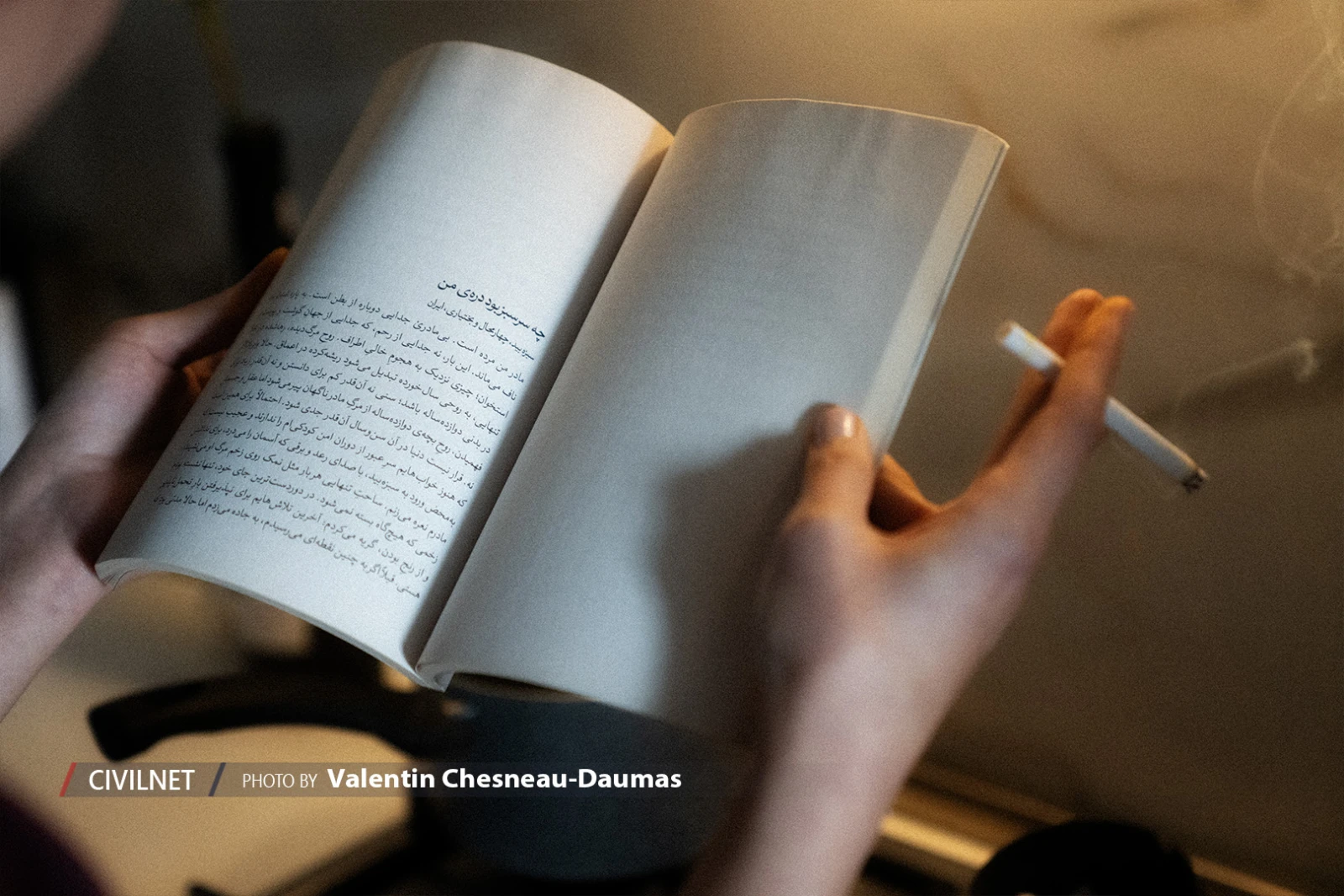
Leili opens the window of her apartment. The sky is grey, the air still carries the chill of March. She pauses for a cigarette before continuing.
“Imagine leaving everything behind,” she says. “You arrive in a country you barely know. You try to start over—make friends, find work—while constantly waiting for news from home. There’s no internet there. You don’t know if your family is safe. Has a bomb hit someone’s house? Has someone you love died?”
In Yerevan, Leili no longer wears a headscarf. She hums songs freely in the streets. She sits on a bench, lights a cigarette, unafraid. She admits she now drinks alcohol quite often.
And yet, for all three of them, Armenia is not the final destination. It is a bridge—toward the West.
For now, though, they have found a fragile sense of peace in this small, welcoming country.


 Stories