 Alexander Pracht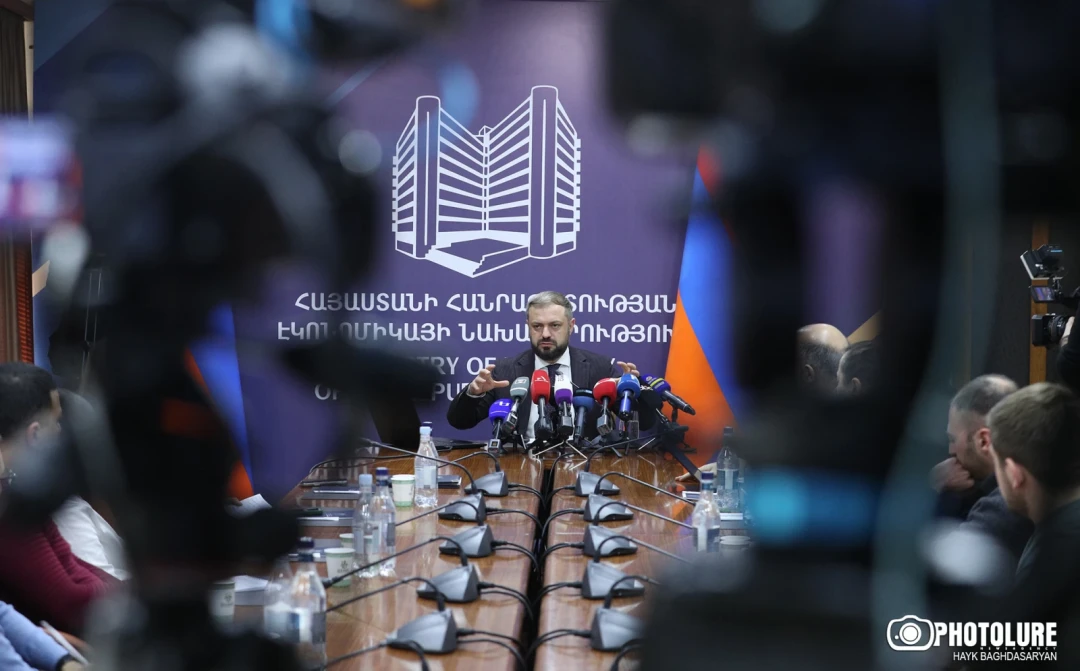
Armenia’s economy minister believes some political groups in Armenia deliberately compromise Russia’s reputation.
Gevorg Papoyan made the remarks in an interview with Armenia’s TV Channel 1 on Wednesday, when asked about reports that Russia could impose trade restrictions affecting Armenian products such as mineral water, brandy, and other goods.
He said Russia’s reputation in Armenia is being “tarnished by certain circles,” while problems faced by individual companies are often portrayed as political pressure.
“In many cases, when emotions are put aside, working directly with Russian partners helps resolve most issues,” Papoyan said.
He added that disagreements exist but should be addressed through talks.
“There are disagreements on certain issues, but we should sit down and work together, talk, negotiate and discuss,” he said. “Russia is one of our key economic partners, and we must continue to work with them,” Papoyan added.
The developments come amid renewed tensions in Armenia–Russia economic relations following a recent meeting between Prime Minister Nikol Pashinyan and Vladimir Putin, widely seen as strained as the two leaders exchanged provocative remarks.
Pashinyan told Putin that Armenia has zero restrictions on social media access and enjoys full internet freedom, contrasting with a recent tightening of internet controls in Russia, where most Western services are banned.
Also read: Putin warns on Armenian elections, EU shift
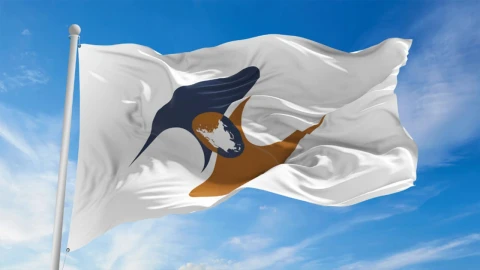
In response, Putin pointed to Armenia’s ambivalent foreign trade policy: while a member of the Russian-led Eurasian Economic Union, Yerevan last year declared aspirations to integrate with the European Union, which Moscow views as hostile. Putin said Armenia must choose between the two and reminded Pashinyan that the country benefits from discounted Russian gas, a key component of its energy mix, compared to the prices Russia charges European countries for the commodity.
Also read: Russia seeks ban on imports from major Armenian spirits producer
Russia has long used economic and energy pressure as leverage over Armenia’s policies, and following the meeting, stepped up scrutiny of Armenian imports. It also relaunched a years-long investigation into a deadly poisoning linked to Armenian mineral water.

 Stories